Overview
Understanding DFM-Optimized CNC Machined Plates
Are unoptimized CAD designs ballooning your production budgets and causing unexpected lead time delays? In modern packaging equipment, custom base plates, indexing beds, and structural side frames form the physical backbone of the entire machine. DFM-Optimized CNC Machined Plates for Packaging Machines bridge the gap between complex engineering concepts and cost-effective, high-precision manufacturing.
What is DFM in CNC Plate Milling?
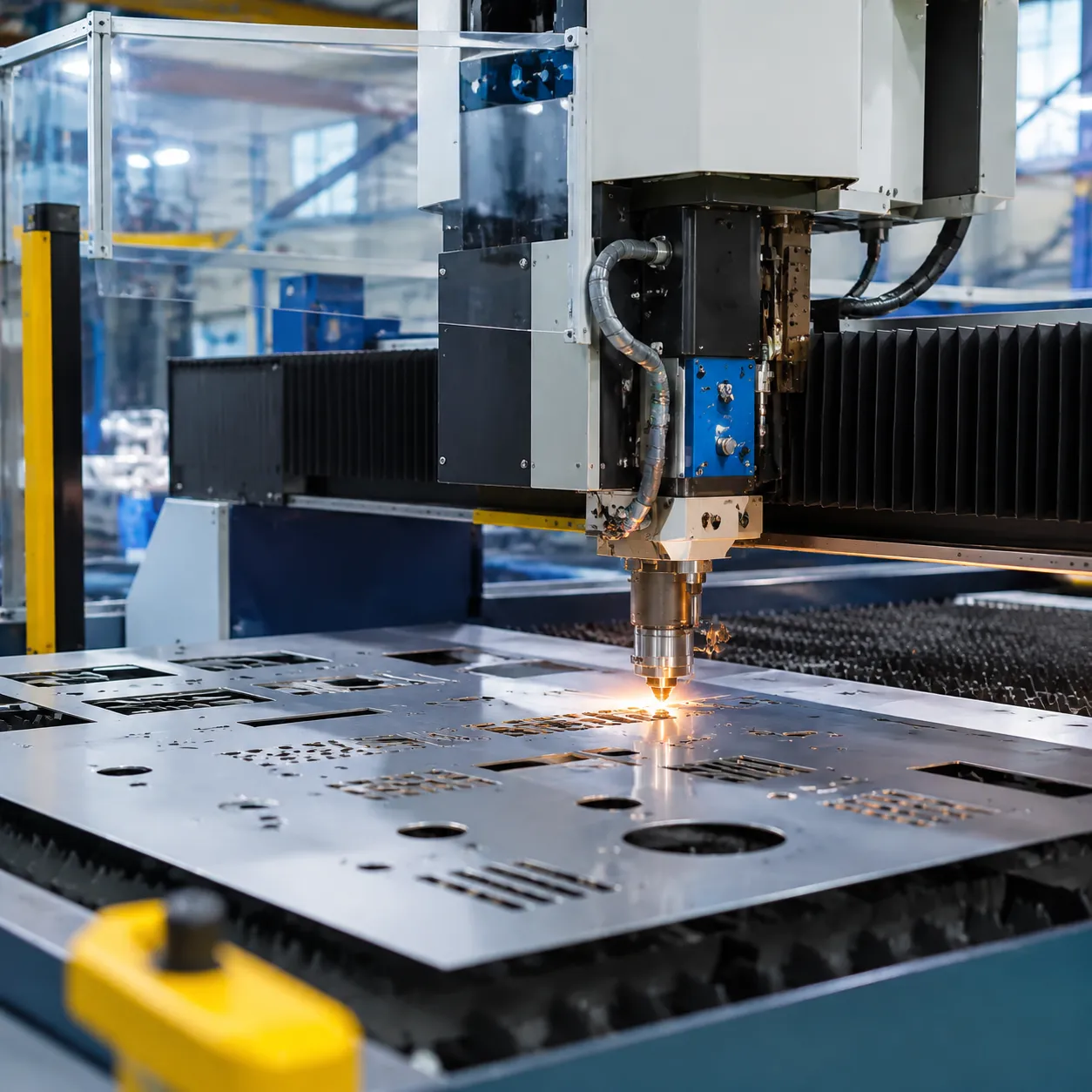
Design for Manufacturability (DFM) in plate milling is the process of engineering components to streamline DFM CNC machining without sacrificing dynamic performance. When we produce CNC machined plates for packaging machinery components, applying key DFM principles eliminates unnecessary tool swaps, minimizes setup re-orientations, and slashes material waste.
The Role of Precision CNC Plates in Packaging Machinery
High-speed packaging lines require absolute rigidity and precise alignment to maintain continuous operation. Custom precision machined plates serve crucial roles across the system:
- Structural Integrity: Supporting drive shafts, servomotors, and linear rails under heavy, continuous cyclic loads.
- Accurate Registration: Standardized dowel pin holes and mounting patterns ensure perfect alignment during assembly and field maintenance.
- Vibration Absorption: Flat, stress-relieved plate stock minimizes vibration, protecting delicate sensors and extend machine lifespan.
Unoptimized CAD vs. DFM-Ready Plate Designs
| Design Feature | Unoptimized CAD Design | DFM-Optimized Plate Design | Manufacturing Impact |
|---|---|---|---|
| Internal Corners | Sharp 90° square pocket corners | Radii sized to standard end mill cutters | Eliminates slow slotting or costly EDM processing |
| Pocket Depth | Deep pockets with thin walls (< 1.5 mm) | Balanced depth-to-width ratios with rigid walls | Prevents tool chatter, surface deflection, and part warping |
| Tolerances | Universal tight tolerances (+/- 0.005 mm) | Selective tight tolerances on critical bores only | Dramatically reduces cycle time and part scrap rates |
| Setup Operations | Features on 5+ sides requiring multiple setups | Features consolidated for single-setup top machining | Reduces manual labor and eliminates stack-up alignment errors |
Major Cost Drivers in Packaging Machine Plate Machining
Unplanned machining costs for CNC packaging machine plates usually stem from design choices that ignore practical mill constraints. Identifying where machine hours and tool wear accumulate lets us eliminate waste before raw material hits the vise.
Excess Raw Material Removal
- Stock Sizing: Specifying non-standard plate thicknesses forces us to fly-cut entire faces down to size, increasing cycle times and generating excess scrap.
- High Removal Ratios: Milling massive deep pockets out of solid block stock drastically reduces material removal efficiency compared to starting with optimized near-net plate dimensions.
Deep Pockets and Tight Corner Radii
- Tool Deflection: Milling cavity depths greater than four times the cutter diameter requires reduced feed rates to avoid chatter, surface finish degradation, and tool breakage.
- Small Internal Corners: Sharp inside corners prevent larger, rigid roughing end mills from clearing material quickly, forcing time-consuming finishing passes with tiny cutters.
Over-Engineered Specs and Complex Setups
Unnecessary design complexity drives up machine setup time and labor costs on custom packaging components.
| Machining Cost Driver | Production Impact | DFM Optimization Strategy |
|---|---|---|
| Tight Tolerances | Requires extra finishing passes and slower cutting feeds | Apply tight tolerances only to critical bearing locations; keep non-critical plate features at standard machining tolerances |
| Custom Threads | Demands specialized tooling and custom thread milling routines | Standardize callouts to standard thread sizes and off-the-shelf fasteners |
| Multi-Axis Setups | Part re-orientations increase labor hours and tolerance stacking risks | Design flat base plates for single-setup clamping or streamlined 3 and 2-axis machine setups |
Addressing these core cost drivers during early component design keeps unit costs low while ensuring high-precision fit and function for custom packaging mounts and brackets.
DFM Design Guidelines for Precision CNC Plates
Applying smart Design for Manufacturability (DFM) rules turns complex CAD models into cost-effective DFM-optimized CNC machined plates for packaging machines. We focus on critical geometric tweaks that slash cycle times and extend tool life without compromising structural performance.
Standardizing Internal Corner Radii
Sharp 90-degree internal pocket corners force machine stops or require costly wire EDM work. Matching pocket geometries to standard cutting tools keeps milling continuous and fast.
- Tool Radius Clearance: Design internal corner radii at least 10% to 15% larger than the tool radius (e.g., use a 3.5 mm radius for a 6 mm end mill). This allows the tool to turn smoothly without grinding into corners or chatter-inducing stress.
- Corner Reliefs: For square mating parts, add corner relief holes ("dog-bones" or T-bone cuts) so standard end mills can clear the path without requiring secondary operations.
Optimizing Wall Thickness and Pocket Ratios
Excessively thin walls vibrate under high cutting speeds, causing poor surface finishes and dimensional warping.
- Aluminum Plates: Keep minimum wall thickness to at least 1.5 mm to maintain stability during precision aluminum plate milling.
- Stainless Steel Plates: Maintain at least 2.5 mm wall thickness to handle higher cutting forces.
- Depth-to-Width Ratios: Limit cavity depth to less than 4 times the tool diameter to prevent tool deflection and rough floor finishes.
Quick Reference DFM Guidelines for Packaging Components
| Plate Feature | DFM Best Practice | Production Benefit |
|---|---|---|
| Internal Corners | Radius > 110% of standard cutter radius | Prevents tool chatter and enables high-speed milling |
| Wall Thickness | ≥ 1.5 mm (Aluminum) / ≥ 2.5 mm (Steel) | Prevents part distortion and chatter marks |
| Tapped Holes | Thread depth ≤ 2x hole diameter | Avoids tap breakage and standardizes tooling |
| Machining Setups | Feature alignment on a single plane | Cuts setup costs and improves multi-part accuracy |
Streamlining Threads and Single-Setup Clamping
Re-clamping parts across multiple angles increases labor costs and introduces stacking tolerances. Designing packaging machine components for a single setup preserves tight geometric relationships across critical mounting points.
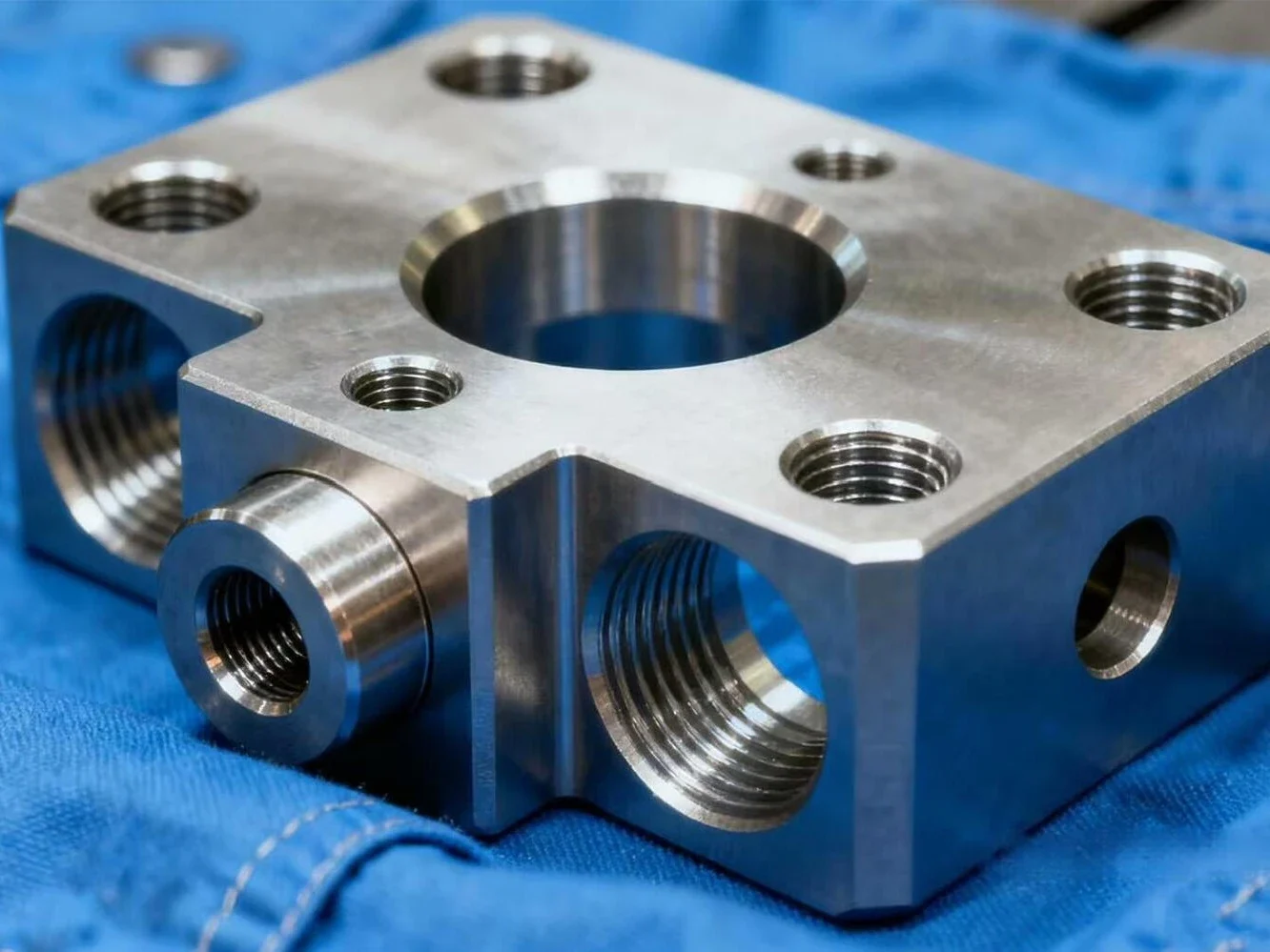
- Standardized Callouts: Use standard thread sizes (such as M4, M6, or M8) and cap thread depths at twice the nominal bolt diameter.
- Unified Counterbores: Keep counterbore sizes uniform across the plate so the machine can run a single tool path without unnecessary tool changes.
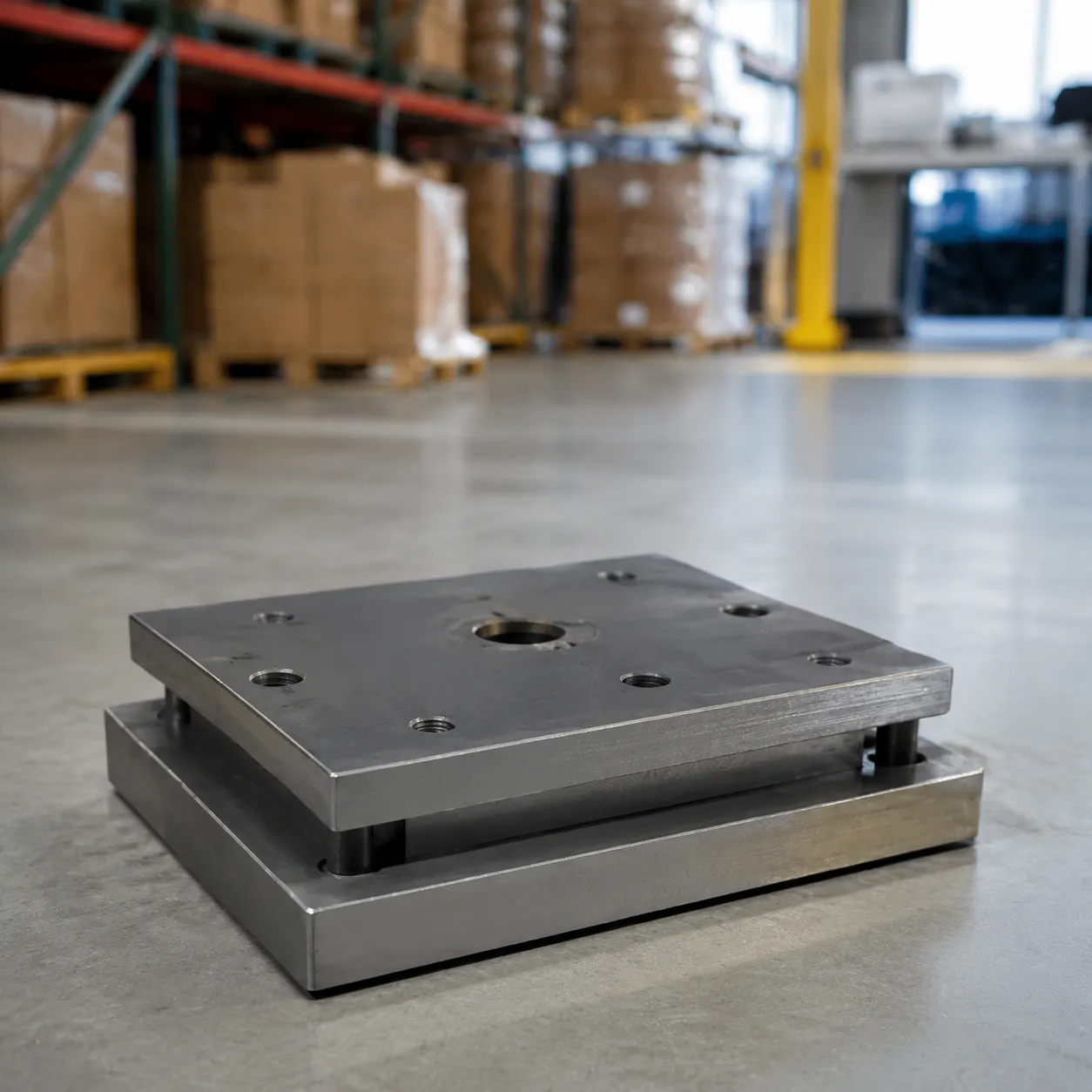
- Single-Pass Fixturing: Keep key mounting pockets, dowel alignment holes, and reference edges on the main face. Designing components like precision locator plates for packaging machine assemblies with dedicated fixturing tabs allows fast, accurate alignment during high-volume batch CNC machining.
Material Selection for Packaging Machinery Plates
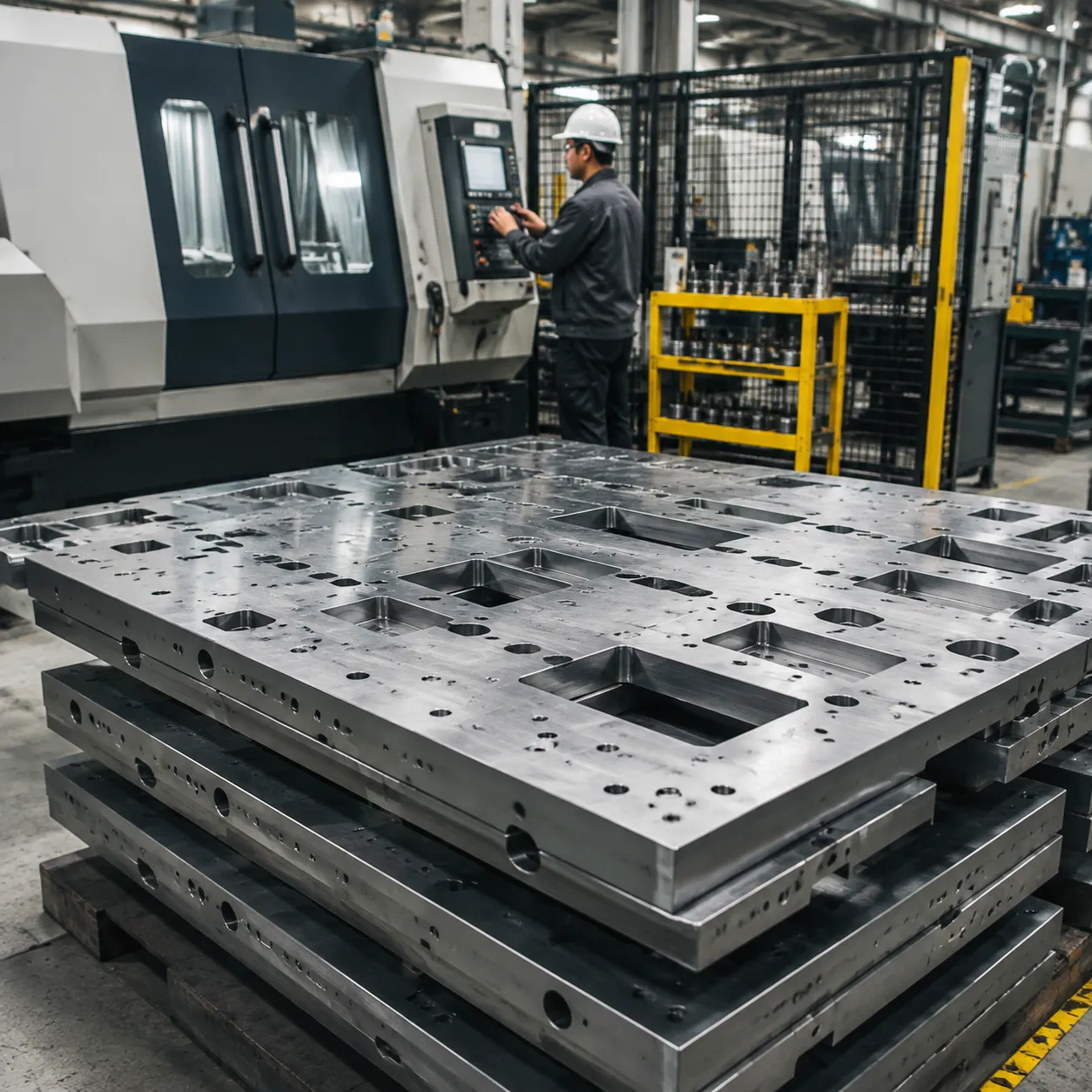
Choosing the right alloy for DFM-optimized CNC machined plates for packaging machines balances high-speed cycle rates, thermal performance, corrosion resistance, and overall manufacturing cost.
Aluminum Alloys for Lightweight Speed and Thermal Control
- 6061-T6 Aluminum: Offers outstanding machinability, light weight, and excellent thermal conductivity. It is our top choice for general aluminum machine plates, heat-sealing mounting bars, and high-speed reciprocating components.
- 7075-T6 Aluminum: Delivers strength comparable to structural steel with a fraction of the weight. Ideal for high-stress packaging machine components that endure continuous dynamic loads.
Stainless Steel for Washdown and Sanitary Environments
- 304 Stainless Steel Plates: Excellent corrosion resistance for standard washdown packaging machinery, structural frames, and non-contact mounting beds.
- 316L Stainless Steel: Higher molybdenum content provides maximum resistance to aggressive chemical washdowns, harsh salts, and acidic foods in liquid filling and food-grade packaging lines.
Carbon and Tool Steels for Heavy Structural Plates
- 1045 / A36 Carbon Steel: Delivers maximum rigidity, vibration damping, and mass for heavy-duty custom mounting plates and structural machine bases.
- A2 / D2 Tool Steel: Exceptional hardness and abrasion resistance for high-wear indexing plates, positioning beds, and hardened mounting surfaces.
Surface Treatments and Corrosion Resistance
| Finish Type | Compatible Materials | Ideal Packaging Application | Main Engineering Benefit |
|---|---|---|---|
| Type II & III Anodizing | Aluminum Alloys | Conveyor guide plates & frames | Corrosion protection, high surface hardness, friction reduction |
| Electropolishing | 304 / 316L Stainless Steel | Sanitary food-contact plates | Micro-smooth finish, prevents bacterial buildup, easy cleaning |
| Electroless Nickel Plating | Carbon & Tool Steel | Drive housings & structural beds | Uniform plating thickness, strong wear and rust protection |
Matching the raw material and surface treatment early in the design stage ensures lower manufacturing costs and reliable production through our one-stop CNC sourcing for packaging machinery.
Applications for DFM-Optimized CNC Machined Plates in Packaging Machines
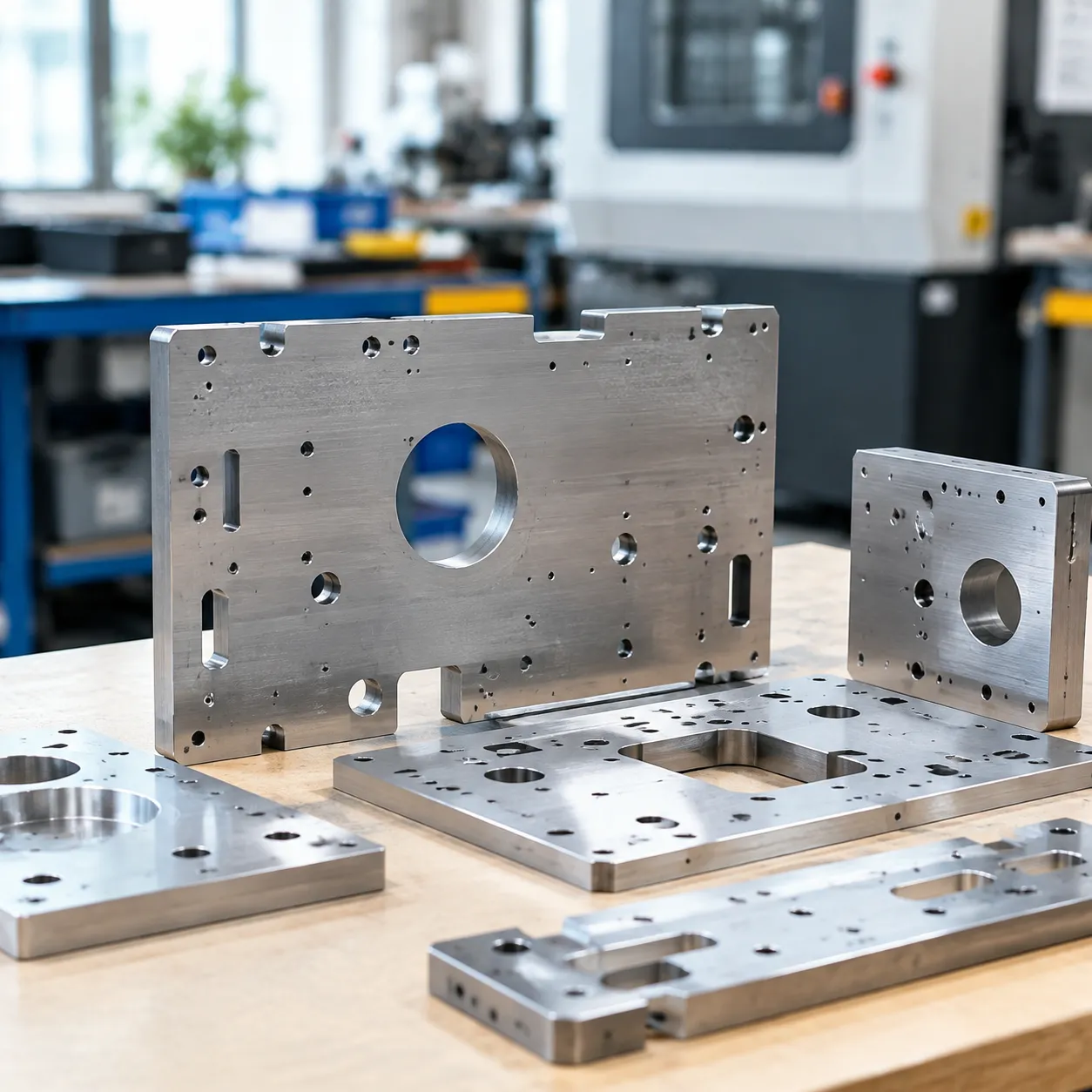
We supply high-precision, DFM-optimized CNC machined plates tailored to the demanding operating environments of automated packaging machinery. Our design refinements ensure these critical packaging machine components deliver high structural stiffness, minimal weight, and fast assembly.
VFFS Machinery Structural Plates
- Reduced Vibration: Optimized pocketing cuts down mass without sacrificing frame rigidity in high-speed Vertical Form Fill Seal (VFFS) systems.
- Alignment Accuracy: Single-setup milling guarantees strict parallelism and hole alignment for drive shafts and film-pull assemblies.
Robotic End Effectors and Vacuum Manifold Plates
- Lightweight Dynamics: We optimize wall thicknesses to reduce end-of-arm tooling (EOAT) payload weight, allowing pick-and-place robots to cycle faster with less motor strain.
- Integrated Fluidics: Milled internal vacuum channels eliminate complex external tubing while maintaining airtight seals for pouch and carton handling.
Conveyor Indexing Beds and Heat-Sealing Bar Mounting Plates
- Flatness Control: Stress-relief milling techniques prevent warping, keeping conveyor beds flat across long production runs.
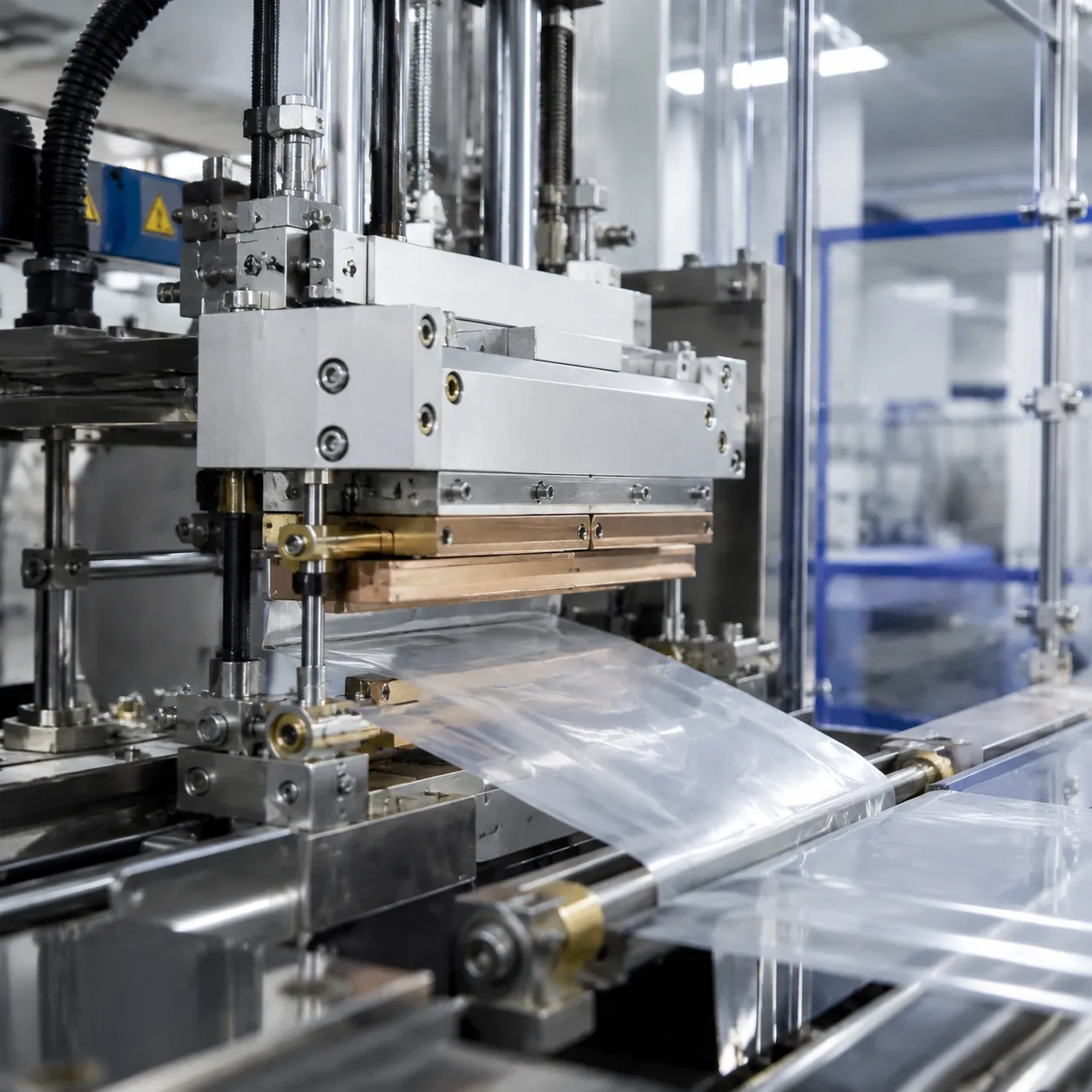
- Thermal Stability: We manufacture rigid base platforms designed to pair directly with sealing jaws and heat plates for packaging machines, guaranteeing uniform clamping pressure and reliable seal integrity.
Frequently Asked Questions About DFM CNC Packaging Plates
How much can DFM optimization reduce packaging plate manufacturing costs?
Applying DFM for CNC machining typically slashes production costs by 30% to 50% per plate. By matching internal corner radii to standard end mill cutters, relaxing non-critical tolerances, and enabling single-setup clamping, machining time drops dramatically while overall yield rates improve.
What aluminum grade works best for food contact packaging machine plates?
Aluminum 6061-T6 offers the best balance of machinability, strength, and weight reduction for packaging machinery components. For general mounting beds and frames, custom 6061-T6 aluminum CNC parts for packaging machines deliver high precision at a controlled cost. For strict washdown environments requiring chemical wear resistance, specifying hard anodized 6061 aluminum parts for packaging machines provides a durable, easy-to-clean protective surface.
Why are sharp internal square pockets expensive to CNC mill?
Rotary CNC tools leave a natural radius in internal corners. Forcing sharp 90-degree internal pockets requires specialized secondary operations like Electrical Discharge Machining (EDM) or complex corner reliefs. Standardizing corner radii to exceed standard end mill cutter radii allows us to mill deep pockets in a single continuous pass.
Can DFM tweaks be made to existing packaging machinery CAD files?
Yes. We frequently audit existing OEM CAD models to identify cost-saving adjustments before production. Simple updates—such as opening pocket radii, unifying thread callouts, and refining wall thicknesses—are incorporated directly into the design without altering the plate's structural fit, form, or functional performance.