zscncpack.com

How Electropolishing Changes Filling Valve Surface Finish

Learn how electropolishing improves filling valve surface finish by reducing Ra removing peaks and meeting sanitary standards

Electropolishing Stainless Steel Filling Valves

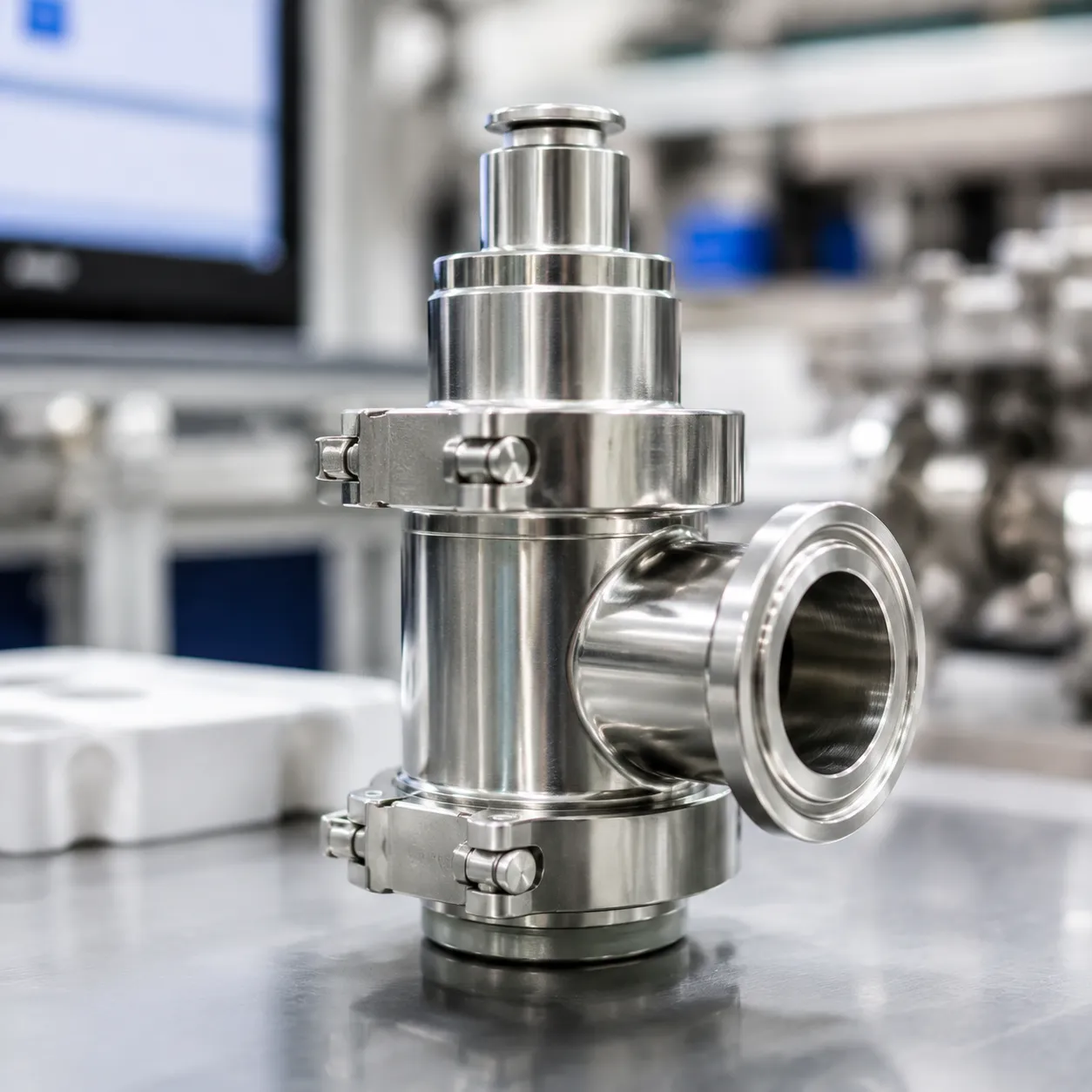
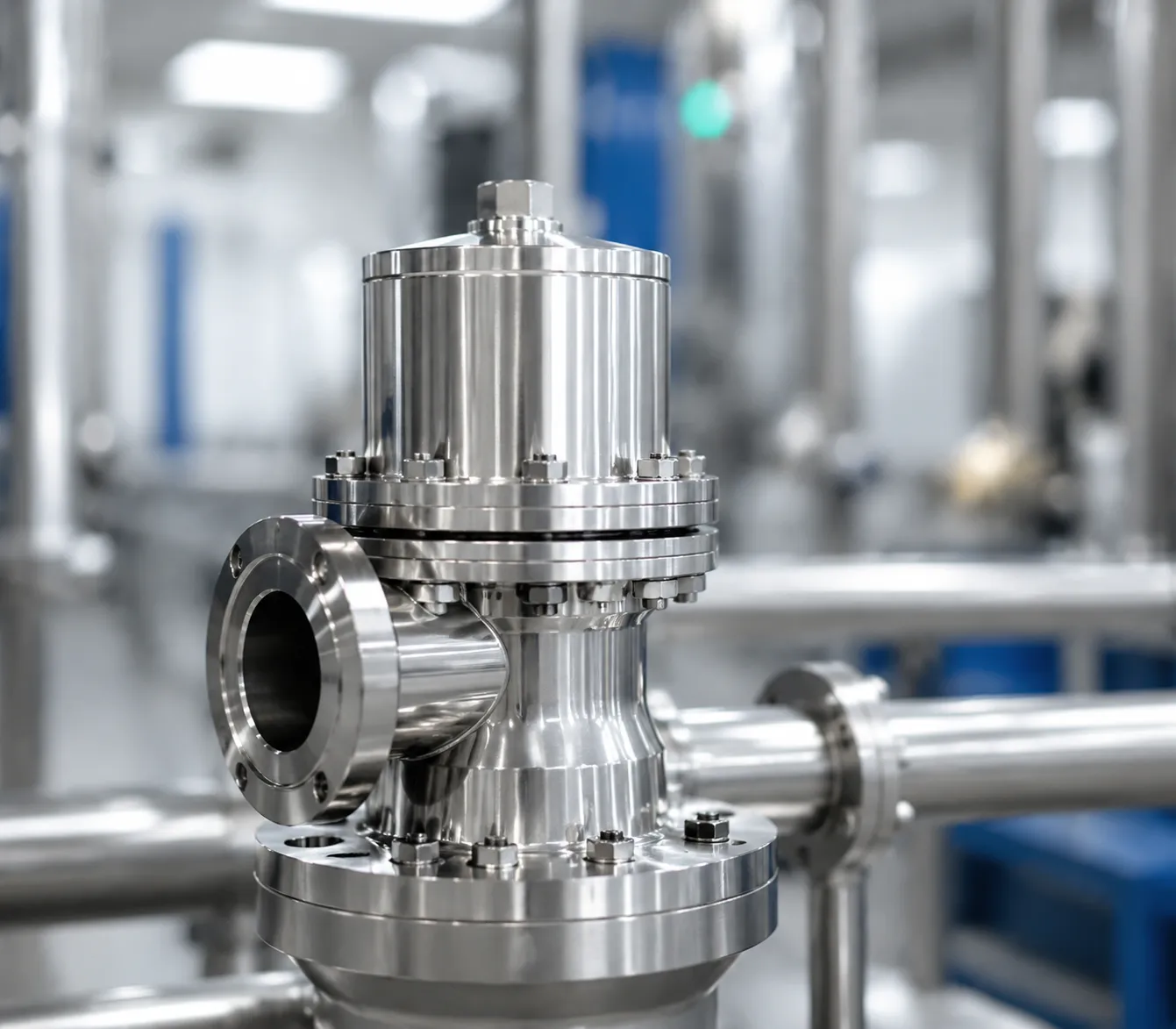
We utilize advanced electropolishing to transform standard 316L stainless steel filling valves into ultra-hygienic, high-performance fluid handling components. By converting raw CNC-machined surfaces into smooth, mirror-like finishes, we ensure maximum purity and operational efficiency for sanitary liquid filling lines.

Electrochemical Erosion Mechanics

The electropolishing process operates as controlled reverse electroplating. We submerge the valve body into a temperature-regulated electrolyte bath and apply a direct electrical current:

    • Anodic Dissolution: The stainless steel valve acts as the anode, triggering precise surface erosion at the molecular level.
    • Targeted Removal: The acid electrolyte selectively strips surface iron and microscopic impurities.
    • Stress-Free Finishing: The process eliminates surface defects without inducing thermal or mechanical stress on valve components.

Micro-Peak Removal Dynamics

Electropolishing achieves superior smoothness by leveraging varying electrical current densities across the metal's surface topography:

Surface FeatureCurrent DensityErosion RateSurface Impact
Microscopic PeaksHigh ConcentrationAccelerated DissolutionRapidly flattens high spots
Microscopic ValleysLow ConcentrationMinimal DissolutionPreserves baseline geometry

Because electrical current naturally concentrates on sharp high points, microscopic peaks dissolve exponentially faster than the surrounding valleys, flattening the surface profile evenly.

Achieving a Mirror-Like Surface Finish

By leveling micro-peaks and clearing surface contaminants, we achieve a ultra-clean, high-luster surface finish:

    • Surface Roughness Reduction: Lowers overall Ra values to stringent sanitary standards.
    • Optical Polish: Eliminates surface opacity, producing a clean, reflective mirror finish.
    • Hygienic Surface: Creates a smooth boundary layer that minimizes product drag, fluid turbulence, and bacterial adhesion.

Micro-Smoothing and Reducing Ra Surface Roughness

When we electropolish sanitary filling valves, the primary goal is driving down the surface roughness average (Ra) to ultra-hygienic levels. Through our specialized surface finishing capabilities, the electropolishing process consistently reduces Ra values by up to 50 percent compared to standard mechanical machining alone.

Visualizing the Surface Profile Change

Standard CNC machining leaves behind microscopic peaks and valleys on the metal boundary. Electropolishing levels these irregularities without introducing mechanical stress or microscopic abrasion.

    • Before Electropolishing: Micro-peaks, sharp torn metal edges, and deep valleys that trap fluid product residues. Typical raw machined Ra values sit around 0.8 µm (32 µin) or higher.
    • After Electropolishing: Smooth, wave-like micro-contours with peak heights leveled. Ra values drop sharply below 0.38 µm (15 µin), delivering a clean, mirror-like profile across all internal fluid passages.

Eliminating Friction in High-Velocity Liquid Passages

Smoother surface geometry directly improves valve hydraulics and operational performance during high-speed bottling or packaging cycles:

    • Lower Fluid Drag: Smoother internal passages minimize boundary-layer friction during high-velocity liquid discharge.
    • Consistent Flow Rates: Reduced surface drag cuts turbulence, preserving dosing accuracy and preventing product foaming or splashing.
    • Extended Seal Life: Lowering surface friction reduces abrasive shear on elastomeric seals and seats, extending the service life of critical valve assemblies.

Removing Micro-Burrs and Crevices in Valve Bodies

Electropolishing Filling Valve Surface Finish

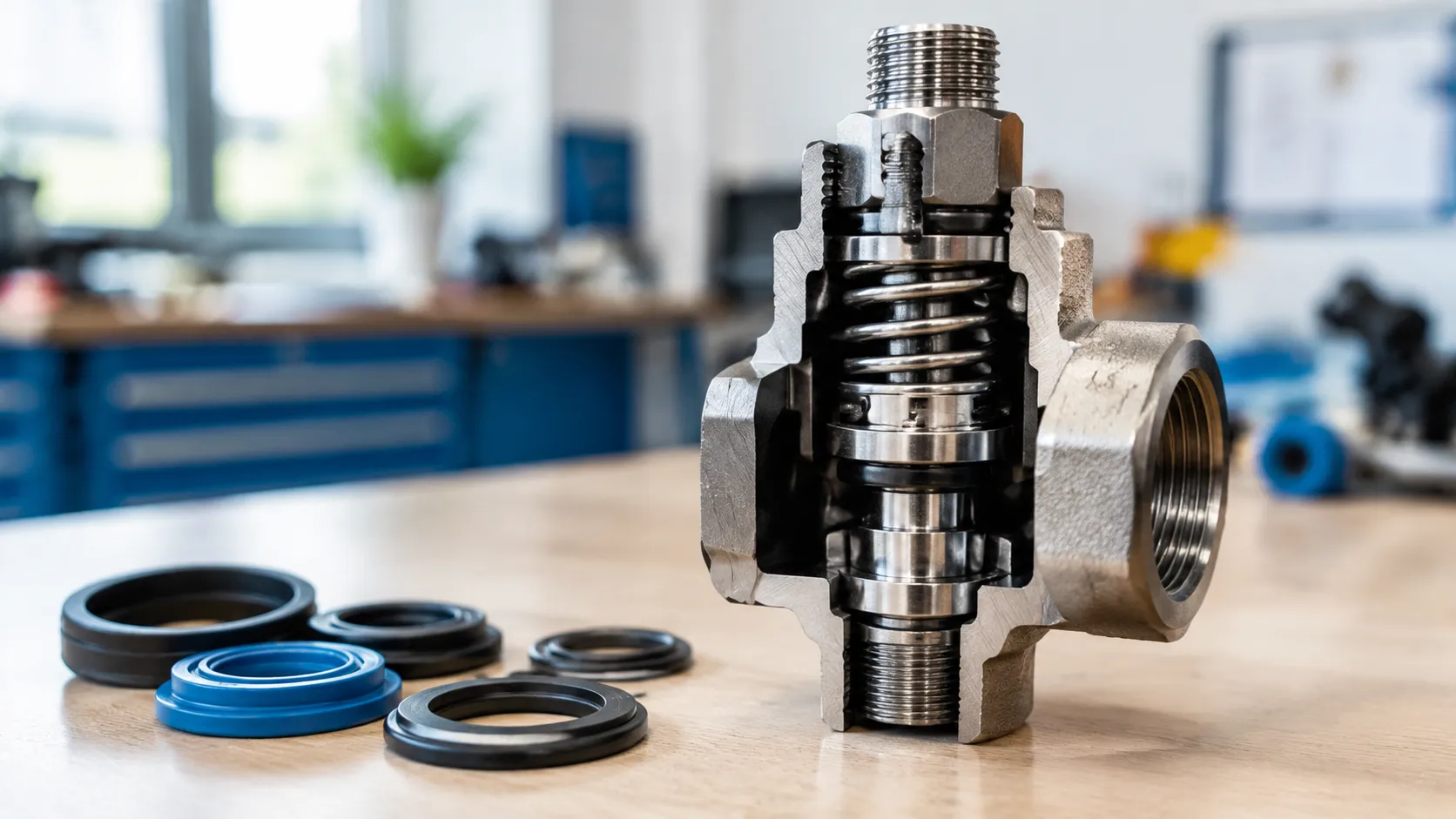
Even high-precision machining leaves microscopic metal burrs and sharp edges along internal valve channels. When we subject a CNC machined valve body to electropolishing, the electrochemical bath selectively dissolves these high-stress points first. It strips away razor-thin metal overhangs that standard mechanical tools simply cannot reach.

Eliminating Bacterial Harborage Points

Standard mechanical grinding often smears metal over tiny surface voids, creating microscopic traps where product residue collects. Electropolishing strips away this compromised layer to reveal clean, undisturbed metal.

    • Sealing micro-voids: Dissolves loose surface inclusions to prevent bacterial adhesion and cross-contamination.
    • Flawless seal seating: Smooths out critical contact zones, which pairs directly with optimized drainage and seal lands to maintain hygienic integrity across liquid filler lines.

Protecting Liquid Dynamics and Seal Integrity

Rough internal passages create unnecessary friction and wear down moving components during high-velocity filling cycles.

Area of ImpactStandard Machined FinishElectropolished Finish
Fluid FlowMicro-burrs cause liquid turbulence and micro-foamingUniform surface profile ensures smooth, laminar fluid passage
Gasket WearSharp edges abrade soft elastomers and O-ringsRounded micro-contours extend mechanical seal lifespan
MaintenanceRequires frequent teardowns to replace worn sealsMinimizes line downtime and seal replacement frequency

316L Stainless Steel Passivation

Standard machining leaves raw free iron on metal surfaces, creating instant vulnerability to pitting and rust. We use electropolishing to solve this chemical flaw directly at the atomic level.

During the electrochemical bath, the process selectively strips surface iron atoms from high-purity electropolished 316L filling valve bodies. This leaves behind a heavily concentrated layer of chromium and nickel on the exposed metal skin. When exposed to air or oxidizing rinses, this surface instantly forms an ultra-dense, chromium-rich passive oxide film that seals the substrate.

    • Higher Chromium-to-Iron Ratio: Boosts the surface Cr/Fe ratio well beyond standard 1.5:1 standards (compared to roughly 0.5:1 on untreated raw steel).
    • CIP Chemical Protection: Halts pitting and crevice corrosion caused by aggressive caustic soda, nitric acid, and harsh sterilization agents.
    • Long-Term Surface Integrity: Keeps valve seats smooth and leak-free even under high-speed thermal cycles and repeated daily acid washdowns.

By understanding how electropolishing changes filling valve surface finish chemistry, we ensure your liquid bottling equipment withstands aggressive liquid environments without shedding metal ions or causing premature batch contamination.

Clean-in-Place CIP Efficiency

Electropolished CIP filling valve surface finish

Electropolishing fundamentally alters how a sanitary filling valve surface finish interacts with cleaning agents during automated sanitation runs. By significantly lowering surface energy and micro-smoothing the metal, we create a non-stick boundary that limits bacterial adhesion control issues and prevents stubborn biofilm formation.

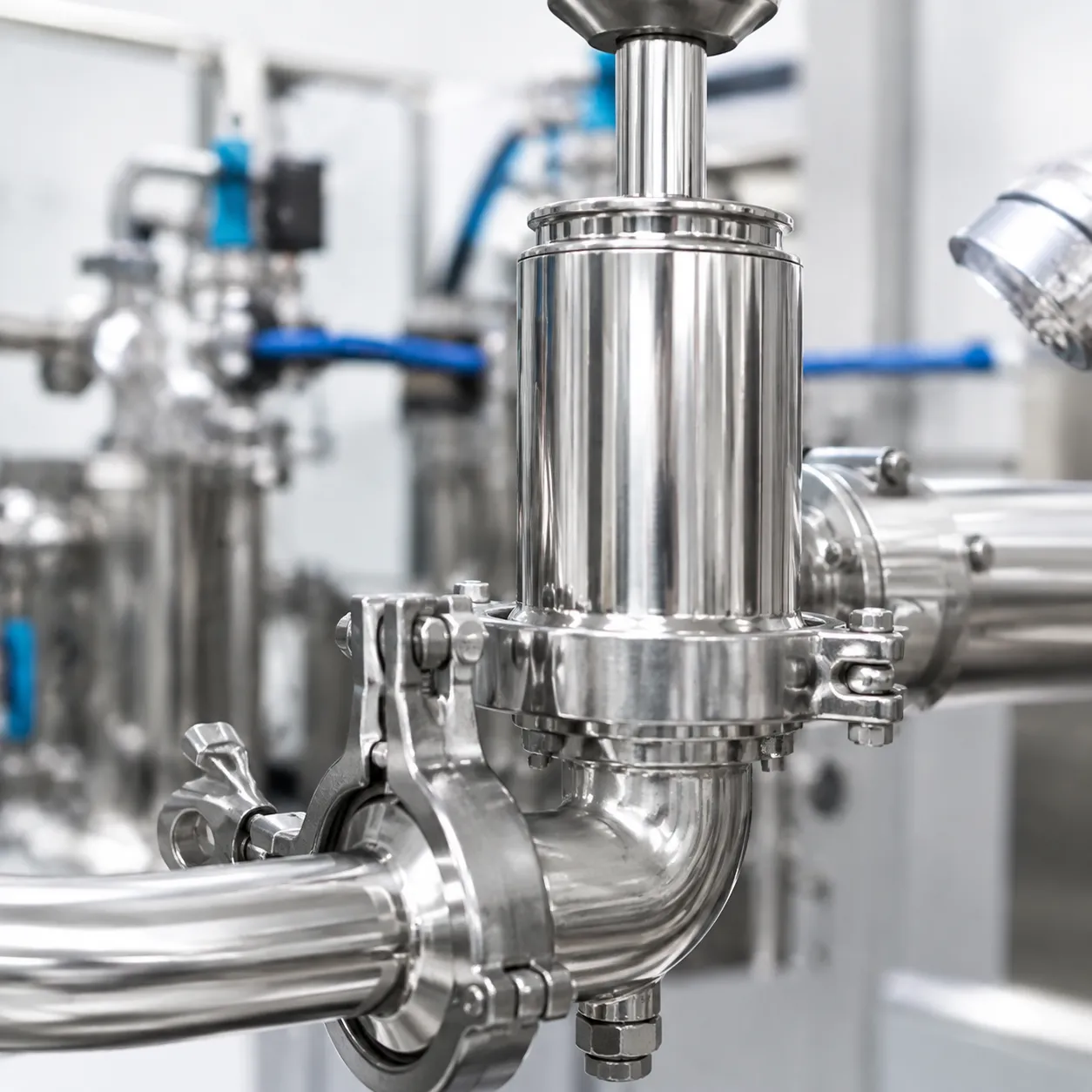
When working alongside equipment like custom 316L CIP spray balls, an electropolished filling valve allows wash solutions to sheet off evenly, stripping away stubborn organic residue without getting trapped in surface micro-voids.

Key CIP and SIP Performance Advantages

    • Preventing Biofilm Growth: Lower surface energy stops proteins, sugars, and active ingredients from anchoring to the metal wall.
    • Shorter Cycle Times: Rinse water and caustic washes clean contact surfaces faster, directly cutting down wash cycle durations, wastewater generation, and chemical expenditures.
    • Eliminating Cross-Contamination: Smooth liquid pathways ensure complete product flushing between batches, preventing flavor transfer or microbial carryover on continuous filling lines.
    • Hygienic Flow Continuity: Pairing treated valve bodies with custom 316L filling nozzles maintains a clean, sterile product path throughout high-speed production runs.
Performance MetricMachined Stainless FinishElectropolished Sanitary Finish
Surface EnergyHigh (Promotes residue adhesion)Very Low (Promotes rapid draining)
CIP Wash DurationStandard baseline timeUp to 40% faster cleaning cycles
Rinse Water UsageHigh volume needed to flush pitsSignificantly reduced water consumption
Bacterial RetentionModerate to High risk in micro-pitsMinimal risk with seamless passivation

By stripping away microscopic traps, electropolishing transforms hygienic fluid handling components into self-clearing surfaces that maintain strict sanitary standards and protect product integrity.

Electropolishing vs Mechanical Polishing

When refining a sanitary filling valve surface finish, mechanical polishing is often the first method operators consider. However, mechanical grinding and buffing rely on abrasive forces that generate heat and physical pressure. This mechanical action smears the outer metal layer—creating a distorted zone known as the Beilby layer—which can fold over micro-voids and trap abrasive grit beneath the surface.

In contrast, comparing electrochemical vs mechanical polishing reveals fundamental structural differences:

    • Eliminating Smeared Metal: Electropolishing dissolves surface metal atom-by-atom in an electrolyte bath, completely removing the cold-worked Beilby layer.
    • Exposing True Metal Structure: It reveals the clean, undisturbed crystalline grain structure of the underlying 316L stainless steel.
    • Stress-Free Processing: Without mechanical drag or friction, the valve body remains free of induced surface stress and microscopic micro-cracks.

Combining Buffing and Electropolishing for Peak Smoothness

For critical hygienic applications, we often combine both techniques to reach optimal smoothness. We use initial mechanical buffing to level major tool marks and reduce macro-roughness, then apply electropolishing stainless steel treatments to strip away smeared material, round off microscopic crests, and passivate the metal.

FeatureMechanical PolishingElectropolishing
Surface ActionAbrades and smears outer metal layerElectrochemically dissolves surface peaks
Surface MicrostructureDistorted Beilby layer with potential foldsPure, undisturbed crystalline structure
Contaminant RiskMay embed abrasive compoundsRemoves embedded iron and contaminants
Sanitary PerformanceSmooth appearance, hidden micro-voidsUltra-smooth, non-stick, hygienic surface

This multi-step approach ensures your electropolished filling valve achieves the lowest possible surface energy and maximum corrosion resistance.

Valve Electropolishing FAQ

We get plenty of practical questions from plant engineers asking how electropolishing stainless steel affects their daily production line components. Here are direct answers to the most common queries regarding sanitary filling valve surface finish quality and maintenance.

Dimensional Tolerances

Does electropolishing alter critical dimensional tolerances on filling valves?

Electropolishing removes a tiny, controlled layer of metal—typically 0.0002 to 0.0005 inches (5 to 12.5 microns).

    • Predictable removal: Because the material loss is uniform across the entire surface, we factor this removal depth directly into our initial machining plans.
    • Tight fits: Threads, sealing surfaces, and critical seats maintain their exact specifications when engineered with electropolishing in mind.
    • Consistency: Unlike manual mechanical grinding, electrochemical treatment strips metal evenly, preventing localized thin spots on high-precision 316L valve bodies for sanitary control.

Sanitary Ra Finish Standards

What Ra surface finish is required for sanitary liquid filling applications?

The baseline requirement for standard hygienic processing lines is a surface roughness (Ra value) of 32 microinches (0.8 µm) or better, though high-purity filling often demands stricter finish levels.

Application TypeRequired Ra ValueTypical Surface Treatment
Standard Food & Beverage≤ 32 Ra µin (0.8 µm)Mechanical Polish or EP
High-Purity Hygienic Filling≤ 20 Ra µin (0.5 µm)Electropolished 316L Stainless Steel
Ultra-Sterile & Pharma≤ 15 Ra µin (0.38 µm)Mechanical Pre-Polish + Electropolish

Electropolishing routinely cuts the starting Ra surface roughness by up to 50%, effortlessly pushing machined valve components well within ultra-hygienic compliance limits.

Fixing Scratches and Machining Marks

Can electropolishing fix deep scratches or heavy machining marks on valve seats?

No. Electropolishing is a micro-smoothing surface finish process designed to strip micro-peaks, not a heavy stock-removal method.

    • Macro-flaws remain: Deep tool marks, gouges, or severe scratches will simply be smoothed around the edges, leaving behind a shiny, rounded depression rather than a flat sealing plane.
    • The fix: We always mechanically blend or polish heavy CNC machining marks first. Once the macro-geometry is smooth, electropolishing delivers the final micro-peak removal, maximum cleanability, and enhanced corrosion resistance.
Scroll to Top