Overview
Understanding Pet Food Extruder Die Plates
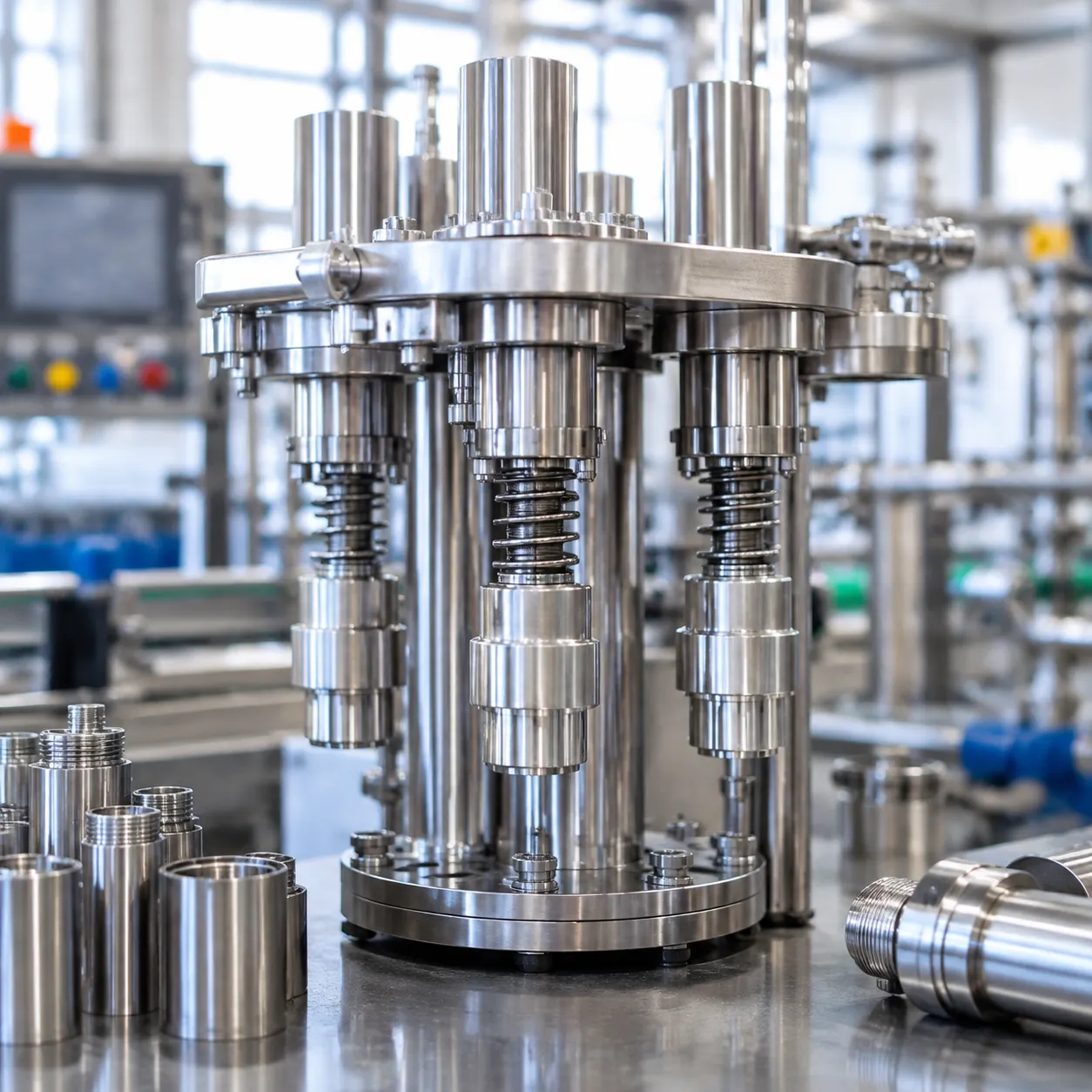
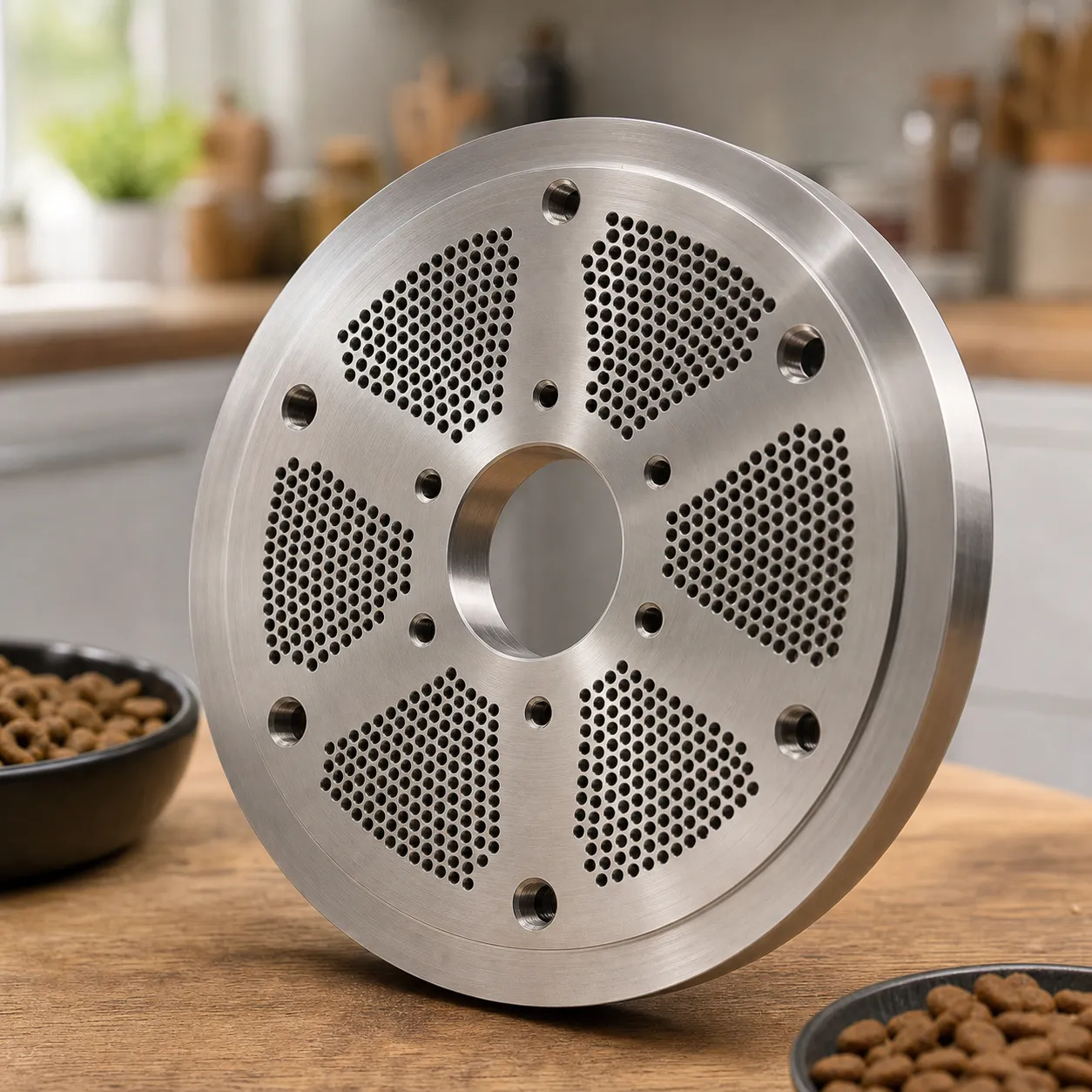
Pet food extruder die plates are high-precision engineered tools positioned at the discharge end of the extrusion system. As Custom CNC Machined components, these plates act as the definitive shaping interface that transforms cooked, pressurized starch and protein formulations into uniform, finished feeds.
Role of Die Plates in Pet Food Processing
In modern processing lines, die plates perform essential functions to maintain process stability:
Pressure Maintenance: Create necessary backpressure within the extruder barrel to ensure thorough cooking and starch gelatinization.
Melt Stream Distribution: Divert the pressurized melt evenly across all discharge orifices to guarantee equal flow velocity.
Pre-Cutting Profiling: Pre-form the cooked dough right before it reaches the rotating knife assembly for accurate sizing.
How Die Plates Control Kibble Shape and Texture
The orifice engineering within custom extrusion dies directly governs the physical properties of the final product:
Kibble Shape Consistency: Precise CNC tooling eliminates orifice variances, yielding identical shapes across every production batch.
Density and Expansion Control: The sudden pressure drop as the melt exits the die hole causes controlled moisture flashing. Precision hole dimensions dictate this expansion rate, directly setting bulk density and texture crunchiness.
Common Die Plate Materials: Carbide vs Stainless Steel
Choosing the right material balances initial tooling costs with long-term wear resistance:
| Material Type | Key Properties | Ideal Application |
|---|---|---|
| Carbide Die Plates | Extreme hardness, maximum resistance to abrasive slurries, and extended operational lifespan. | Continuous high-volume production using abrasive bone meal or high-mineral recipes. |
| Stainless Steel | Excellent corrosion resistance, food-safe hygiene compliance, and cost-effective precision machining. | Standard dry kibble recipes, high-moisture extrusion, and frequent shape changes. |
Key Advantages of Custom CNC Machined Die Plates
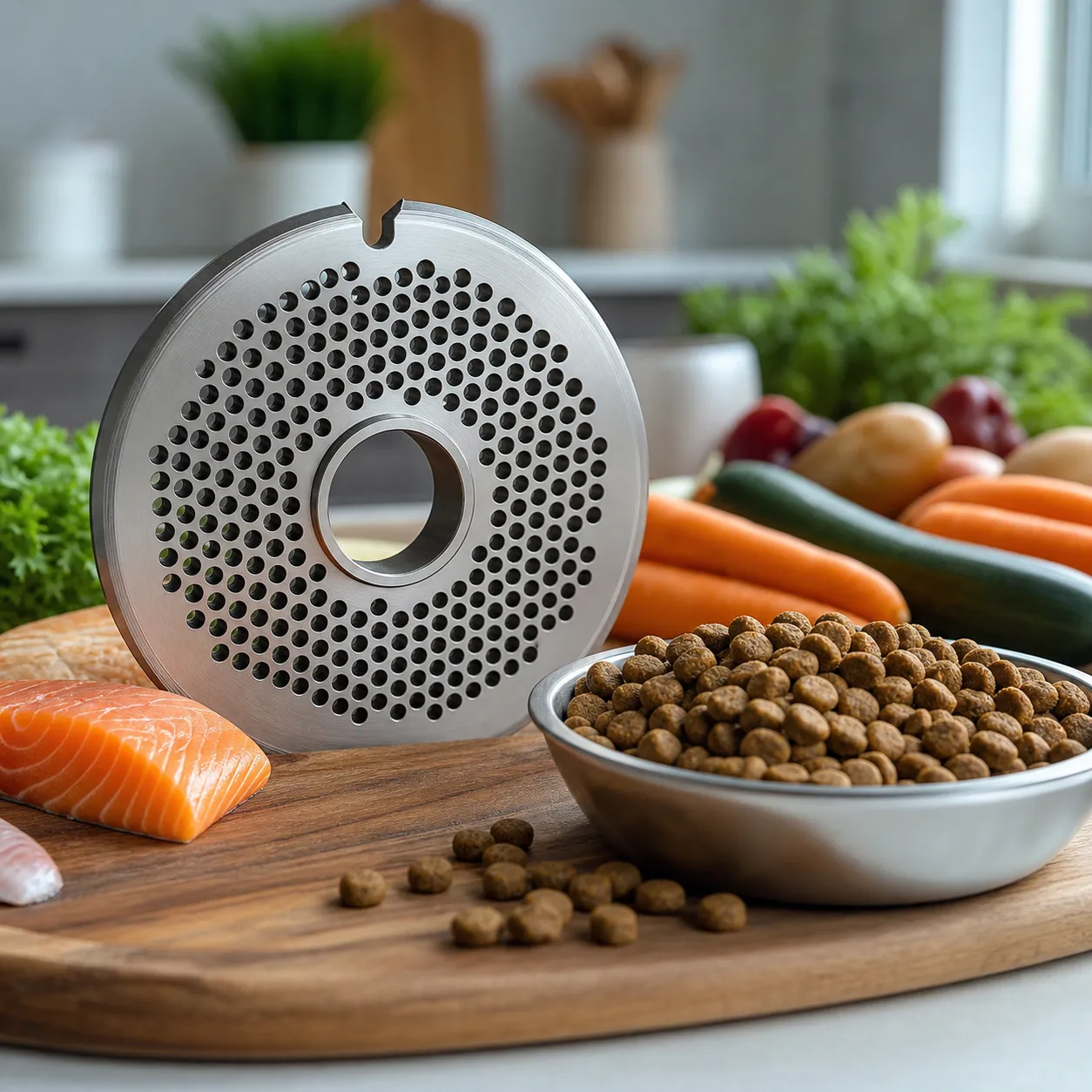
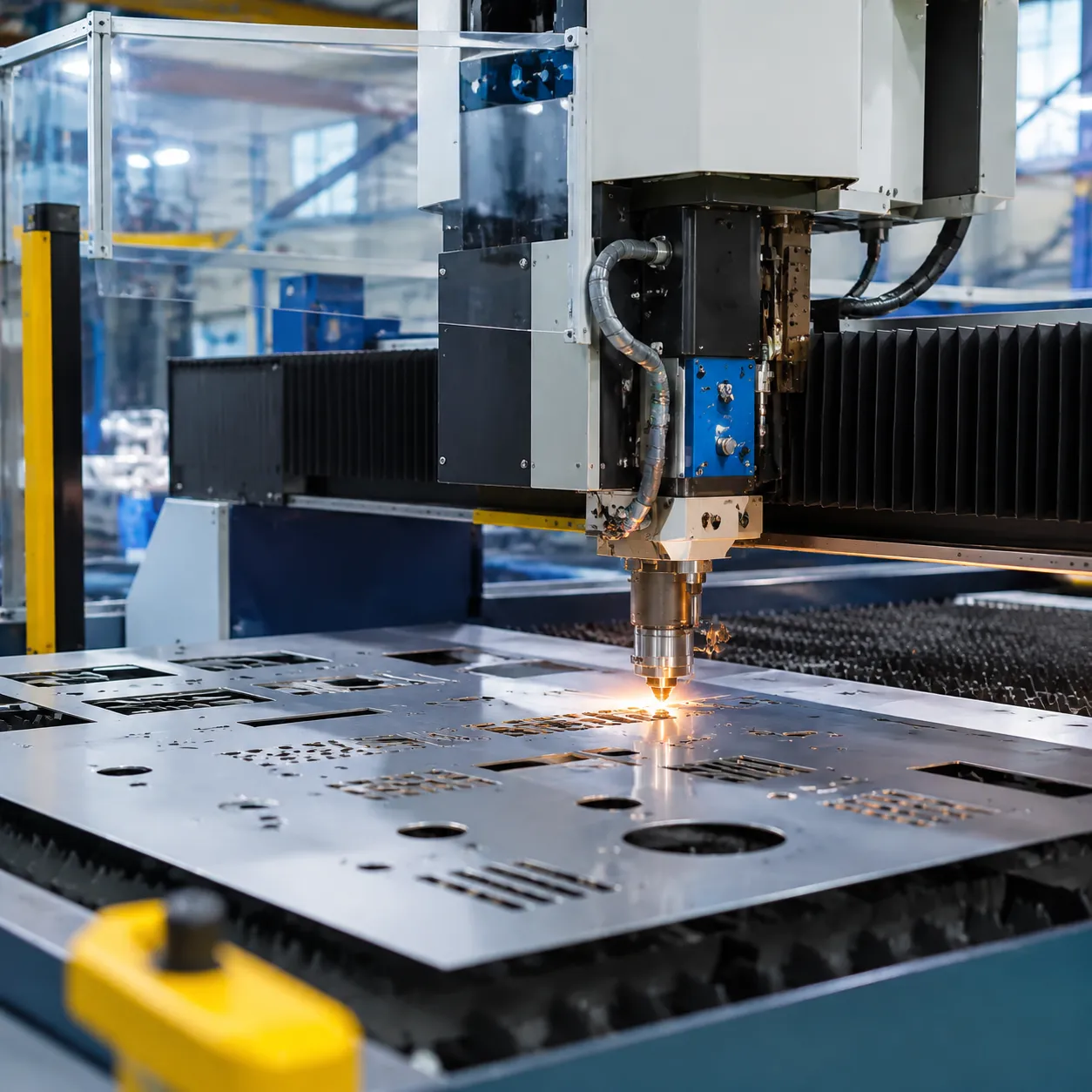
When we engineer pet food extruder die plates, custom CNC machining changes everything. Precision manufacturing guarantees that every die plate performs reliably under the extreme thermal and mechanical stresses of commercial extrusion lines.
High Precision and Dimensional Accuracy
Conventional manufacturing methods often introduce subtle variances in hole sizes, leading to unequal flow rates and density variations. Custom CNC machining eliminates these inconsistencies by delivering micro-level tolerances across every port.
- Uniform Kibble Expansion: Identical port dimensions ensure an even pressure drop across the entire face of the plate.
- Perfect Cutting Interface: Ultra-flat die surfaces permit flush contact with the knife assembly, eliminating ragged cuts and minimizing blade chatter.
- Kibble Shape Consistency: Precise hole geometry ensures every batch matches target dimensions and weight criteria perfectly.
Enhanced Wear and Corrosion Resistance
Abrasive grains, bone meal, and acidic slurries continuously degrade lower-grade die materials. We utilize premium wear resistant steel alloys and carbide die plates engineered specifically to withstand heavy friction and harsh washdown chemicals.
- Abrasion Resistance: Robust metallurgy prevents bore erosion, maintaining original kibble dimensions through millions of production cycles.
- Corrosion Resistance: Specially treated metals withstand moisture and aggressive sanitation agents inside the food forming extruder.
To maximize operational lifespan across your entire line, pairing your dies with specialized pet food wear tracks and DLC-coated components reduces system-wide friction and prevents unplanned maintenance stops.
Optimized Flow Channels for Consistent Output
Flow dynamics inside the extruder barrel dictate final product texture, density, and cooked starch quality. CNC machining allows us to craft complex, polished internal flow channels with tailored land lengths.
- Balanced Mass Flow: Eliminates internal dead zones, preventing starch burns and product buildup.
- Lower Operating Energy: Streamlined internal geometries reduce excessive backpressure, optimizing energy usage per ton of output.
- Quick Integration: Designed to lock directly onto your modular die head for immediate, drop-in compatibility.
Customization Capabilities and Design Options
We engineer custom CNC machined pet food extruder die plates tailored to your exact production requirements. By controlling flow geometry and hole configurations, our custom extrusion dies deliver precise expansion and uniform kibble shape consistency across every batch.
Custom Shapes, Sizes, and Hole Patterns
Our advanced CNC machining allows us to craft intricate geometries with exact hole density and flow balance. We tailor every die face to optimize backpressure and melt distribution.
- Unique Geometries: Bones, hearts, stars, crosses, rings, and dual-texture kibble profiles.
- Balanced Hole Patterns: Computer-optimized hole placement prevents flow dead zones and uneven swelling.
- Precision Bore Sizes: Custom diameters engineered to accommodate specific starch expansion profiles.
| Design Parameter | Customization Range | Operational Benefit |
|---|---|---|
| Hole Diameter | 1.0 mm – 25.0 mm | Controls final kibble size and swell ratio |
| Insert Configurations | Solid plates or interchangeable die inserts | Reduces downtime during product shape changes |
| Surface Finish | Mirror polish or anti-stick coating | Prevents burning and clogging with sticky formulations |
Multi-Color and Multi-Shape Die Systems
To help pet food brands stand out on store shelves, we produce modular die head systems built for complex co-extrusion processes.
- Multi-Color Extrusion: Specialized split-flow channels allow distinct colored doughs to merge cleanly at the exit face without bleed.
- Multi-Shape Output: Run multiple kibble designs on a single die plate simultaneously to simplify mixed-shape packaging blends.
- Co-Extruded Treats: Designed to handle dual-texture products featuring outer crunchy shells with soft center fills.
Compatibility with Twin-Screw and Single-Screw Extruders
Whether your line relies on a high-shear twin-screw system or a standard single screw extruder, our die plates are engineered for an exact drop-in fit. Pairing precise die geometries with high-performance 316L kibble metering screws for pet food manufacturing ensures balanced pressure at the die face and maximum throughput stability.
- Universal Mounting: Custom bolt patterns, keyways, and flange connections match all major extrusion equipment brands.
- Pressure-Tested Tolerances: Tight manufacturing limits eliminate melt leakage around the die holder and cutter knife interface.
- Quick-Change Adaptability: Transition smoothly between single-layer kibble dies and complex multi-part die assemblies.
Applications Across Pet Food Manufacturing
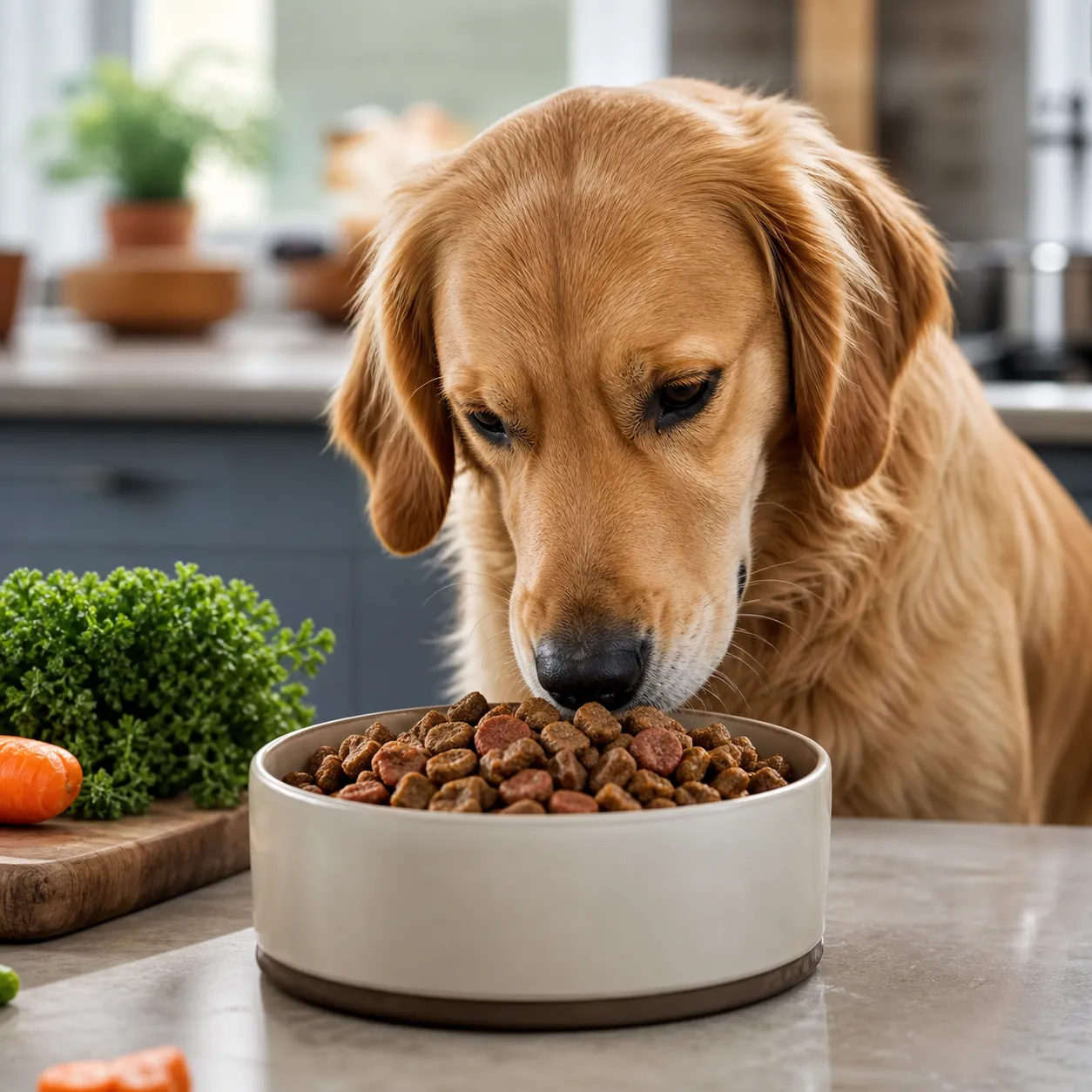
Extrusion requirements vary significantly depending on recipe formulations, target bulk density, and final product geometry. We engineer custom CNC machined pet food extruder die plates to deliver maximum operational uptime and consistent throughput across the entire https://zscncpack.com/industries/pet-food-industry/](https://zscncpack.com/industries/pet-food-industry/)">pet food industry.
Dry Kibble Production
Standard dry kibble processing demands continuous high-volume output without sacrificing structural integrity or piece uniformity.
- Kibble Shape Consistency: Precise hole layouts ensure uniform steam expansion and consistent bulk density across every batch.
- Balanced Mass Flow: Custom CNC machining eliminates dead zones, preventing product burning and uneven cutter contact.
- Extruder Compatibility: Direct-fit engineering ensures seamless mounting onto both single screw extruder setups and high-capacity twin-screw systems.
Pet Treats and Dental Chews
Formulating dental treats and specialized snacks requires complex cross-sections and dense dough processing that place extra stress on tooling.
- Intricate Geometries: We build custom extrusion dies for multi-ridge shapes, stars, bones, and specialized structural profiles.
- Clean Surface Finish: Ultra-smooth flow channels minimize shear stress, allowing sticky, high-viscosity recipes to extrude smoothly.
- Precision Cutting Interface: Micro-polished die faces pair tightly with your knife assembly to produce clean, sharp cuts without product tearing.
Aquaculture Feed and Specialty Animal Feeds
Aquatic feeds and exotic animal diets require strict size tolerances to control pellet sink rates and nutritional density.
- Micro-Pellet Dies: Precision micro-drilled hole patterns optimized for small, highly uniform feed particles.
- Density Control: Exact open-area ratios allow operators to manage expansion rates precisely for floating or slow-sinking feeds.
- High-Wear Performance: Machined from tough, wear-resistant alloys that hold tight tolerances even when running abrasive, high-protein formulations.
How to Select the Right Extruder Die Plate
Selecting the ideal pet food extruder die plates requires a clear evaluation of your equipment setup, output goals, and recipe characteristics. We build custom CNC machined die plates tailored to balance flow pressure, reduce wear, and deliver uniform product shape.
Matching Die Plates to Extruder Specifications
Your die plate must match your machine's exact pressure profiles and mounting geometry to ensure seamless operation:
- Extruder Type: Ensure proper flow distribution whether using a single screw extruder or a twin-screw system.
- Flange & Barrel Alignment: Match exact bolt-circle dimensions and face sealing surfaces to eliminate leakage under high pressure.
- Throughput Capacity: Balance total hole open area against system backpressure to maintain steady volumetric output.
| Spec Factor | Single Screw Extruder | Twin-Screw Extruder |
|---|---|---|
| Pressure Profile | Dependent on die restriction | Controlled via screw profile & die face |
| Flow Management | Centralized feed restriction | Multi-channel balanced distribution |
| Die Fit Focus | Uniform hole distribution | High-precision channel alignment |
Evaluating Wear Resistance and Processing Speed
High processing speeds combined with abrasive ingredients like bone meal or high-fiber grains require die materials built for endurance.
- Wear Resistant Steel: Provides excellent toughness and cost efficiency for standard high-volume kibble lines.
- Carbide Die Plates: Delivers maximum hardness for ultra-abrasive formulations, preventing hole enlargement during continuous runs.
- Cutter Interface: A flat, precision-ground surface ensures consistent contact with the knife assembly, keeping kibble cuts clean and reducing fines.
Custom Design and Engineering Considerations
Standard dies rarely achieve ideal product density across every recipe. When designing custom extrusion dies, we optimize hole layouts, land lengths, and thermal behavior to meet exact product requirements on your food forming extruder.
Reviewing our precision machining case studies shows how tailored engineering solutions resolve tough production bottlenecks and tool wear issues.
Key engineering factors include:
Expansion Control: Adjusting land lengths to lock in target bulk density and texture.
Flow Channel Geometry: Preventing dough stagnation and balancing flow rates between inner and outer die holes.
Quick Changeover Features: Designing tooling mounts for fast cleanup and simple replacement during product switches.
Maintenance and Care for Longer Service Life
Proper maintenance of custom CNC machined pet food extruder die plates directly impacts equipment lifespan and product uniformity. Systematic care routines reduce costly downtime and protect your tooling investment.
Best Practices for Cleaning and Unclogging Dies
- Clean Immediately: Remove plates right after production runs before hot starch and protein mixtures harden inside delicate flow channels.
- Use Non-Abrasive Tools: Clean custom extrusion dies with brass scrapers, soft brushes, or ultrasonic cleaning tanks. Never use hard steel picks that scratch precise orifice walls.
- Soak for Tough Clogs: Use food-safe soaking solutions to loosen burnt-on material without etching wear resistant steel or carbide surfaces.
Inspecting Die Plates for Wear and Damage
- Monitor Hole Dimensions: Inspect exit orifices routinely. Any hole expansion or distortion immediately compromises kibble shape consistency.
- Verify Surface Flatness: Check the die face for groove marks, pitting, or warping to ensure a tight seal against the extruder barrel.
- Inspect Wear Zones: Examine high-wear zones on the modular die head and replace components before processing pressures become unstable.
Ensuring Proper Knife Alignment and Setup
- Set Precise Gap Clearance: Align the knife assembly so blades skim flush against the die face without causing metal-on-metal friction.
- Use Quality Knife Sets: Pair die plates with precise, hygienic knife holders to maintain uniform cutting force and eliminate ragged kibble edges.
- Calibrate Blade Pressure: Check knife tension regularly—over-tightening causes premature die face wear, while excessive clearance causes smearing and inconsistent cut lengths.