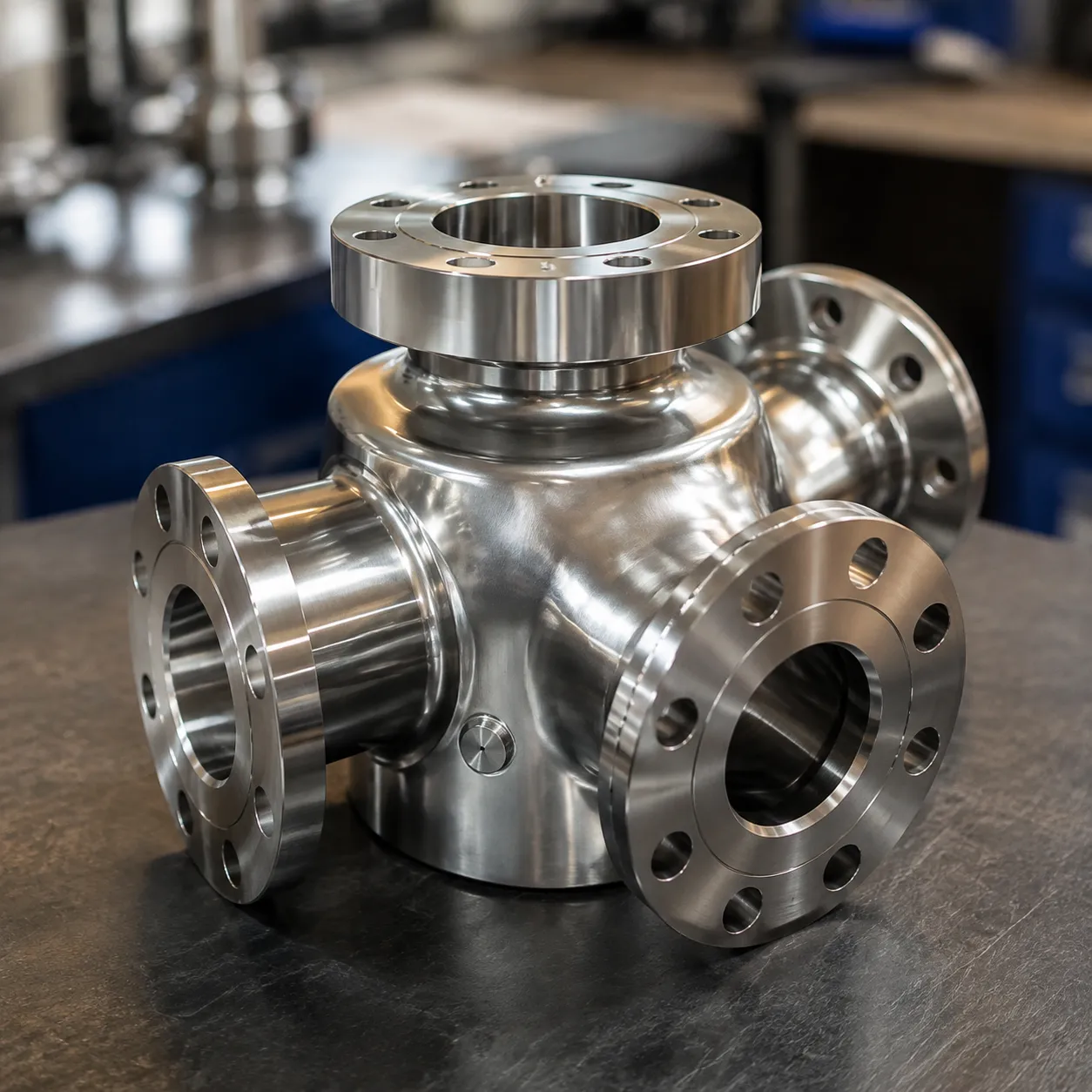
Overview
Electropolished 316L Filling Valve Bodies in Sanitary Lines
In high-purity fluid dosing, we rely on electropolished 316L filling valve bodies to eliminate contamination risks and protect batch integrity. Sanitary processing lines require uncompromised cleanliness, making this specific alloy and surface finish combination the global standard for aseptic filling operations.
The 316L Stainless Steel Advantage
We engineer our sanitary filling valve bodies using 316L low-carbon stainless steel to deliver superior chemical resistance and structural durability:
- Low Carbon Content: Maximum 0.03% carbon content prevents carbide precipitation during welding, eliminating heat-affected zone corrosion.
- Molybdenum Fortification: Delivers exceptional resistance to pitting and crevice corrosion caused by chloride solutions and aggressive dosing compounds.
- Thermal Endurance: Maintains structural integrity during rapid temperature shifts in hot washdowns and sterilization cycles.
Minimizing Surface Roughness and Micro-Cracks
Mechanical grinding can smear metal and trap microscopic debris. We utilize precision electropolishing to level the surface profile electrochemically:
- Peak Removal: Dissolves surface peaks to achieve ultra-low surface roughness ratings (Ra ≤ 0.38 µm / 15 µin).
- Defect Elimination: Eradicates micro-cracks, stress fractures, and burrs where bacteria and process fluids collect.
- Passive Layer Enrichment: Strips free iron from the surface, forming a dense, corrosion-resistant chromium oxide layer.
Preventing Biofilm Buildup and Cross-Contamination
Uncontrolled microbial growth compromises batch quality and increases system downtime. Electropolished internal walls remove the anchor points required for biological adhesion:
- Streamlined Flow Paths: Smooth internal contours prevent liquid stagnation and dead-leg accumulation.
- Zero Batch Carryover: Superior drainability ensures fast product displacement during flavor or fluid changeovers.
- Seal Protection: Smooth surfaces reduce friction and abrasive wear on elastomeric seals and diaphragms.
Meeting ASME BPE, FDA, and EHEDG Standards
Our electropolished 316L valve bodies strictly adhere to global hygienic design standards for reliable audit compliance:
| Standard | Hygienic Requirement | Operational Benefit |
|---|---|---|
| ASME BPE | Controlled surface finish (SF1/SF4) and metallurgy | Direct compatibility with high-purity biopharmaceutical systems |
| FDA 21 CFR | Non-reactive, non-leaching contact surfaces | Safe for direct contact with food, beverage, and drug products |
| EHEDG | Cleanable design without fluid trapping | Validated cleanability during routine washing operations |
Key Design Specifications of Electropolished 316L Filling Valve Bodies
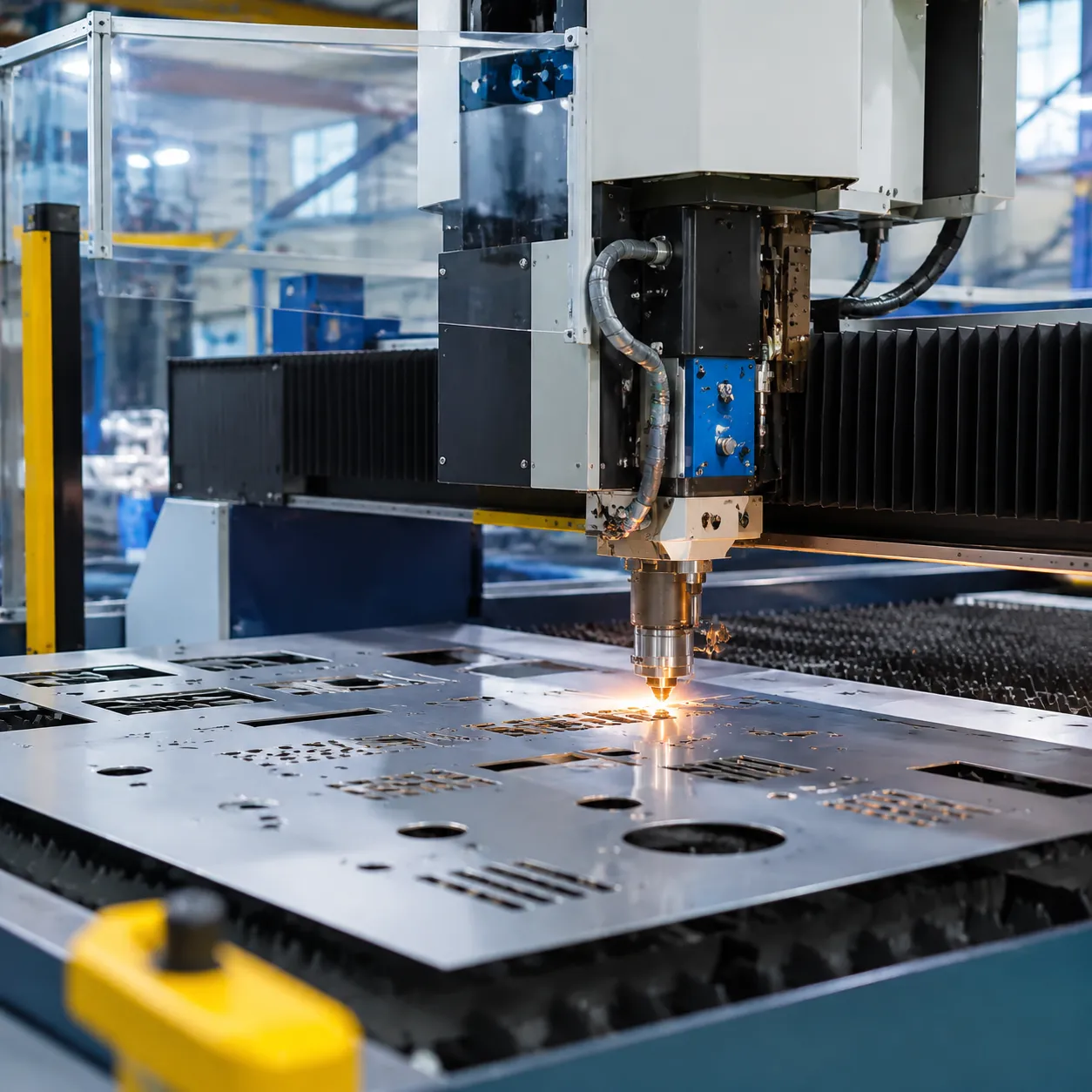
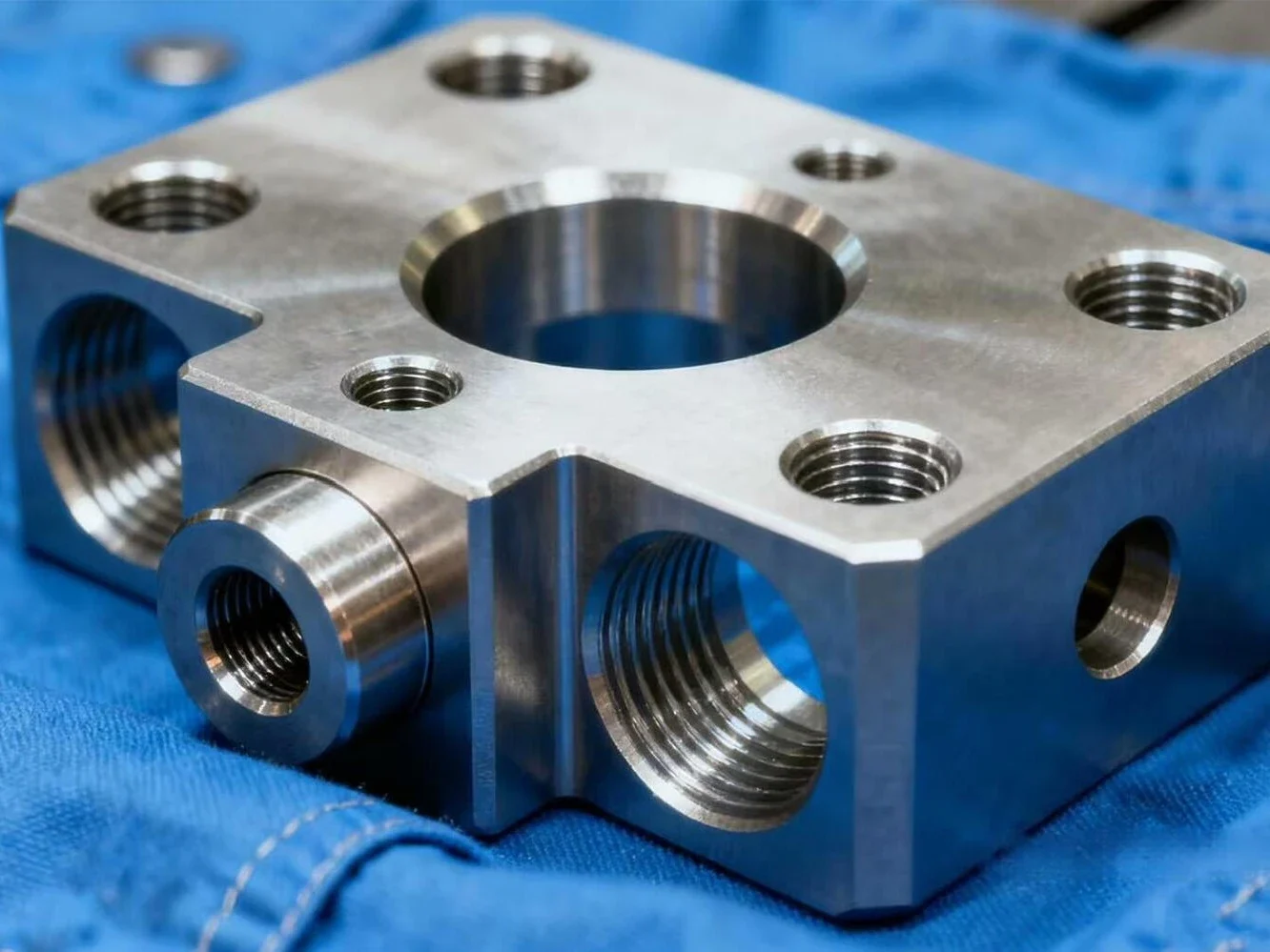
We manufacture electropolished 316L filling valve bodies using high-precision CNC machining to guarantee micron-level seating tolerances and leak-free performance under high cycle rates. Each 316L stainless steel valve body is engineered to withstand demanding sanitary environments while enabling rapid washdowns and seamless system integration.
| Technical Feature | Specification Standard | Production Advantage |
|---|---|---|
| Machining Precision | Tight-tolerance CNC turned & milled | Prevents seat leakage and extends seal operational life |
| Stem & Core Layouts | Diaphragm, piston, and sanitary stem | Accommodates varied liquid viscosities and dosing profiles |
| System Connections | Quick-release Tri-clamp & orbital weld-end | Minimizes disassembly downtime during batch turnovers |
| Sterilization Rating | Full CIP/SIP thermal and chemical resistance | Withstands continuous 135°C steam purges and caustic washdowns |
- Flexible Flow Configurations: Available in diaphragm, piston, and sanitary stem configurations to prevent product shear during high-speed fluid transfer.
- Rapid-Clean Connections: Tri-clamp and weld-end fittings ensure secure, pressure-tight joints that simplify sanitary line maintenance.
- CIP/SIP Integration: Engineered with smooth internal radii to eliminate dead legs. Pair these valve bodies with an optimized CIP spray pattern and orifice layout to improve washdown coverage, shorten clean cycles, and reduce chemical usage.
Electropolishing vs. Mechanical Polishing for Valve Bodies
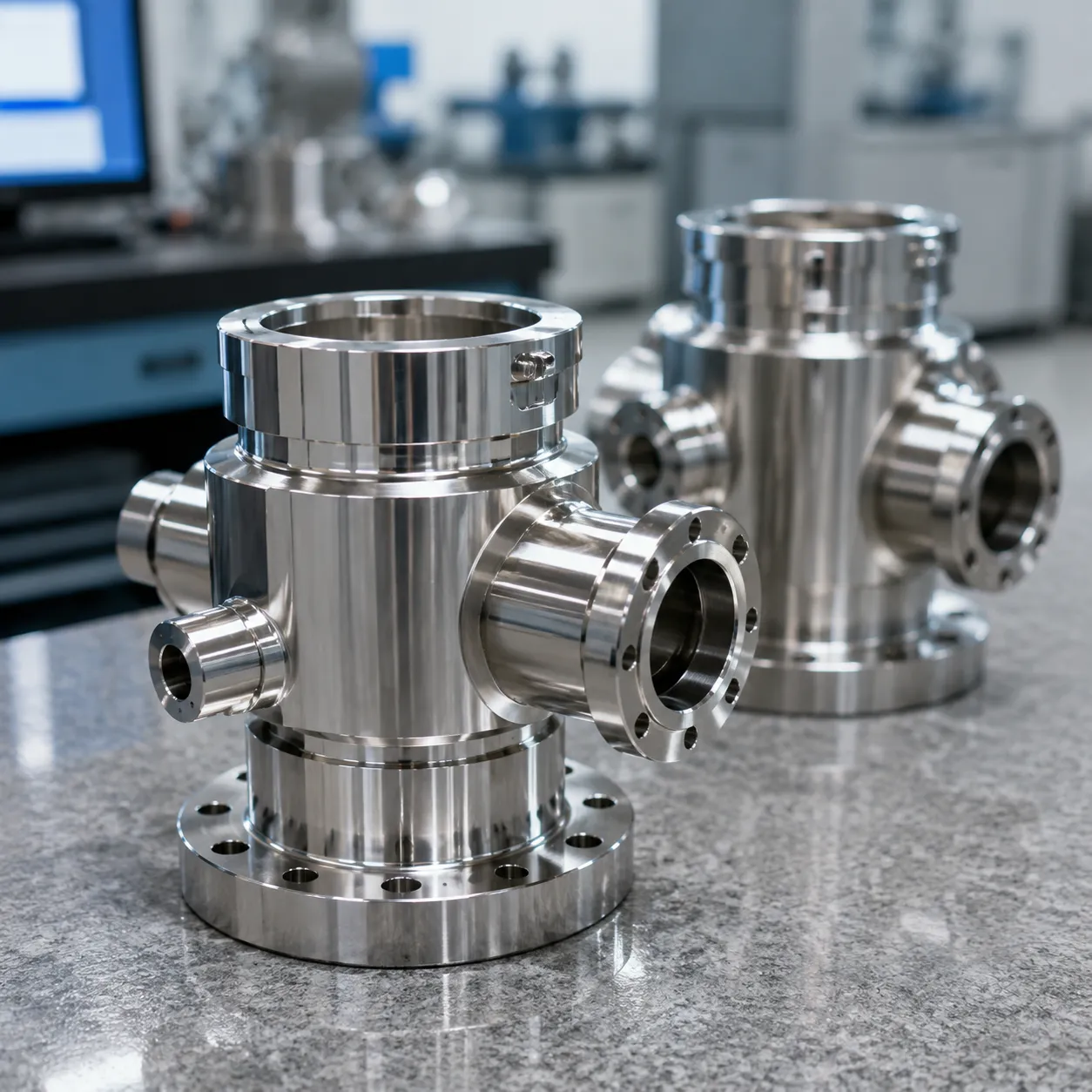
We consistently choose electropolishing over mechanical grinding for our 316L filling valve bodies to guarantee absolute purity in aseptic liquid dosing systems. While mechanical polishing abrades surface peaks, it can leave micro-folds, directional grain lines, and embedded polishing compounds behind. Electropolishing electrochemically dissolves these microscopic surface irregularities, creating a smooth, non-directional finish.
Surface Finish Micro-Inch Ratings (Ra Values)
Mechanical polishing typically yields an Ra of 20–32 µin (0.5–0.8 µm), leaving micro-grooves where bacteria can cling. Electropolishing reduces surface roughness down to 10–15 µin (0.25–0.38 µm) Ra or lower, removing micro-peaks entirely.
| Finishing Method | Surface Roughness (Ra) | Surface Topography | Biofilm Trapping Risk |
|---|---|---|---|
| Mechanical Polishing | 20–32 µin (0.5–0.8 µm) | Directional lines, micro-cavities | Moderate to High |
| Electropolishing | 10–15 µin (0.25–0.38 µm) | Featureless, microscopic peak reduction | Extremely Low |
Chromium-Enriched Passivation and Corrosion Resistance
Electropolishing selectively strips free iron from the surface of the 316L alloy, leaving behind a thick, chromium-rich passive oxide layer. This enhanced passivation delivers superior resistance against pitting and crevice corrosion caused by aggressive dosing compounds, saline formulations, and continuous CIP chemicals. For high-purity fluid lines, our precision 316L valve bodies leverage this elevated passivation to maintain sterile integrity without degradation.
Cleanability Tests and Extended Durability
In standard cleanability testing, electropolished valve bodies consistently outperform mechanically polished components:
- Reduced Chemical Usage: Smooth surface topographies prevent sticky product residues from clinging, cutting CIP chemical consumption by up to 30%.
- Shorter Washdown Duration: Faster rinse times streamline product changeovers on high-speed packaging lines.
- Extended Component Life: Removing sharp micro-burrs prevents premature abrasion on elastomeric valve diaphragms and seals during continuous SIP steam cycles.
Primary Industrial Applications
We design our electropolished 316L filling valve bodies to meet strict hygiene demands across high-purity processing sectors. These precision components handle aggressive dosing, frequent washdowns, and sterile transfers without risk of cross-contamination.
Pharmaceutical Aseptic Liquid Dosing & Vial Filling
High-speed vial filling and ampoule dosing demand exact volumetric accuracy and zero bacterial traps. Our aseptic filling valve designs maintain clean fluid cutoff during micro-dosing. The ultra-smooth inner surface prevents drug residue buildup and ensures full batch recovery during high-value pharmaceutical production.
Biotech Bioreactor Harvesting & Fluid Transfers
In bioreactor sampling, harvest lines, and sterile transfer manifold systems, maintaining process integrity is critical:
Zero Dead-Leg Design: Eliminates fluid stagnation in active flow paths.
Corrosion Resistance: Passivated 316L stainless steel valve body construction resists aggressive growth media and buffer solutions.
SIP Resilience: Withstands continuous high-temperature steam sterilization cycles without seal degradation or body distortion.
Beverage, Dairy & High-Viscosity Food Lines
High-speed packaging lines for milk, juice, sauces, and edible oils demand fast washdowns and leak-free shutoff. Paired alongside POM bottle neck guides for filling lines, our sanitary filling valve body configurations keep container necks aligned under fill nozzles for drip-free dispensing.
Personal Care & Cosmetic Container Filling
Viscous lotions, shampoos, and creams present unique challenges for fill heads. Our hygienic process valve components prevent product stringing, blowback, and seal leakage, keeping packaging machinery clean and running at maximum throughput.
Installation, Alignment, and Preventive Maintenance
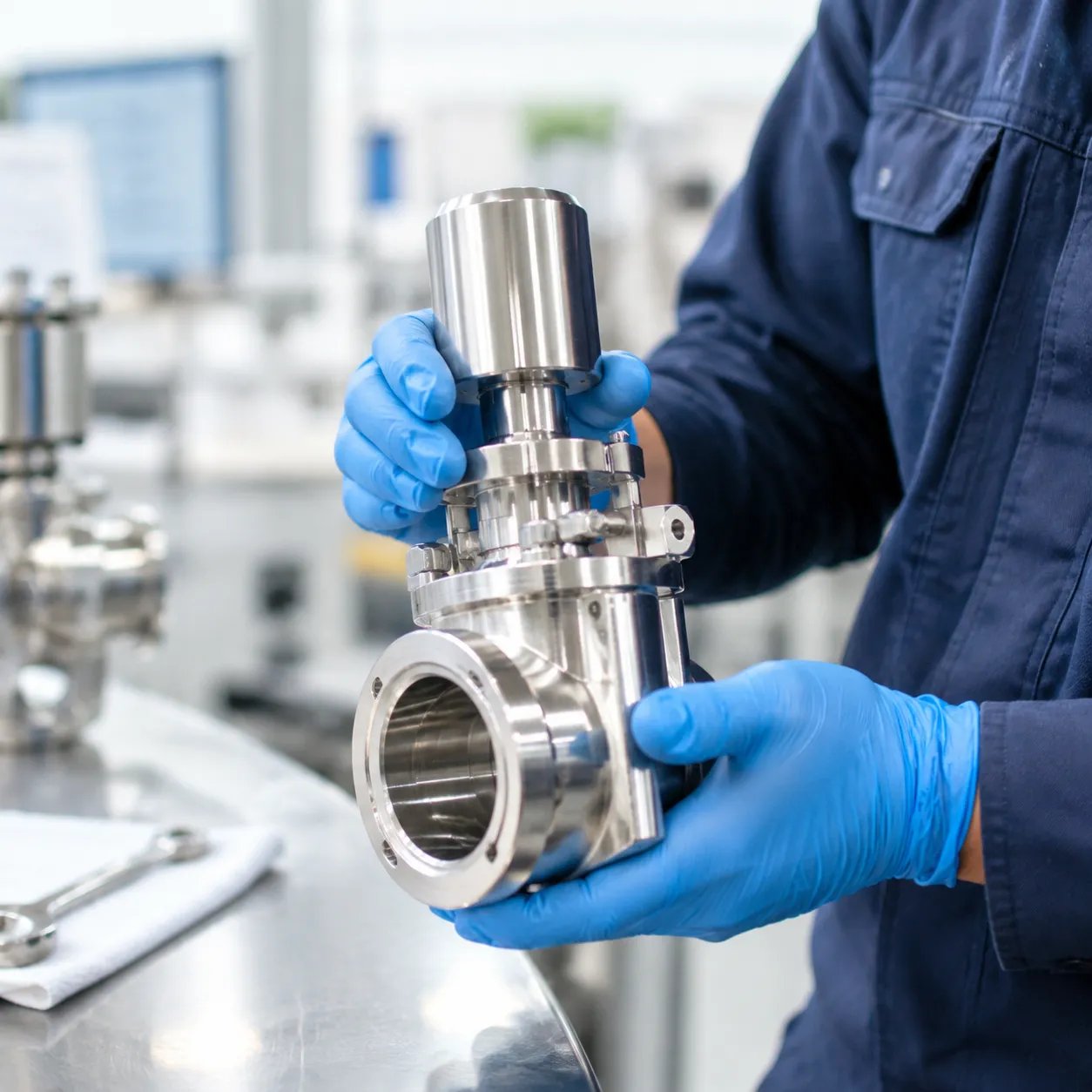
Proper installation and scheduled maintenance preserve the ultra-clean surface of electropolished 316L valve bodies, preventing product contamination and seal failure on high-speed liquid packaging lines.
Selecting Compatible Gasket Materials
Process fluid composition, operating temperatures, and washdown chemicals dictate seal selection:
- PTFE (Teflon): Superior chemical inertness and resistance to temperatures up to 260°C. Best for aggressive dosing compounds; requires exact torque specs to prevent cold flow deformation.
- EPDM: Outstanding resistance to steam, hot water, and CIP acid/alkali solutions. Resists compression set during repeated thermal expansion cycles.
- Silicone (VMQ): High flexibility and low extraction levels, ideal for biological fluids. Susceptible to swelling when exposed to concentrated oils or solvents.
Orbital Welding and Tri-Clamp Torque Standards
- Orbital Welding: Use high-purity argon purging gas during welding to maintain the inner passivation layer of the 316L stainless steel valve body and eliminate ID heat tint.
- Tri-Clamp Joint Alignment: Align flange faces flush before tightening. Over-torquing compresses elastomeric gaskets into the product tube, creating an internal ridge that traps bacteria. Tighten hand-tight plus one-quarter turn to maintain a smooth, flush interior connection.
Routine Inspection Schedules
- Daily: Check actuator stems and tri-clamp valve body joints for visual weeping or pressure drop during production runs.
- Every 500 SIP Cycles: Inspect diaphragms and dynamic seals for blistering, hardening, or permanent compression set.
- Quarterly Audit: Inspect valve seats and internal sealing faces for mechanical erosion. When optimizing automated dosing stations, pairing our CIP SIP compatible components with titanium guide components for packaging machinery maintains rigid mechanical alignment under high thermal loads.
Troubleshooting Operational Issues
| Symptom | Root Cause | Action |
|---|---|---|
| Seat / Stem Leakage | Damaged diaphragm, uneven clamp torque, or seal wear | Replace elastomeric seal; re-torque tri-clamp uniformly. |
| Flow Restriction | Extruded gasket entering flow path or stem travel limits | Replace crushed gasket; verify actuator stroke and inner diameter match. |
| Thermal Binding | Differential stem expansion during high-temp SIP steam cycles | Check actuator stem clearances and implement controlled cool-down ramps. |
Frequently Asked Questions
Why is 316L preferred over standard 316 for filling valves?
316L stainless steel contains a lower carbon content (le 0.03%) compared to standard 316. This prevents carbide precipitation during orbital welding, ensuring the heat-affected zones retain full corrosion resistance. When we supply 316L valve manifolds for beverage and sanitary processing, this low-carbon profile prevents localized pitting and intergranular corrosion caused by harsh cleaning chemicals.
What Ra finish rating is needed for pharmaceutical valve bodies?
Pharmaceutical aseptic liquid dosing requires an electropolished surface finish of Ra $le$ 15 µin (0.38 µm), matching ASME BPE SF4 standards. For standard food and beverage packaging lines, an Ra $le$ 20–25 µin is typically sufficient. Electropolishing removes micro-peaks and crevices, preventing bacteria from anchoring inside the flow channel.
How often should sanitary seals be inspected during high-speed runs?
We recommend routine visual checks during daily washdowns, combined with structured maintenance windows:
- 24/7 High-Speed Runs: Inspect diaphragms and seals every 2 to 4 weeks; replace every 3 months.
- Standard Batch Processing: Inspect seals monthly; perform full replacements every 6 to 12 months.
- Immediate Warning Signs: Replace seals immediately if you spot compression set, edge flaking, or product seepage near the tri-clamp connection.
Can electropolished 316L valve bodies handle continuous SIP steam cycles?
Yes. Electropolished 316L valve bodies withstand continuous Sterilize-In-Place (SIP) steam cycles at temperatures up to 135°C (275°F) without thermal degradation or surface stress cracking. To ensure leak-free performance, pair the 316L valve body with steam-rated diaphragm materials such as PTFE or FFKM.