Overview
What Are Precision 316L Carbonation Valve Bodies?
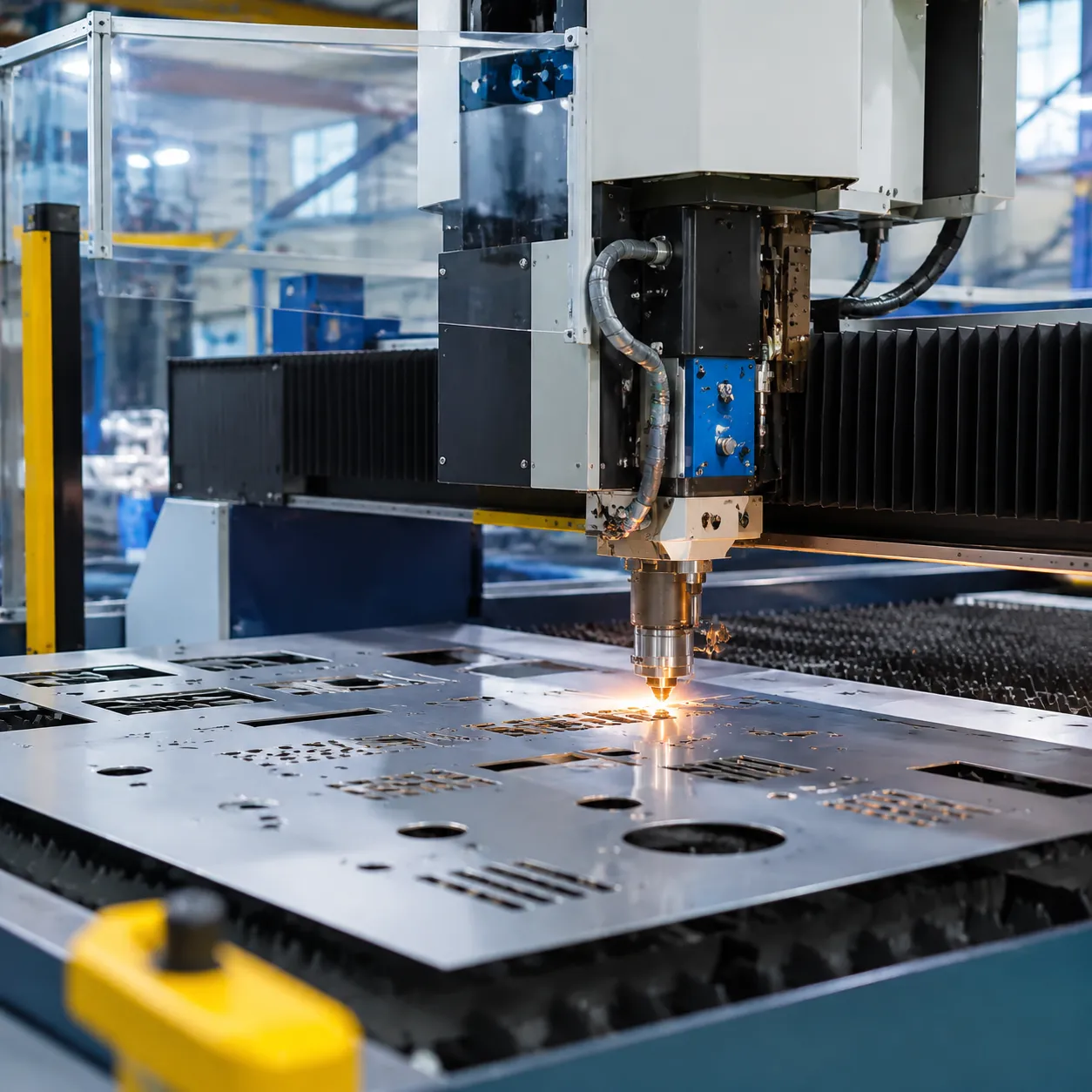
Machining tolerance review: Typical machining tolerance is ±0.01 mm. Selected dimensions may achieve ±0.005 mm after technical review. Final tolerances depend on the drawing, material, part size, geometry, finishing and inspection requirements and must be confirmed before order acceptance.
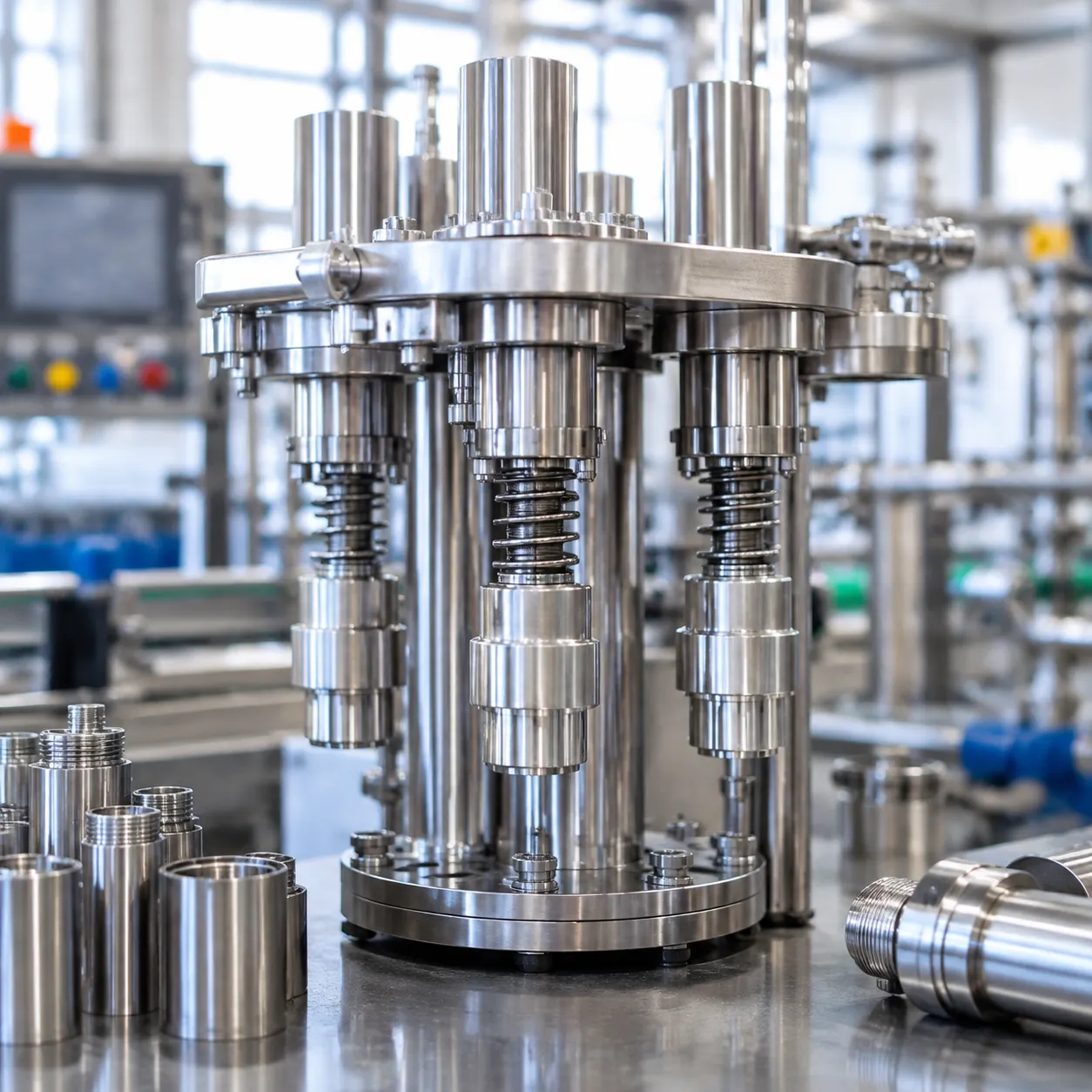
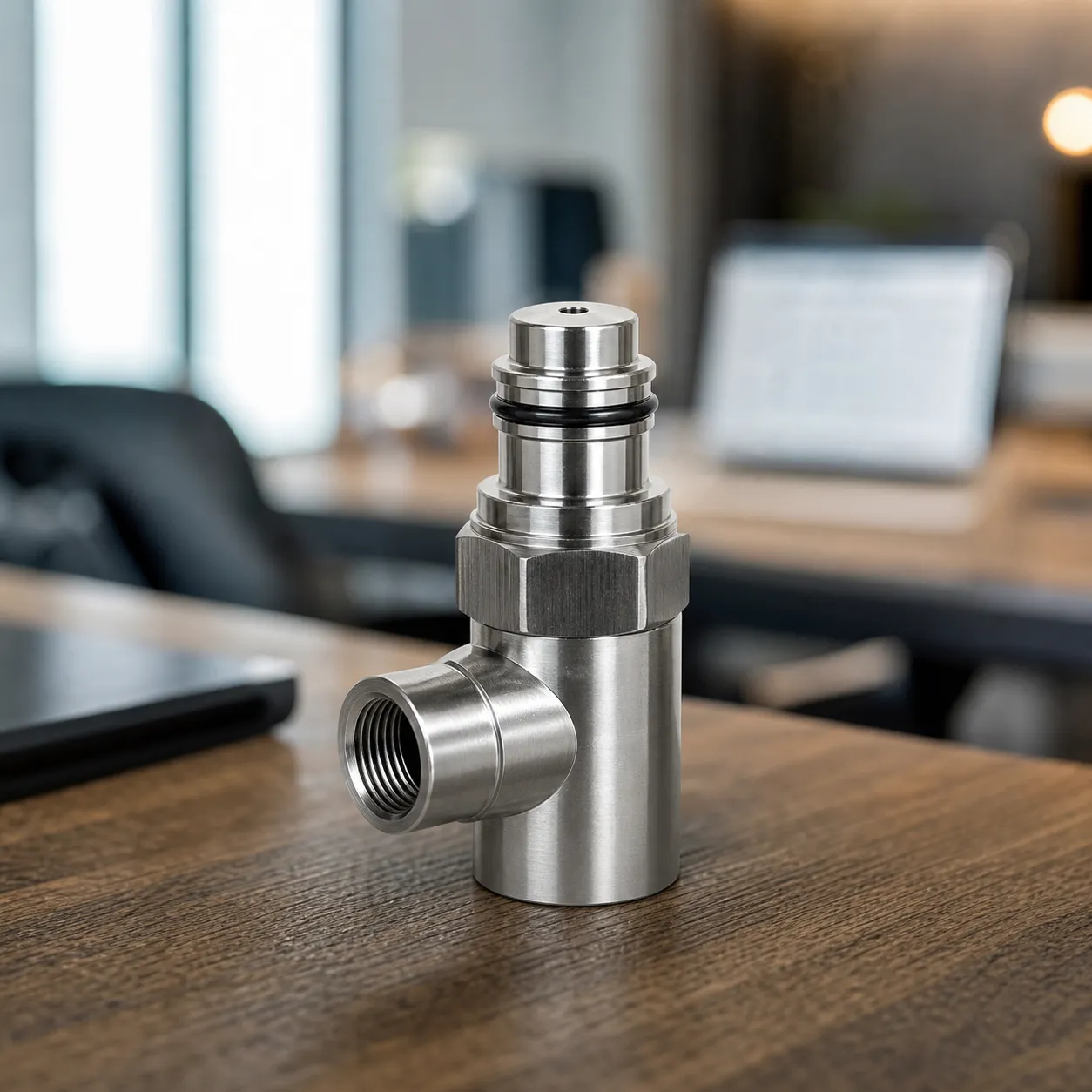
Precision 316L carbonation valve bodies serve as the structural core in high-performance gas-injection and fluid management systems. Engineered to house internal diffusion components, these valve housings facilitate the precise dissolving of gases—such as carbon dioxide (CO2) or nitrogen (N2)—into liquid streams. By maintaining structural stability under dynamic thermal and pressure conditions, they ensure consistent absorption rates and reliable system performance across demanding industrial lines.
Overview of Carbonation Valve Body Functions
The carbonation valve body acts as both a pressure-retaining housing and a directional fluid channel. Its primary operational roles include:
- Controlled Gas Dispersion: Directing liquid flow evenly over carbonation stones or sparging elements for optimal gas dissolution.
- Pressure Isolation: Maintaining exact system pressure differentials to prevent backflow and fluid cross-contamination.
- System Integration: Providing rigid, leak-proof attachment points for actuators, end caps, and sensors in automated flow control solutions.
Why 316L Stainless Steel Is Preferred
Selecting stainless steel 316L over standard 304 or regular 316 grades is essential for process longevity and media compatibility. Key material advantages include:
- Intergranular Corrosion Resistance: The ultra-low carbon content ("L" grade) eliminates carbide precipitation during welding, preserving chemical resistance at join points.
- Pitting and Crevice Protection: High molybdenum addition (2–3%) provides robust defense against harsh CIP (Clean-In-Place) chemicals, sanitizers, and chloride-rich fluids.
- Mechanical Strength: Delivers high yield strength and resilience against thermal shock during high-temperature processing.
Role in Sanitary and High-Purity Fluid Control
Sanitary applications demand zero-tolerance policies for contamination and bacterial harborages. Precision 316L carbonation valve bodies support ultra-clean processing through specialized manufacturing standards:
| Feature | Sanitary Advantage |
|---|---|
| Crevice-Free Geometry | Eliminates internal dead legs where product residue or micro-organisms can collect. |
| Precision CNC Machining | Ensures exact tolerance matching for tight seal compression and zero-leak performance. |
| High-Spec Surface Finish | Smooth, electropolished internal surface finishes (Ra ≤ 0.4 µm) ensure complete drainability and effortless CIP/SIP sterilization. |
Key Features and Advantages of 316L Carbonation Valve Bodies
Our precision 316L carbonation valve bodies are engineered to give you total command over high-purity fluid control processes. We combine high-grade metallurgy with rigorous production standards to deliver reliable, leak-free performance in demanding sanitary environments.
Superior Corrosion and Pitting Resistance
We manufacture every valve body from premium stainless steel 316L. The low-carbon profile and added molybdenum give the material exceptional corrosion resistance:
Chloride and Acid Protection: Stays intact when exposed to acidic beverages, organic acids, and aggressive CIP chemicals.
Gas Injection Stability: Withstands continuous exposure to dissolved CO2 and carbonic acid without surface degradation.
Long Operating Life: Prevents pitting and crevice corrosion, protecting your process lines from unexpected failures.
Precision CNC Machining for Leak-Proof Performance
Maintaining tight sealing under fluctuating system pressures requires exact dimensional control. Through high-precision CNC machining, we produce valve bodies with exact internal profiles and flat sealing faces:
Bubble-Tight Seal: Machined valve seats eliminate micro-gaps, ensuring a leak-proof fit.
Stable Flow Rates: Smooth, controlled internal channels support steady flow control solutions.
Precise Assembly: Uniform tolerances make inline installation and seal replacement quick and reliable.
High Temperature and Pressure Durability
High-pressure carbonation and thermal sterilization place heavy stress on system hardware. Our structural options, including the forged valve body, easily withstand tough mechanical demands.
| Feature Metric | Standard Capability | Process Advantage |
|---|---|---|
| Material Chemistry | AISI 316L Stainless Steel | Prevents intergranular corrosion after thermal stress |
| Machining Quality | Multi-axis CNC machining | Delivers accurate alignment and seal compression |
| Thermal Tolerance | SIP / CIP High-Temp Compatible | Resists thermal shock during steam sanitization |
| Pressure Stability | High ASME pressure class ratings | Prevents body distortion during carbonation pressure surges |
Hygienic and Easy-to-Clean Surface Finish
Cleanability is critical in sanitary process lines. We apply a smooth, high-spec surface finish to eliminate microscopic crevices where bacteria or product residue could take root:
Ultra-Smooth Interior: Polished internal surfaces (Ra ≤ 0.4 µm) stop residue accumulation.
Faster CIP Cycles: Smooth walls wash clean quickly, reducing chemical and water usage.
Product Purity: Prevents biofilm formation, maintaining strict hygiene across every batch.
Technical Specifications and Material Properties
Every batch of our Precision 316L Carbonation Valve Bodies undergoes strict metallurgical verification. We control the material chemistry and mechanical parameters to ensure flawless field performance under extreme sanitary conditions.
Chemical Composition of 316L Stainless Steel
The core strength of our valve bodies lies in the precise balance of alloying elements. We use high-grade 316L stainless steel with ultra-low carbon content to eliminate carbide precipitation during welding.
| Element | Weight Percentage (%) |
|---|---|
| Carbon (C) | ≤ 0.03 |
| Chromium (Cr) | 16.00 – 18.00 |
| Nickel (Ni) | 10.00 – 14.00 |
| Molybdenum (Mo) | 2.00 – 3.00 |
| Manganese (Mn) | ≤ 2.00 |
| Silicon (Si) | ≤ 0.75 |
| Iron (Fe) | Balance |
Mechanical Properties and Pressure Ratings
Our CNC-machined and forged valve bodies deliver high structural integrity, easily handling high-pressure gas injection and aggressive cleaning cycles.
- Tensile Strength: ≥ 485 MPa
- Yield Strength (0.2% Offset): ≥ 170 MPa
- Elongation in 2 inches: ≥ 40%
- Hardness: ≤ 90 HRB
- Standard Pressure Ratings: Designed to comply with ASME Class 150 and Class 300 requirements, safely handling working pressures up to 500 PSI depending on the specific end-cap configuration.
Applicable Design and Manufacturing Standards
We manufacture our valve components to meet rigid global engineering and hygiene protocols, guaranteeing seamless integration into existing processing lines.
- Sanitary Standards: 3-A Sanitary Standards for sensory and wetted components.
- Material Compliance: ASTM A182 (forged components) and ASTM A351 (cast components).
- Design & Dimensions: ASME B16.34 for valves and ASME BPE for bio-processing equipment.
- Regulatory Approval: FDA-compliant raw materials for all fluid-contact surfaces.
Types and Structural Configurations of Precision 316L Carbonation Valve Bodies
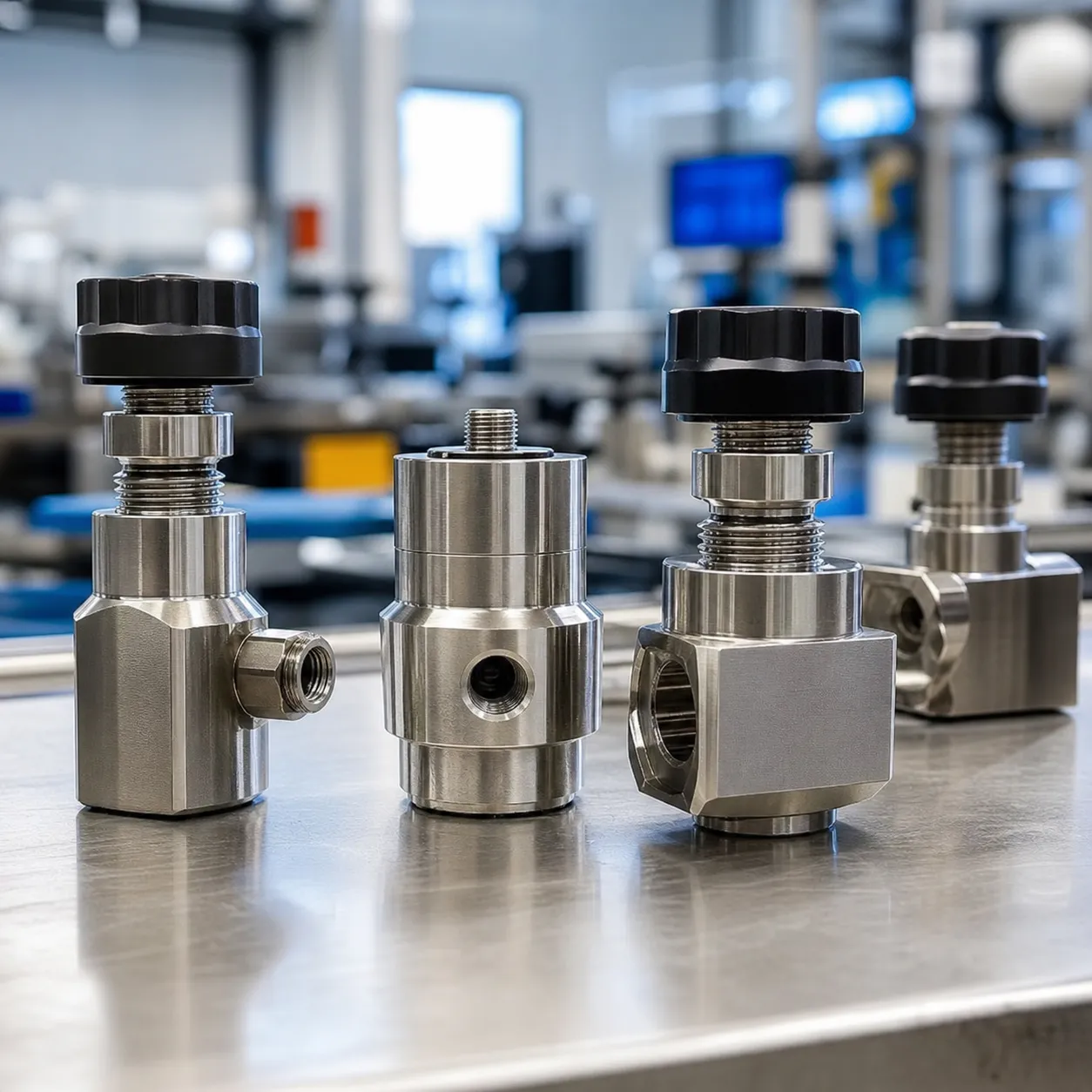
Different fluid control systems demand specific geometries to optimize gas blending and flow dynamics. We engineer our precision 316L carbonation valve bodies in multiple configurations to fit seamlessly into your production lines.
Spherical Carbonation Valve Bodies with Caps
The spherical carbonation valve design is engineered specifically to eliminate dead legs and fluid stagnation. The rounded interior chamber promotes natural turbulence, which is essential for uniform CO2 or N2 injection into beverages.
- Streamlined Flow: Minimizes pressure drops and turbulent shearing.
- Easy Maintenance: Removable end caps allow direct access for quick sanitization and seal replacement.
- Sanitary Tri-Clamp Ends: Ensures a tight sealing connection with standard sanitary piping systems.
Forged Steel vs. Cast Stainless Steel Valve Bodies
Choosing the right fabrication method directly impacts the lifespan and pressure rating of your fluid control components. We specialize in high-integrity manufacturing to deliver maximum reliability.
| Feature | Forged 316L Valve Body | Cast Stainless Steel Valve Body |
|---|---|---|
| Material Density | Extremely high; zero internal porosity | Variable; prone to microscopic gas pockets |
| Pressure Resistance | Superior; handles high ASME pressure classes | Moderate; higher risk of failure under pressure spikes |
| Surface Finish | Excellent base for ultra-smooth CNC machining | Rougher surface; requires extensive mechanical polishing |
| Best Used For | High-purity, high-pressure sanitary systems | Low-pressure, general-purpose fluid handling |
Custom Multi-Port and Special Pattern Valve Bodies
When standard two-way valves cannot meet the complexity of your system, custom multi-port configurations bridge the gap. We utilize advanced multi-axis CNC machining to cut complex flow channels out of single blocks of solid stainless steel 316L.
By integrating multiple ports into a single body, you eliminate unnecessary weld joints, reduce potential leak points, and save valuable footprint space. For highly specialized processing setups, our custom beverage valve manifold 316L for sanitary processing delivers complex flow control solutions without compromising hygienic standards. Whether your application requires Y-patterns, T-patterns, or unique multi-inlet blocks, we build them directly to your exact technical drawings.
Primary Applications of 316L Carbonation Valve Bodies
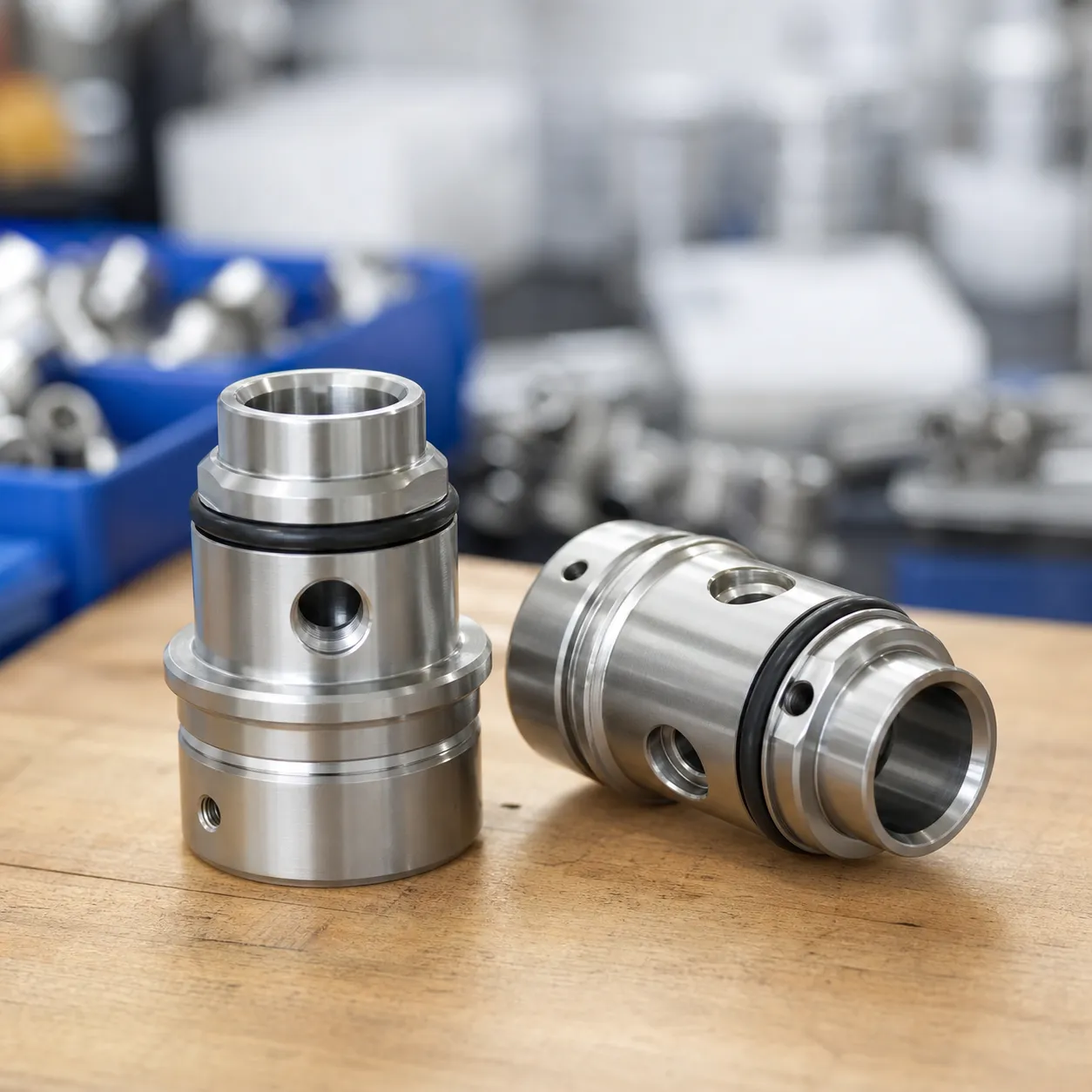
Precision 316L carbonation valve bodies are essential components across industries that demand sanitary design, strict fluid control, and long-term operating durability. We manufacture these valve bodies to meet rigorous international standards, delivering flawless performance in ultra-pure and high-pressure processing lines.
Commercial Brewing and Beverage Carbonation
In commercial breweries and soft drink manufacturing, precise gas injection is non-negotiable. Our spherical carbonation valve bodies provide accurate CO2 and N2 dispersal to maintain consistent foam stability, mouthfeel, and carbonation levels.
- Acid & Pitting Resistance: Protects against aggressive acidic liquid profiles without metal leaching.
- Tight Sealing: Ensures reliable shut-off to eliminate gas leakage and backflow into supply lines.
- Seamless Integration: Works effortlessly within automated systems throughout the beverage processing industry.
Pharmaceutical and Bio-Processing Systems
Biopharmaceutical manufacturing leaves zero room for contamination. Built from premium stainless steel 316L, each forged valve body offers an ultra-clean flow path for sterile gas sparging, bioreactor aeration, and pure fluid transfer.
- Sterility Assurance: Electropolished interior surfaces prevent microbial entrapment and biofilm formation.
- CIP/SIP Compatibility: Endures continuous exposure to Clean-In-Place chemical washes and high-temperature steam sterilization.
- Reliable Sparging: Delivers precise micro-bubbling for critical fermentation and cell culture processes.
Food Processing and Demanding Fluid Control
Beyond brewing and pharma, precision 316L carbonation valve bodies excel in high-viscosity food dosing, liquid stripping, and clean utility systems across the food processing industry.
- Hygienic Standard Compliance: Meets strict sanitary guidelines for direct food and dairy contact.
- Thermal Durability: Maintains tight tolerances and dimensional stability under severe temperature cycling.
- Harsh Chemical Resistance: Withstands frequent exposure to harsh sanitation agents, salts, and fatty acids.
Manufacturing Capabilities and Quality Control
Producing reliable precision 316L carbonation valve bodies requires uncompromising control across every stage of production. We integrate heavy-duty forging, state-of-the-art metalworking, and strict quality assurance to ensure every valve body performs flawlessly under demanding sanitary conditions.
Precision CNC Machining and Forging Process
We start with high-density hot forging to refine the internal grain structure of the 316L stainless steel, eliminating porosity and micro-cracks. From there, precision cutting shapes the raw valve body into its exact final dimensions.
- Heavy-Duty Forging: Eliminates internal structural defects and increases overall pressure resistance.
- Tight Tolerances: By utilizing advanced 5-axis machining tools, we maintain critical tolerances down to ±0.005 mm (selected dimensions; subject to review) with mating fit and sealing performance validated in the complete assembly.
- Optimized Flow Paths: Machined internal contours reduce fluid turbulence and prevent product buildup.
In-House Inspection Equipment and Quality Testing
Quality control is built directly into our manufacturing workflow. Every batch of carbonation valve bodies undergoes comprehensive verification before shipment.
- Material Verification: Optical emission spectrometry confirms exact 316L chemical composition and low carbon limits.
- Dimensional Accuracy: Coordinate Measuring Machines (CMM) verify all critical thread, bore, and seat dimensions.
- Leak & Pressure Testing: Hydrostatic and pneumatic pressure tests ensure each valve body exceeds operational pressure thresholds.
- Comprehensive Verification: Our dedicated quality inspection team logs trace data for complete batch accountability.
Surface Polishing and Passivation Standards
For food, beverage, and pharmaceutical service, surface quality dictates hygiene. We process our 316L carbonation valve bodies to meet strict global sanitary standards.
- Mechanical & Electropolishing: Achieves ultra-smooth internal surface finishes down to Ra ≤ 0.4 µm (16 µin), preventing microbial buildup.
- Chemical Passivation: Treated according to ASTM A967/A380 standards to restore the protective chromium oxide layer and maximize corrosion resistance.
Customization and Purchase Selection Guide
Custom Processing According to OEM Drawings
We build precision 316L carbonation valve bodies tailored directly to your engineering specifications. Send us your CAD drawings or OEM blueprints, and our multi-axis CNC machining setup will translate those designs into high-precision components with exact tolerances. Whether you are fitting these valve bodies into existing skids or matching them with custom 316L filling nozzles for beverage lines, custom machining ensures seamless system integration and zero dimensional defects.
Selecting Connection Types and End Caps
Choosing the right end connections depends on your system's operational pressure, cleaning protocol, and assembly requirements:
- Tri-Clamp Ends: The industry standard for sanitary beverage and pharmaceutical setups. They allow rapid disassembly for C.I.P. (Clean-In-Place) procedures without sacrificing sealing integrity.
- Threaded Connections (NPT/BSPT): Excellent for compact fluid control assemblies where secure, high-pressure mechanical joints are required.
- Flanged End Caps: Ideal for larger, high-volume production lines that require maximum structural stability under heavy mechanical vibration.
Key Factors for Bulk Purchasing and Supplier Selection
Scale up your purchasing efficiently by partnering with a trusted manufacturer offering comprehensive one-stop CNC sourcing. Focus on these critical criteria before placing bulk orders:
| Key Criteria | Evaluation Point |
|---|---|
| Material Verification | Full 316L raw material traceability and certified Mill Test Reports (MTRs) to guarantee superior corrosion resistance. |
| Manufacturing Precision | Tight CNC tolerances that ensure reliable, leak-proof mating with valve stems, caps, and seals. |
| Surface Finish Compliance | Mechanical and electro-polishing options that deliver Ra <= 0.4 µm surfaces to eliminate bacterial growth points. |
| Quality Testing | Standard hydrostatic pressure testing, dimensional CMM inspections, and material chemical analysis for every batch. |