Overview
Overview of 6061 Aluminum and Hard-Coat Anodizing
Machining tolerance review: Typical machining tolerance is ±0.01 mm. Selected dimensions may achieve ±0.005 mm after technical review. Final tolerances depend on the drawing, material, part size, geometry, finishing and inspection requirements and must be confirmed before order acceptance.
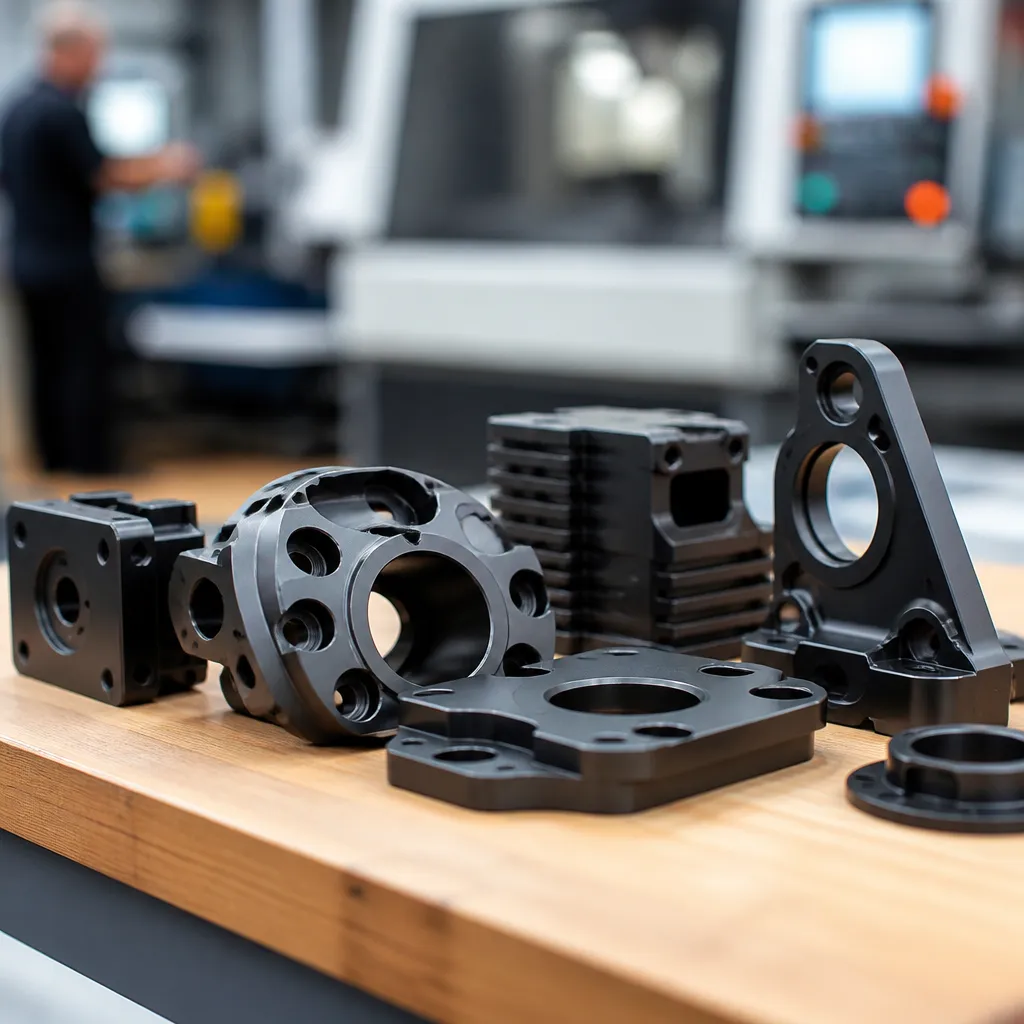
Hard-Anodized 6061 Aluminum Parts for Packaging Machines combine lightweight aluminum construction with a durable anodized surface. This combination is suited to custom packaging machine components such as structural mounts, brackets, knife holders, sealing plates, and guide blocks.
Properties of 6061 Aluminum Alloy
6061 aluminum is commonly selected for precision-machined packaging components where low weight, stable dimensions, and reliable structural performance are important. CNC machining supports accurate production of complex shapes and mounting features for filling machines, cartoning machines, tray sealers, flow wrappers, and conveyors.
Typical applications include:
- Structural mounts and brackets
- Sensor mounting blocks
- Knife holders and cutter seats
- Sealing plates and guide blocks
- Custom replacement components for packaging lines
Understanding the Type III Hard Anodizing Process
Type III hard anodizing creates a strengthened protective surface on machined aluminum components. The treatment can improve resistance to surface wear and help protect parts used in demanding industrial environments.
For packaging equipment, the finished component must be evaluated together with its drawing, functional surfaces, mating parts, and required tolerances. ZSCNC provides anodizing and other sanitary surface finishing options for custom CNC-machined parts based on the application requirements.
Hard Anodizing vs. Standard Sulfuric Anodizing
Hard anodizing is generally selected when a component requires greater surface durability than a standard decorative anodized finish can provide. Standard sulfuric anodizing may be used when appearance and basic surface protection are the primary requirements.
The appropriate finish depends on:
- Contact with moving or abrasive parts
- Cleaning and washdown conditions
- Required surface appearance
- Critical dimensions and fit
- Food-grade and sanitary finishing requirements
ZSCNC reviews the material, finish, drawing requirements, and production volume during its DFM process before preparing an itemized quotation.
Benefits of Hard-Anodized 6061 Aluminum for Packaging Equipment
Exceptional Wear and Abrasion Resistance
Hard anodizing creates a durable surface for components exposed to repeated contact, sliding, and abrasion. We use this finish for packaging machine mounts, brackets, cutter supports, and other parts that must maintain reliable performance during continuous operation.
Enhanced Corrosion Resistance Against Harsh Cleaners
Packaging equipment often requires regular washdown and cleaning. Hard-anodized 6061 aluminum provides added surface protection against corrosion and helps support sanitary maintenance in food and beverage production environments.
High Strength-to-Weight Ratio for High-Speed Automation
6061 aluminum offers a useful balance of strength and low weight. This makes it suitable for fast-moving components such as:
- Automation mounts and brackets
- Blade holders and cutter seats
- Conveyor guide supports
- Robotic and indexing equipment components
Lower component weight can help reduce mechanical load in high-speed packaging systems while maintaining the required structural function.
Improved Surface Hardness and Long Service Life
The anodized surface improves hardness and resistance to repeated handling, vibration, and contact with packaging materials. With accurate CNC machining and controlled finishing, we produce hard-anodized 6061 aluminum parts for packaging machines that support stable dimensions and consistent equipment operation.
Our custom anodized mounts and brackets for OEM packaging machines are produced for packaging equipment applications requiring durable, precise mounting components.
Common Applications in Packaging Machinery
Hard-anodized 6061 aluminum parts support the demands of automated packaging lines where low weight, accurate fit, and surface durability matter. We manufacture custom components for packaging, filling, cartoning, tray-sealing, flow-wrapping, and conveyor equipment.
Custom Anodized Manifolds and Valve Blocks
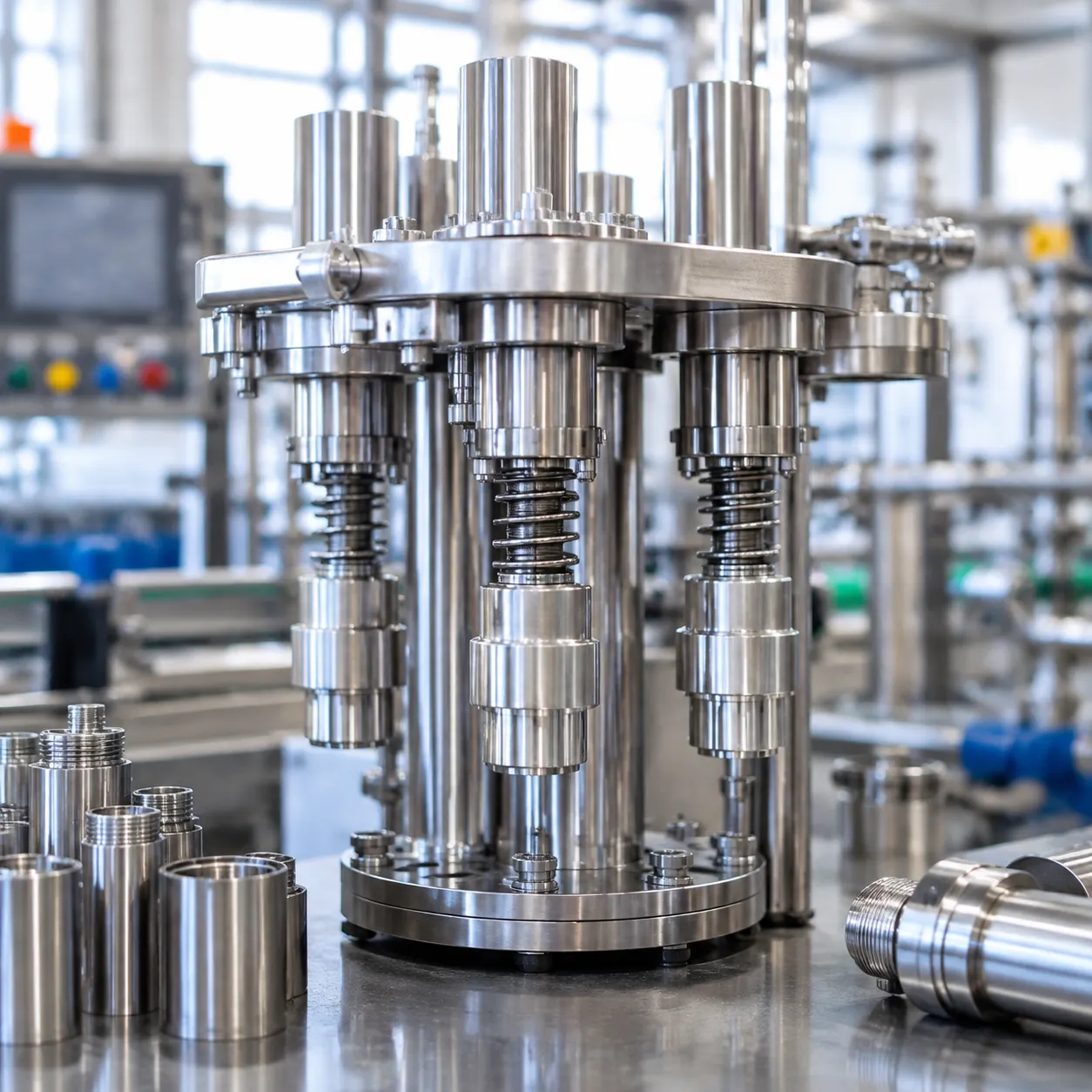
Custom CNC-machined valve manifolds and blocks help organize pneumatic or fluid connections in compact machine assemblies. Hard anodizing provides a durable surface finish for components that require clean machining, stable dimensions, and reliable mounting interfaces.
Conveyor Guides, Wear Strips, and Rails
Guide rails, wear parts, and support components must maintain accurate alignment during continuous operation. Hard-anodized 6061 aluminum offers a lightweight option for custom conveyor components, guide blocks, and mounting sections where abrasion resistance and dimensional stability are important.
Seal Jaws and Heat-Sealing Assemblies
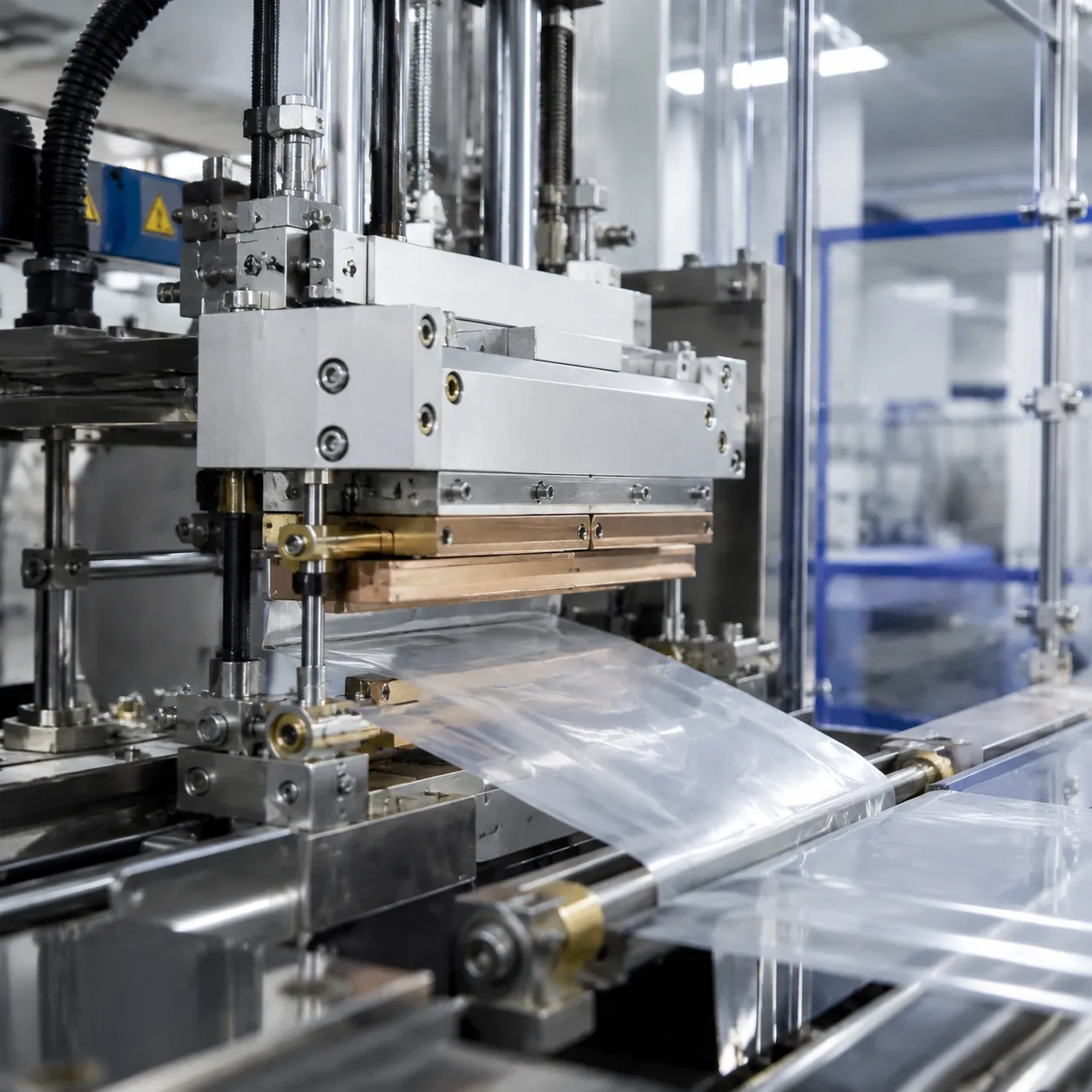
Seal jaws, sealing plates, and heat-sealing assemblies require precise geometry and consistent contact surfaces. We machine these components to match the equipment design, with surface finishing selected according to the application. Our custom sealing jaws and heat plates for tray sealers are produced for packaging machinery applications.
Robotic Arms and Automation Gripper Components
Lightweight brackets, gripper mounts, sensor holders, and structural components can help reduce the moving mass of automated equipment. We produce custom 6061 aluminum parts for robotic and food automation systems using CNC milling, turning, and multi-axis machining to achieve the required fit and repeatability.
Custom CNC Machining Services for Packaging Parts
Precision Milling and Turning Capabilities
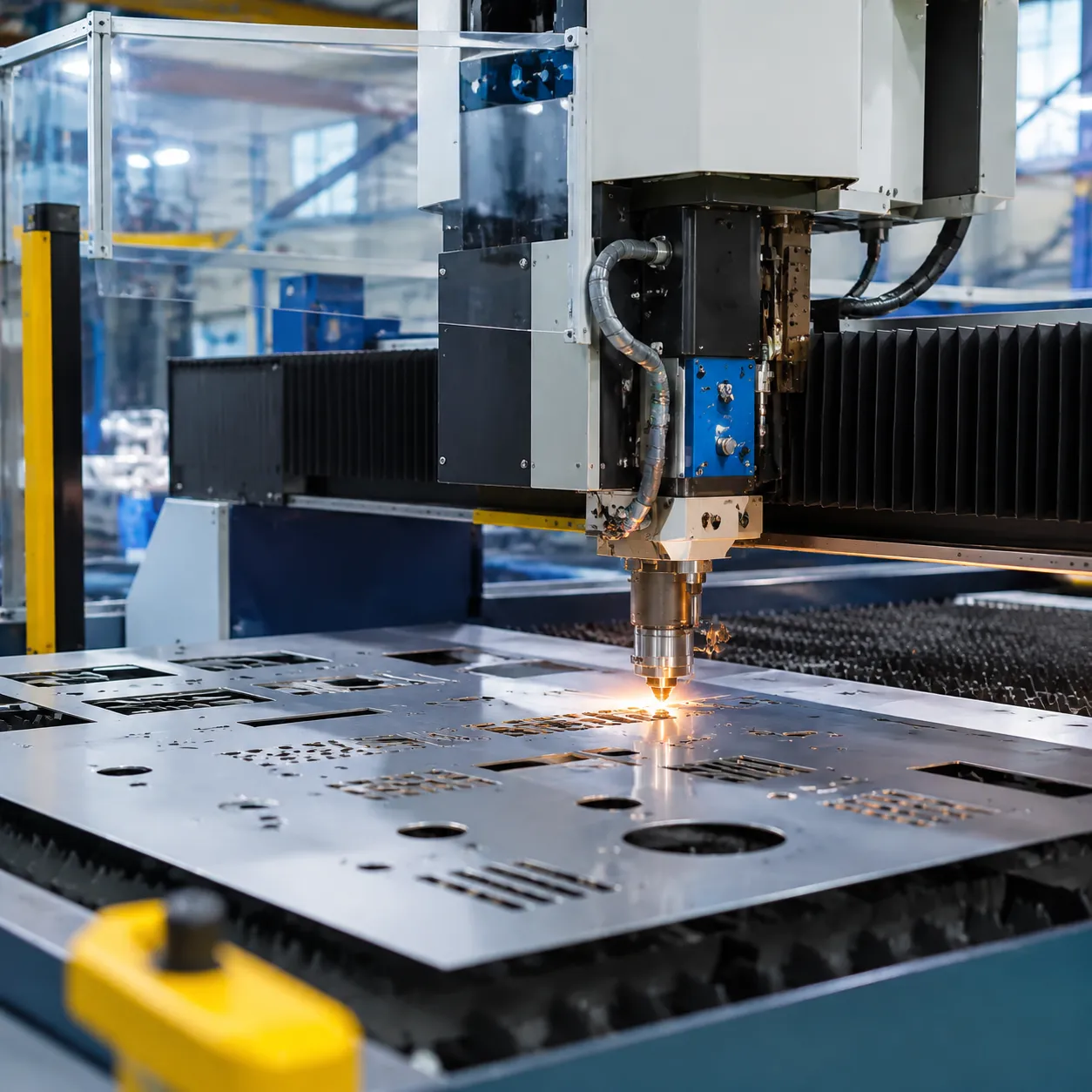
We manufacture custom hard-anodized 6061 aluminum parts for packaging machines through CNC milling, CNC turning, and multi-axis machining. Our capabilities support components such as:
- Structural mounts and brackets
- Knife holders and cutter seats
- Sealing modules and heat plates
- Guide rails and wear parts
- Valve manifolds and mounting blocks
For complex packaging components, our 5-axis CNC machining services for food machinery components help reduce setup changes and support accurate feature alignment.
Tight Tolerance Control for Critical Components
We control machining tolerances down to ±0.01 mm, depending on the component design, material, and inspection requirements. This supports stable fit and alignment in filling machines, cartoning machines, tray sealers, flow wrappers, and conveyors.
Each project can include:
| Quality step | Application |
|---|---|
| CMM inspection | Dimensional verification |
| IQC and OQC checks | Incoming and final quality control |
| Material mill certificates | Raw material traceability |
| Dimensional reports | Documented part approval |
| CAPA protocols | Corrective and preventive quality actions |
Surface Finishing and Custom Color Options
We select the surface finish according to the part function, hygiene requirements, and customer drawings. Available finishing capabilities include:
- Hard-coat anodizing
- Structural anodizing
- Sanitary surface finishing
- Food-grade polishing
- Passivation
- Electropolishing
Color and appearance requirements should be specified with the finish, component dimensions, and packaging machine application. This helps us review coating impact, masking areas, and final inspection requirements during the DFM process.
Design Guidelines for Hard-Anodized 6061 Parts
Accounting for Anodizing Coating Thickness in Tolerances
Hard anodizing adds a surface layer that can affect final dimensions. We account for the coating thickness when machining bores, shafts, mating faces, and other critical features. For packaging machine components requiring close fitment, share the functional dimensions and tolerance requirements in the CAD drawing so we can review them during the DFM process.
Radiuses and Edge Guidelines for Uniform Anodizing
Sharp edges can receive an uneven coating and may be more vulnerable during handling. We recommend suitable edge breaks and consistent radiuses where the design allows. These features support a more uniform surface finish on brackets, mounts, manifolds, and other custom CNC machined parts.
Thread and Blind Hole Design Considerations
Threads and blind holes require careful review because anodizing can affect fit and may collect treatment residue if the geometry is too deep or narrow. We assess thread sizes, hole depths, sealing faces, and masking requirements before production. This helps maintain reliable assembly and dimensional stability in hard-anodized 6061 aluminum parts for packaging machines.
Selecting a Manufacturer for Custom Packaging Components
Material Certification and Quality Assurance
I provide traceable material documentation for custom 6061 aluminum packaging components, supported by raw material mill certifications. Our quality process includes IQC and OQC inspections, CMM measurement, dimensional reports, and active CAPA procedures. This gives OEM customers a clear record of material and part quality for packaging and food processing equipment.
Rapid Prototyping to High-Volume Production
Our team completes a DFM engineering review within 24–48 hours after receiving 2D or 3D CAD files. We then support first-article prototype validation before moving to repeat or high-volume production. This workflow helps confirm fit, dimensions, and assembly requirements before a larger manufacturing run.
Cost-Effective CNC Machining Strategies
As a direct factory, I prepare itemized quotes based on the part drawing, 6061 aluminum requirements, hard-anodized surface finish, and production volume. CNC milling, turning, and 5-axis machining are selected according to the component design to control processing costs while maintaining the required precision. Our Shanghai and Wuxi manufacturing operations include more than 45 CNC machines, supporting stable production for global packaging equipment customers.
Frequently Asked Questions
Is Hard-Anodized 6061 Aluminum Suitable for Food Packaging Equipment?
Yes, hard-anodized 6061 aluminum can be used for custom packaging machine components when the material, surface finish, and design meet the equipment’s hygiene requirements. We support food-grade applications with material traceability, clean certifications, and sanitary finishing options for packaging and food processing equipment.
How Does Hard-Coat Anodizing Impact Dimensional Tolerances?
Hard-coat anodizing adds a protective surface layer, so coating thickness must be considered during CNC machining and inspection. We review these requirements during the DFM process and use dimensional inspection, including CMM reporting where required, to help maintain the specified fit and function. Our precision machining capability supports tolerances down to ±0.01 mm for suitable components.
What Colors Are Available for Hard-Anodized 6061 Components?
Colour availability depends on the specified anodizing process, component design, and application requirements. We confirm the available finish and colour options during the quotation and engineering review. Surface treatment requirements should be included with the CAD files or RFQ details.