Overview
Custom CF30 PEEK Wear Parts for Food Conveyor Systems
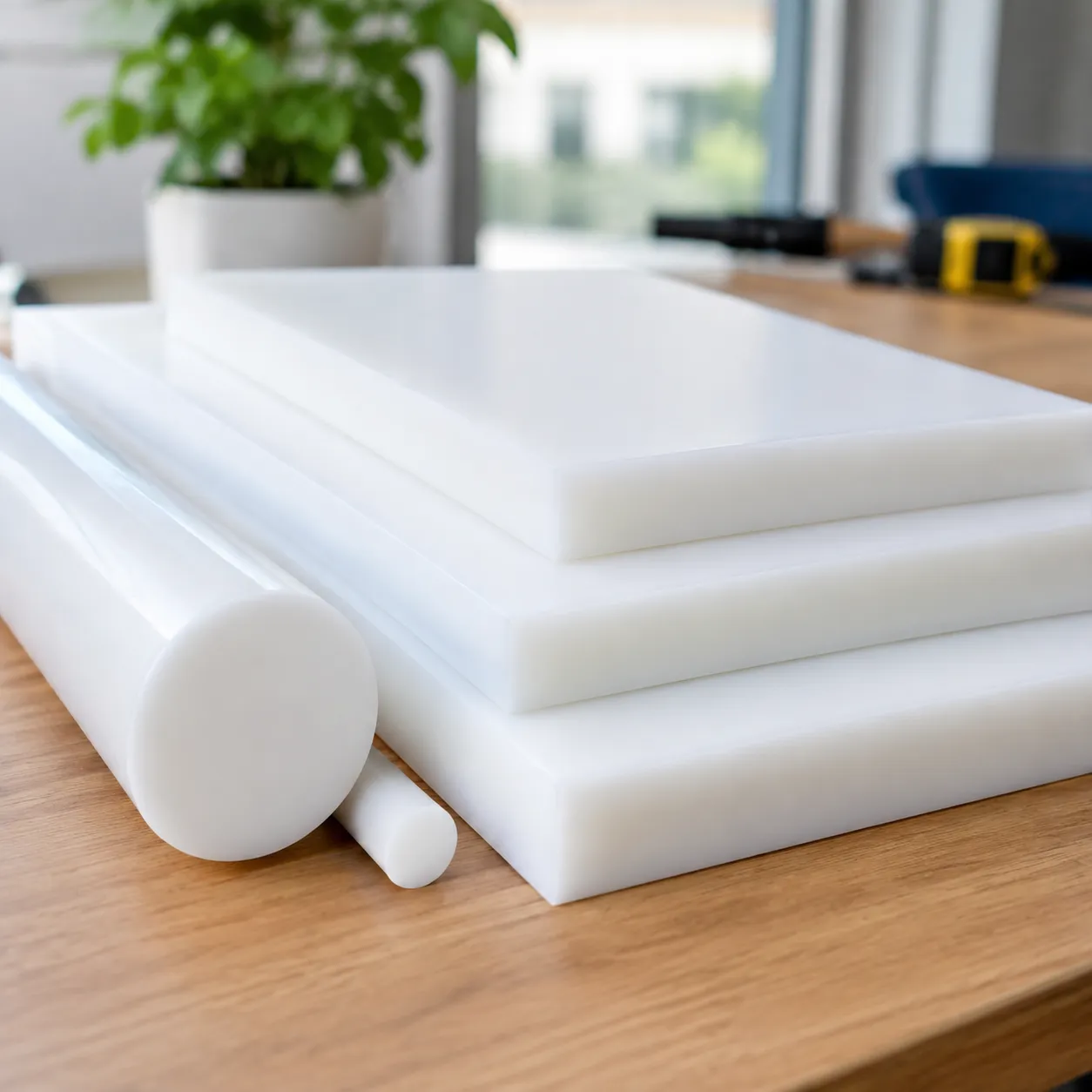
We manufacture high-performance 30% carbon-fiber-reinforced PEEK wear parts designed specifically for demanding food conveyor systems. By integrating 30% carbon fiber into premium PEEK resin, these PEEK conveyor wear parts deliver exceptional structural stiffness, low friction, and extreme resistance to mechanical wear and thermal stress. Engineered to replace traditional metal and unfilled plastic components, our custom CF30 PEEK machining solutions prevent downtime in continuous food processing and packaging lines.
Made to Customer Drawings and Existing Part Specifications
Every component is precision-crafted to match your exact CAD models, OEM prints, or worn physical samples. We process high-grade carbon fiber PEEK parts with strict dimensional control to ensure seamless integration into existing conveyor equipment.
| Parameter | Capability / Specification |
|---|---|
| Material Grade | 30% Carbon-Fiber-Reinforced PEEK (CF30 PEEK) |
| Manufacturing Process | Precision CNC Milling & CNC Turning |
| Dimensional Tolerance | Up to ±0.01 mm (0.0004 in) |
| Application Focus | Food conveyor wear parts, high temperature conveyor parts |
| Customization | Built directly to customer drawings, 3D CAD files, or physical samples |
Prototype, Replacement and Batch Production
Whether upgrading an active line or manufacturing components for new equipment builds, we offer flexible production schedules tailored to your operational requirements:
- Prototyping & R&D: Fast-turnaround sample production to validate mechanical fit, sliding performance, and wear resistance.
- Direct Replacement Parts: Precision-machined packaging conveyor replacement parts to eliminate OEM supply chain delays.
- Batch & Mass Production: High-consistency production runs ensuring identical tolerances across every PEEK wear component.
When Carbon-Fiber-Reinforced PEEK Is Used for Conveyor Wear Parts

Standard industrial plastics like UHMW-PE or POM work well for everyday material handling, but high-load food processing lines routinely push basic materials past their operational limits. We manufacture 30% carbon-fiber-reinforced PEEK wear parts for food conveyors specifically when production environments require superior thermal stability, extreme structural rigidity, and zero flex under heavy continuous loads.
High-Temperature Operating Conditions
Standard conveyor thermoplastics soften, creep, or deform in elevated thermal processing zones like industrial ovens, frying operations, and steam-cleaning tunnels.
- Continuous heat tolerance: Operates reliably in temperature environments reaching up to 250°C (482°F) without losing structural integrity.
- Low thermal expansion: Maintains tight dimensional tolerances, preventing component binding or expansion jams along high-temperature conveyor lines.
- Thermal endurance: If your production line operates in less extreme conditions, evaluating our UHMW-PE vs POM vs PEEK guide for food conveyors will help confirm whether high-temperature carbon fiber PEEK parts are necessary for your line.
Applications Requiring Higher Stiffness and Dimensional Stability
Adding a 30% carbon fiber fill to unfilled PEEK significantly elevates the material's flexural modulus and overall stiffness.
- Zero structural flex: Prevents guide rail deflection under heavy side loads, high belt tension, or rapid product direction changes.
- Precision component alignment: Ensures long-span sliding components and wear pads maintain flat, warp-free profiles over extended operational cycles.
- Resonance damping: The carbon fiber matrix helps absorb high-frequency machine vibrations, extending overall system service life.
Mechanically Loaded Conveyor Interfaces
Under aggressive sliding speeds and heavy mechanical loading, standard unfilled polymers face accelerated surface wear and localized frictional heating.
- High compressive strength: Withstands elevated surface contact pressures where softer engineering plastics suffer from creep or cold flow.
- Extended wear cycles: Minimizes maintenance downtime in primary drive zones and high-impact transfer interfaces.
- Combining high-load 30% carbon fiber PEEK wear parts at critical wear zones with durable food grade UHMW-PE guide rails and wear strips across standard sections optimizes overall equipment performance and cost.
Applications Where the OEM Drawing Specifies CF30 PEEK
For exact replacement projects or direct machine maintenance, strict compliance with original engineering documentation is essential to preserve equipment performance and warranties.
- Exact print compliance: We machine replacement wear components directly from customer CAD files and technical drawings specifying 30% carbon-fiber-filled PEEK.
- Verified material specs: Every component is machined using certified material stock to meet or exceed original equipment manufacturer performance standards.
CF30 PEEK Conveyor Components We CNC Machine
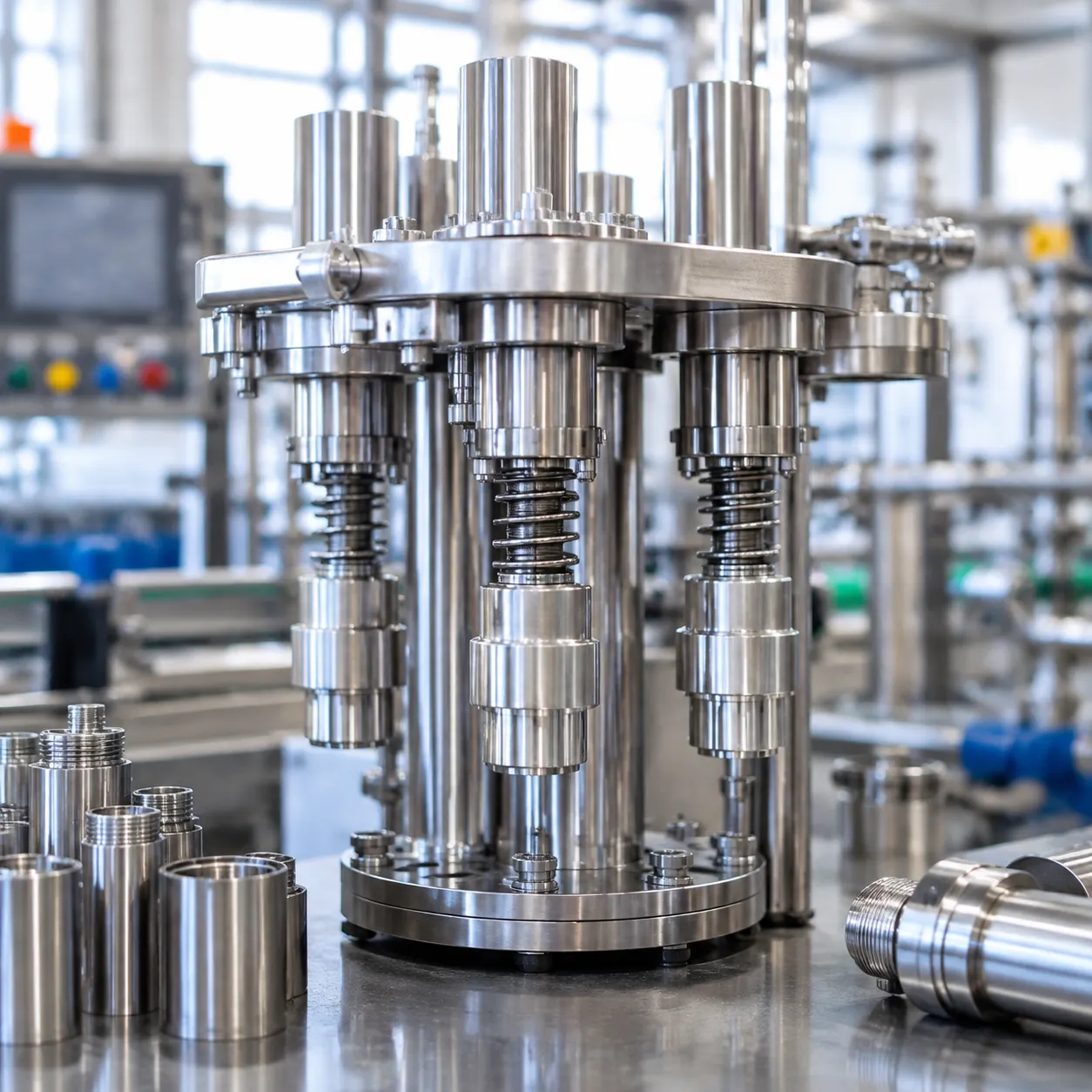
We specialize in precision CNC machining of 30% carbon-fiber-reinforced PEEK wear parts designed for high-load, high-temperature food conveyor environments. Our facility transforms raw stock into tight-tolerance components engineered to outlast standard polymers on active production lines.
Wear Pads, Guide Blocks and Sliding Components
High-speed conveyor lines demand maximum rigidity along sliding surfaces. We manufacture custom wear pads, curved side guides, and linear tracks built to withstand continuous friction under load. For specialized line setups, we also deliver tailored solutions like pet food wear tracks to keep processing equipment running smoothly without premature wear.
- Linear Wear Strips: Machined with optimized surface finishes to reduce drag.
- Curved Chain Guides: Custom-routed to maintain tight chain engagement under lateral forces.
- Sliding Pads: High dimensional stability prevents swelling or binding during thermal cycles and washdowns.
Bushings, Spacers and Support Components
Standard plastics deform under heavy mechanical stress. We machine CF30 PEEK bushings, thrust washers, and structural spacers that retain their shape under high radial and axial loads.
| Component Type | Key Machining Focus | Main Operational Benefit |
|---|---|---|
| Journal Bushings | Precision inner/outer bore tolerances | Maintains shaft alignment under continuous rotation |
| Thrust Spacers | Parallel surface milling | Resists creep and flattening under axial loads |
| Roller Supports | Concentric turning | Delivers smooth rotation without dynamic wobble |
Custom Guide and Machine Interface Components
We translate complex CAD models into precision machine interface components. From custom transfer plates to specialized mounting blocks, our multi-axis CNC milling capabilities easily handle intricate geometries, tight hole patterns, and critical mounting features in CF30 PEEK.
Replacement Parts for Existing Conveyor Equipment
When OEM components wear out, we provide exact-fit drop-in replacements based on your existing technical drawings or sample parts.
- Direct OEM Upgrades: Replace short-lived standard plastic wear parts with CF30 PEEK to extend service intervals.
- Reverse Engineering: Precise part replication from physical samples to minimize downtime.
- Batch Consistency: Exact dimensional repeatability across single prototypes and high-volume replacement batches.
Engineering Characteristics of 30% Carbon-Fiber PEEK

30% carbon-fiber PEEK (CF30 PEEK) delivers enhanced mechanical performance for high-load, continuous-duty food conveyor wear parts operating beyond the limits of standard engineering polymers.
Stiffness and Strength Compared With Unfilled PEEK
Adding 30% chopped carbon fiber reinforcement fundamentally alters the mechanical profile of standard resin, creating extremely rigid PEEK conveyor components.
| Mechanical Property | Unfilled PEEK | 30% Carbon-Fiber PEEK | Benefit for Conveyor Components |
|---|---|---|---|
| Tensile Strength | ~100 MPa | ~220 MPa | Higher load-carrying capacity without structural failure |
| Flexural Modulus | ~4.1 GPa | ~13.0 GPa | Minimizes bending and flex under high chain loads |
| Deflection Temp (1.8 MPa) | ~150°C | ~315°C | Retains structural shape near extreme heating zones |
| Creep Resistance | Moderate | Superior | Maintains dimensions during long, continuous production runs |
- Increased Rigidity: Prevents sag and flexing across wide wear bed spans and unsupported track sections.
- Impact Resistance: Handles sudden line stops, startup torque, and dynamic impact from heavy product containers.
- Fatigue Strength: Resists micro-cracking and deformation under constant cyclic mechanical loads.
Dimensional Stability Under Mechanical and Thermal Loads
Reinforcing PEEK resin with carbon fiber significantly lowers the material's Coefficient of Thermal Expansion (CTE), ensuring high-temperature conveyor parts stay within specified tolerances.
- Controlled Expansion: Eliminates track buckling, pinching, or binding during rapid oven-to-cool down thermal cycles.
- Tight Machining Tolerances: Maintains exact guide clearances and mounting hole alignments under severe load variations.
- Vibration Absorptive: Structural stiffness suppresses chatter along high-speed bottle and can conveyor lines.
Temperature and Chemical-Resistance Considerations
30% carbon fiber PEEK maintains the core chemical inertness and heat tolerance of the base PEEK matrix while improving thermal dissipation across sliding interfaces.
- Continuous Thermal Range: Operates reliably at continuous service temperatures up to 250°C (480°F).
- CIP Washdown Resistance: Ignores caustic soda, acidic sanitizers, and aggressive CIP washdown chemicals.
- Zero Hydrolysis: Withstands direct contact with high-pressure saturated steam without degrading or swelling.
Why CF30 PEEK Is Not Necessary for Every Conveyor Application
Despite its exceptional strength and thermal ratings, CF30 PEEK is an advanced material choice that should be applied selectively based on real operating requirements.
- Higher Material Cost: Unnecessary for light-duty guide tracks or room-temperature bottle transport lines where standard polymers perform reliably.
- Counter-Surface Abrasion: Embedded carbon fiber ends can act as micro-abrasives on softer mating surfaces like aluminum or unhardened stainless steel.
- Specific Wear Conditions: In low-load or lubricated liquid environments, unfilled or tribologically modified PEEK grades may offer lower friction coefficients at a better price point.
Wear and Friction Considerations in CF PEEK Components
Why Carbon-Fiber Reinforcement Does Not Guarantee Low Wear in Every Interface
While 30% carbon-fiber-reinforced PEEK offers exceptional rigidity and mechanical strength, adding carbon fiber does not automatically make it a lower-friction material for every sliding surface. Microscopic fiber ends exposed at the contact surface can act as mild abrasives against softer mating metals like untreated stainless steel or aluminum. In food conveyor wear parts, selecting 30% carbon fiber PEEK requires evaluating both components in the contact pair to avoid premature counter-face erosion.
Mating Surface, Load and Sliding-Speed Considerations
Optimizing sliding wear requires matching the material properties of custom PEEK parts to the operating conditions:
- Mating Hardness: Hardened stainless steel or hard-coated shafts deliver the lowest wear rates when running against PEEK wear components.
- Pressure-Velocity (PV) Limits: Elevated mechanical loads paired with continuous sliding speeds increase the pressure-velocity profile, accelerating surface degradation.
- Surface Finish: A smooth mating counter-surface (typically Ra 0.2 to 0.4 µm) prevents microscopic mechanical interlocking and friction spikes.
Friction, Heat Generation and Lubrication Conditions
Friction continuously generates localized thermal energy at high-speed sliding interfaces. In unlubricated environments, thermal accumulation reduces the mechanical boundary threshold of carbon fiber PEEK parts. However, in wet processing systems or areas designed around drainage and seal lands in washdown bearing housings, liquid presence acts as a thermal heat sink and boundary lubricant, extending the operational life of high temperature conveyor parts.
Why Application Testing May Be Required for Critical Wear Interfaces
Because theoretical PV values cannot account for every line variable—such as washdown chemical exposure, particulate contamination, and duty cycles—we recommend running prototype validation tests on high-load interfaces. Subjecting sample CF30 PEEK machining prototypes to actual conveyor speeds and load profiles ensures long-term operational consistency before moving into full production runs.
CNC Machining of CF30 PEEK Wear Parts
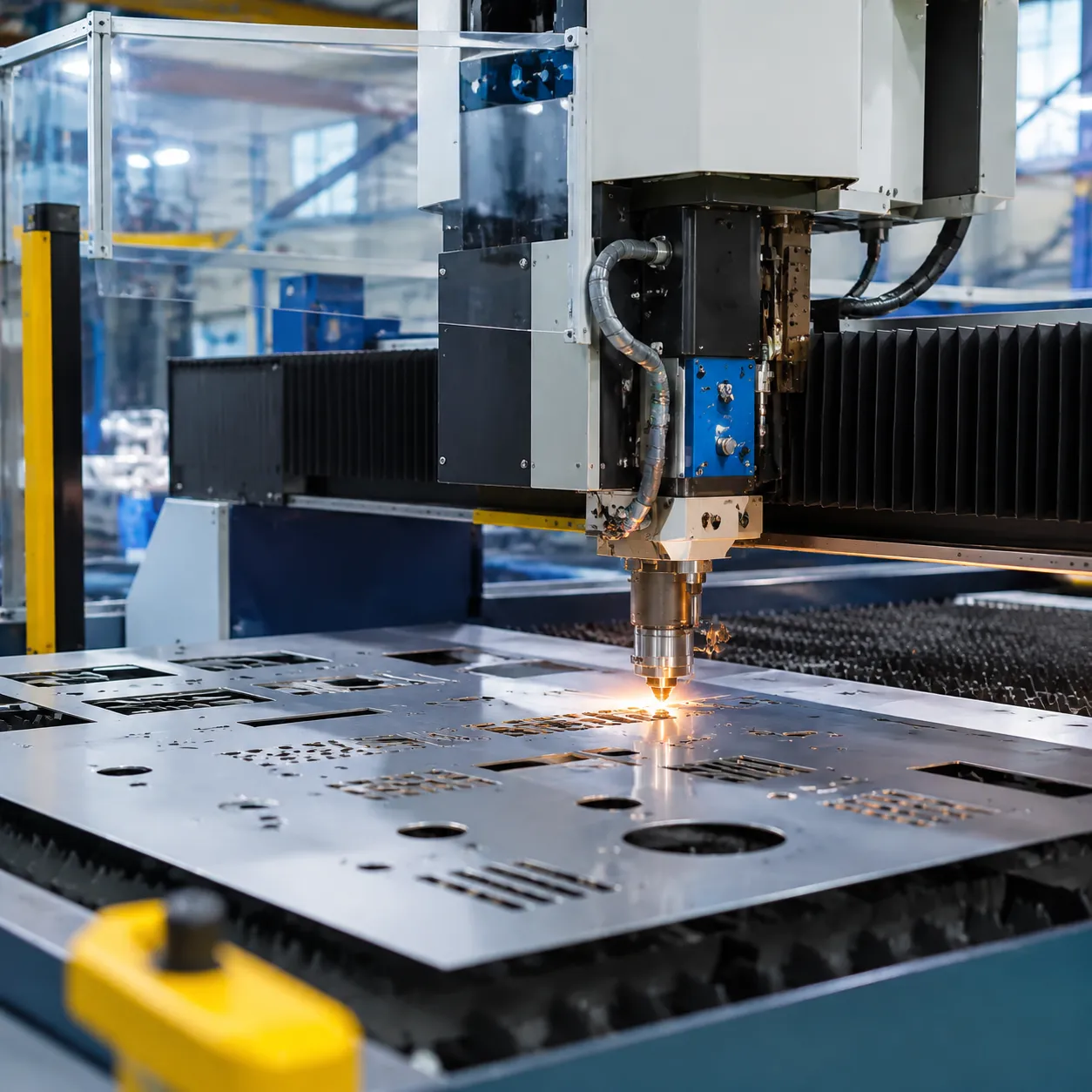
Machining 30% carbon-fiber-reinforced PEEK requires strict process control to overcome abrasive tool wear, thermal expansion, and mechanical stress. We precision-machine custom carbon fiber PEEK parts to match exact engineering specifications and maintain high repeatability across production batches.
Milling and Turning Carbon-Fiber-Reinforced PEEK
Cutting CF30 PEEK differs significantly from unreinforced polymers because embedded carbon fibers make the material extremely abrasive. We utilize high-rigidity CNC milling centers and lathes with optimized tool paths to cleanly shear fibers, preventing material delamination, fiber pull-out, or edge chipping on custom high-performance wear parts.
Managing Tool Wear From Carbon-Fiber Reinforcement
Carbon fiber reinforcement accelerates cutting edge degradation. Standard tooling quickly loses its edge, leading to poor surface finishes and dimensional drift. We select cutting tools based on feature complexity and production volume:
| Tooling Material | Wear Resistance | Machining Application |
|---|---|---|
| Micro-Grain Carbide | Moderate | Short runs, complex geometries, and roughing cuts |
| Coated Carbide (TiAlN/Diamond-Like) | High | Medium batch production and detailed finishing |
| PCD (Polycrystalline Diamond) | Extremely High | Long production runs and critical tolerance features |
Controlling Heat and Machining-Induced Deformation
PEEK has lower thermal conductivity than metals, meaning heat generated by carbon fiber friction stays in the cutting zone. Uncontrolled thermal buildup causes local expansion, leading to undersized features once the component cools.
- Air-Blast Cooling: Keeps the cutting zone temperature stable without introducing liquid coolant contamination when dry-spec parts are required.
- Multi-Pass Stress Relief: Machining in balanced passes allows internal stress release before final finishing operations.
- Optimized Cut Depth: Maintaining constant chip load prevents tool rubbing and friction-induced heat buildup.
Bores, Fits, Thin Sections and Critical Features
Precision conveyor components require tight tolerances on bearing seats, guide channels, and mounting faces.
- Bores and Bushing Fits: Precision boring operations hold tolerances down to ±0.012 mm for exact press-fit alignments.
- Thin-Walled Profiles: Step-machining strategies support thin wall sections to avoid deflection under cutting pressure.
- Micro-Deburring: Specialized finishing routines cleanly remove micro-burrs and loose fibers along slot edges and chamfers.
Dimensional Control and Inspection
We enforce strict quality standards during and after machining to ensure every 30% carbon-fiber-reinforced PEEK wear part meets your exact tolerances.
Critical Fits, Thicknesses and Guide Surfaces
Machining high-precision CF30 PEEK wear parts requires precise thermal management to prevent tool-induced stress and dimensional drift across critical contact surfaces.
| Feature Type | Typical Inspection Tolerance | Key Measurement Tool |
|---|---|---|
| Bore Fits & Bushings | ±0.012 mm to ±0.025 mm | Pin Gauges / CMM |
| Guide Surface Flatness | ≤0.05 mm | Surface Plate / Optical CMM |
| Wear Pad Thickness | ±0.03 mm | Digital Micrometer |
Datum and Geometric Feature Verification
Carbon fiber reinforcement increases material stiffness, but improper clamping during CNC machining can induce hidden strain. We verify all primary datums, true position, and parallelism across long slide tracks after final stress relief to prevent binding during conveyor installation.
Batch Consistency for Replacement Wear Components
For packaging conveyor replacement parts, every repeat order must match OEM drawing specifications exactly. We maintain tight process controls to eliminate lot-to-lot variance:
- Material Lot Traceability: Every production run is matched to certified raw material batches.
- Tool Wear Offsets: Automated dimensional checks offset cutting tool wear caused by abrasive carbon fibers.
- First-Article Inspection (FAI): Complete dimensional verification before launching batch production.
When upgrading high-wear conveyor sections or evaluating materials like POM vs UHMW-PE for bottle neck guides, switching to precision CNC machined PEEK parts guarantees stable dimensional performance under heavier mechanical loads.
Inspection to Customer Drawing Requirements
We validate all food conveyor wear parts against your engineering drawings and CAD models using calibrated inspection equipment.
- Full CMM inspection reports
- Certificates of Conformance (CoC)
- Material Test Reports (MTR) verifying 30% carbon fiber PEEK grade specifications
Food-Processing Application and Material Compliance
Why PEEK Grade and Compound Must Be Identified
Not all carbon-fiber-reinforced polymers are created equal. When machining 30% carbon-fiber-reinforced PEEK wear parts for food conveyors, identifying the exact compound and resin origin is essential. Carbon fiber additives vary by raw material supplier, affecting both mechanical performance and regulatory status. We verify exact resin origins and formulation details for all custom PEEK materials before machining to guarantee material integrity.
Food-Contact Requirements Depend on the Specific Material Grade
Direct food-contact compliance depends strictly on the base resin and additive package. While natural unfilled PEEK widely meets FDA and EU 10/2011 regulations, adding 30% carbon fiber can alter regulatory approval depending on the specific filler grade.
| Material Grade | Typical Food-Contact Status | Ideal Conveyor Application |
|---|---|---|
| Unfilled PEEK | FDA & EU 10/2011 Compliant | Direct food contact, low-load wear strips, guide rails |
| Specialty CF30 PEEK | FDA Compliant (Select Resin Brands) | High-temp, high-load wear parts & splash-zone components |
| Standard Industrial CF30 PEEK | Non-Direct Food Contact | External drive components, mechanical linkages, heavy structural mounts |
For components used in the food processing industry, we evaluate operating zones to match the required compliance grade to your exact line environment.
Material Documentation According to Customer Requirements
Complete material traceability keeps your manufacturing line compliant and audit-ready. We supply full documentation packages for every batch of CNC machined CF30 PEEK wear components:
- Certificates of Conformance (COC): Validates that parts match requested material specifications and drawing callouts.
- Raw Material Mill Test Reports: Lot-traceable resin documentation directly from raw material manufacturers.
- Dimensional Inspection Reports: Verification of critical tolerances, fits, and surface features prior to shipment.
Ordering Custom CF30 PEEK Conveyor Parts from ZSCNC
At ZSCNC, we simplify the process of ordering custom 30% carbon-fiber-reinforced PEEK wear parts for food conveyors. To ensure maximum precision, tool life, and operational efficiency, providing key design and environment data allows us to quote and machine your components accurately.
Provide Drawing, CAD Model and Material Specification
To initiate your CF30 PEEK machining project, share your technical files directly with our engineering team:
- 2D Drawings: PDF, DXF, or DWG files specifying critical tolerances, surface finishes, bores, and datum references.
- 3D CAD Models: STEP or IGES files for precise 5-axis CNC programming.
- Material Callout: Explicitly specify 30% carbon fiber PEEK along with any exact resin grades or food-contact documentation needs.
Specify Operating Temperature, Load and Contact Conditions
While carbon fiber PEEK parts handle demanding loads and heat, sharing exact working conditions lets us optimize tolerances and fit for your custom conveyor components.
| Working Parameter | Information Needed |
|---|---|
| Temperature Range | Continuous operating temperature and peak thermal exposure |
| Mechanical Stress | Continuous load, PV values, and linear sliding speeds |
| Mating Surface | Counter-face material (e.g., 304/316 stainless steel), hardness, and finish |
| Operating Environment | Dry running, washdown chemicals, or lubricated contact conditions |
Prototype, Replacement and Batch Production Requirements
We align our production capabilities with every stage of your equipment lifecycle:
- Prototypes: Rapid-turnaround sample components to verify wear characteristics and fit prior to full implementation.
- Packaging Conveyor Replacement Parts: On-demand machining to duplicate worn OEM parts from customer drawings or physical samples.
- Batch Production: High-volume CNC production with tight dimensional control, full material traceability, and consistent batch quality.