Struggling to eliminate bacterial risks and cross-contamination on your processing line? In meat preparation, a single microscopic gap in your machinery can compromise product shelf life and trigger catastrophic recall risks.
That’s why understanding how crevice-free blade blocks improve meat hygiene is a total game-changer for modern plant managers.
In this guide, you’ll discover how upgrading to crevice-free blade blocks eliminates biofilm formation, ensures strict FDA compliance and EHEDG guidelines, and drastically slashes cleaning downtime to boost your bottom line.
Let’s dive right in!
The Critical Role of Hygiene in Meat Processing
Maintaining strict biological control during meat preparation is non-negotiable. Modern high-speed meat processing lines require uncompromising sanitary design to safeguard consumers, satisfy stringent global regulatory standards, and preserve operational integrity.
Bacterial Risks in Meat Preparation
Raw protein processing environments inherently provide optimal conditions for rapid microbial proliferation. Without continuous contamination control, dangerous pathogens quickly colonize processing machinery:
- Pathogen Proliferation: Virulent bacteria such as Listeria monocytogenes, Salmonella, and E. coli thrive in moist, nutrient-rich environments.
- Biofilm Formation: Unchecked bacterial colonies adhere to equipment surfaces, forming resilient extracellular matrices that resist standard chemical sanitizers.
- Rapid Spoilage: Elevated microbial counts accelerate protein breakdown and lipid oxidation, causing early product degradation.
Hazards of Cross-Contamination
Machinery surfaces act as primary vectors for cross contamination across successive production runs. Equipment with hidden dead spots or structural dirt traps severely compromises the sanitation workflow:
- Batch-to-Batch Transfer: Residual organic matter trapped within mechanical assemblies acts as a continuous source of re-infection for fresh meat cuts.
- Mechanical Dispersion: High-speed cutting tool vibrations spread microscopic contaminants across clean preparation zones.
- Sanitization Resistance: Traditional cleaning solutions fail to penetrate micro-cavities, allowing entrenched bacterial reservoirs to survive daily washdowns.
Impact on Product Shelf Life and Safety
Systemic bacterial contamination directly threatens consumer health and facility profitability. Ineffective hygiene protocols create immediate operational risks:
| Risk Factor | Operational Consequence |
|---|---|
| Reduced Shelf Life | Accelerated spoilage causes off-odors, discoloration, and reduced retail viability. |
| Food Safety Violations | Pathogen outbreaks trigger severe regulatory penalties, line shutdowns, and health warnings. |
| Financial Loss | Uncontained cross contamination leads to costly product recalls and severe brand damage. |
What Are Crevice-Free Blade Blocks?
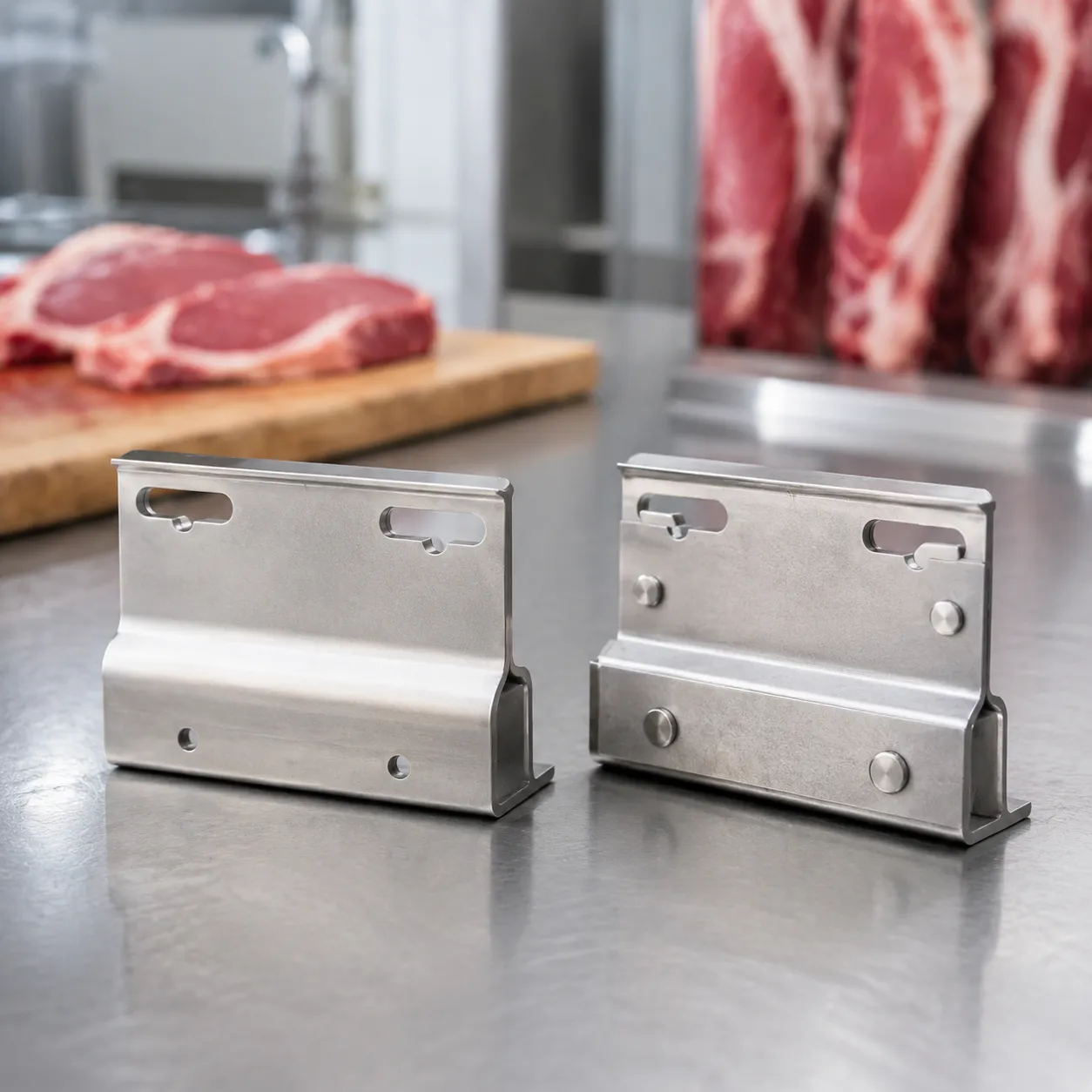
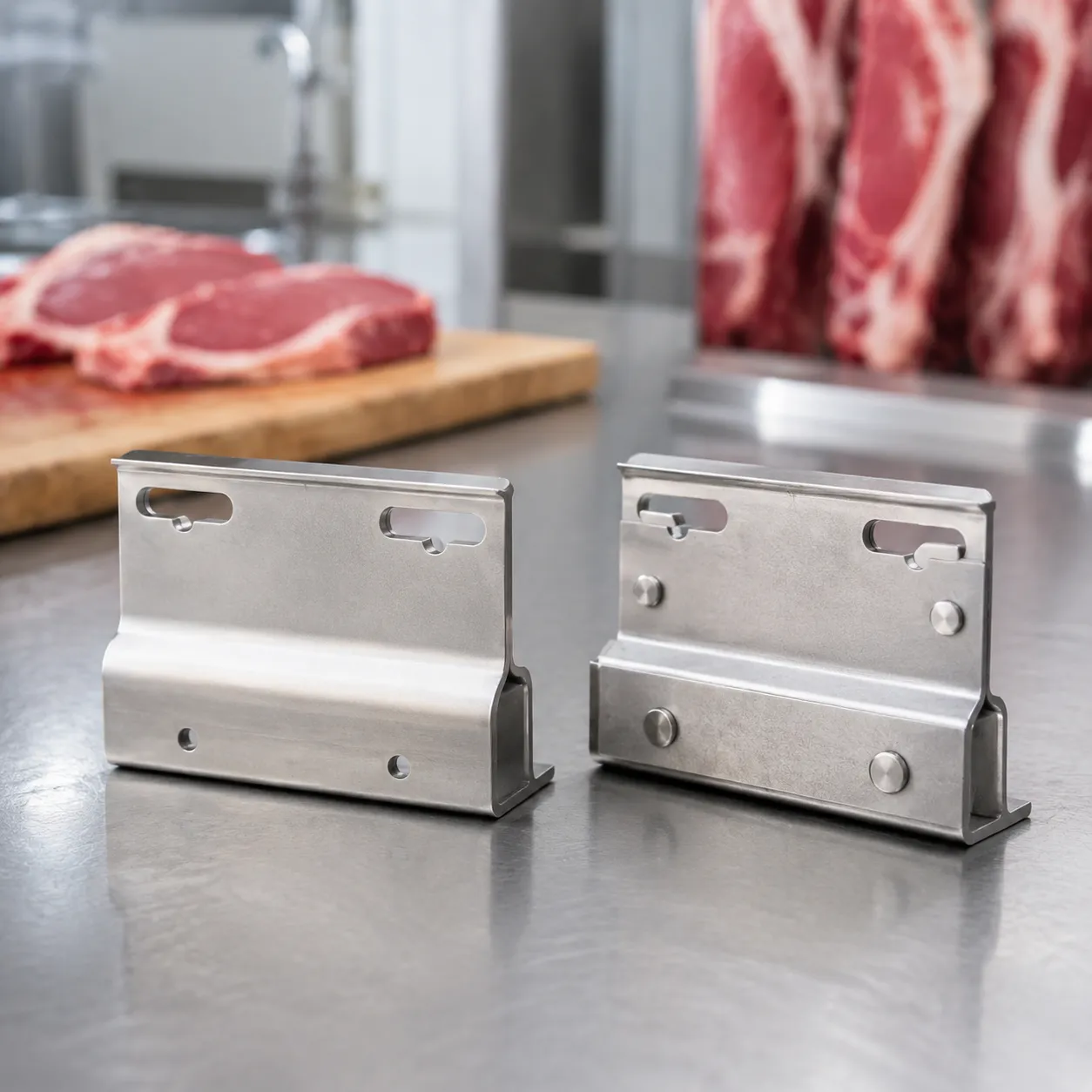
When we analyze how crevice-free blade blocks improve meat hygiene, we are looking at a fundamentally superior way to engineer modern processing equipment. Crevice-free blade blocks are precision-engineered holders designed without open seams, exposed threads, or tight internal gaps where raw organic matter can hide. By creating a continuous, monolithic structure, these components remove the microscopic pockets that usually harbor bacteria in commercial meat lines.
Core Hygienic Design Principles
Sanitary design relies on eliminating places where organic debris can settle. We build our equipment around three non-negotiable principles:
- Zero Dead Spots: Replacing sharp internal 90-degree corners with smooth, rounded radii so fluids drain completely.
- Continuous Seamless Surfaces: Replacing layered bolted plates with single-piece CNC machining or fully ground, polished welds.
- Ultra-Low Surface Roughness: Polishing stainless surfaces to achieve a smooth Ra finish below 0.8 µm, preventing microscopic meat fibers and fats from sticking.
Traditional vs. Crevice-Free Blade Holder Construction
The difference between standard mounts and hygienic blade blocks comes down to structural integration and cleanability.
| Design Feature | Traditional Blade Holders | Crevice-Free Blade Blocks |
|---|---|---|
| Assembly Method | Multi-piece layered plates fastened with screws | Single-piece CNC machined or continuous welded |
| Fastener Exposure | Exposed threads, hex heads, and counter-bores | Sealed mounting or internal locking mechanisms |
| Dirt Traps | High risk of fluid entrapment between joints | Zero internal voids, seams, or micro-gaps |
| Sanitation Workflow | Needs partial disassembly and intense scrubbing | Fast spray-downs with total surface coverage |
Integrating high-performance 316L slicer blade blocks for meat processing into high-speed slicing equipment ensures that daily washdown routines reach every square millimeter of the tool assembly without tear-downs.
Food-Grade Material Options and Stainless Steel Alloys
Material selection is just as vital as geometric design. In heavy-moisture, high-salinity meat processing facilities, choosing the right metal prevents pitting corrosion before it forms new bacterial harborages.
- AISI 316L Stainless Steel: The gold standard for structural components due to its high molybdenum content, delivering exceptional resistance to harsh cleaning chemicals, organic acids, and salt solutions.
- 440C Martensitic Stainless Steel: Utilized for high-wear cutting edges where edge retention, extreme hardness, and structural rigidity are essential.
- Food-Grade Engineered Polymers: Applied in specific low-friction spacers and non-stick inserts that feature zero fluid absorption.
Choosing certified food-grade stainless steel materials guarantees that your cutting assemblies withstand rigorous daily sanitization cycles without pitting, scaling, or degrading over time.
How Crevice-Free Blade Blocks Enhance Meat Hygiene
We design crevice-free blade blocks to directly address the toughest food safety challenges in meat processing operations. By removing structural seams and hardware gaps, these engineered components transform your cutting stations from potential liability zones into reliable sanitary control points.
Elimininating Bacterial Traps and Biofilm Formation
Traditional knife mounts rely on complex multi-piece designs that create microscopic dirt traps and hidden dead spots. Over time, raw meat particles settle into these gaps, giving dangerous pathogens a safe place to hide and form stubborn biofilms.
- Smooth Surface Geometry: Maintaining a ultra-low surface roughness rating prevents organic residue from clinging to the block.
- Biofilm Defense: Eliminating structural micro-gaps starves bacteria like Listeria and Salmonella of the harborage areas they need to anchor and multiply.
- Consistent Food Safety: Smooth, seamless surfaces maintain a high level of hygiene across high-volume production runs.
Preventing Moisture and Fluid Infiltration
Meat processing environments subject cutting equipment to continuous exposure from blood, animal fats, moisture, and high-pressure washdown water. Standard assemblies allow these liquids to creep into internal threads and joint interfaces, causing hidden spoilage.
- Solid Fluid Barriers: Fully sealed, crevice-free construction forms an impenetrable barrier against fluid seepage.
- Zero Seam Seepage: Fluids cannot penetrate internal cavities, stopping foul odors and internal corrosion before they start.
- Cross Contamination Safeguards: Preventing internal liquid pooling eliminates hidden reservoirs that could drip back onto clean meat products during operation. Utilizing properly engineered sanitary knife holders and cutter seats ensures fluids run right off without penetrating the inner drive assembly.
Enabling Faster and More Effective Cleaning Processes
A modern sanitary design shouldn't just meet hygiene compliance—it should streamline your entire daily sanitation cycle.
- Direct Chemical Access: Without recessed screw heads or overlapping plates, foam detergents and sanitizers reach 100% of the surface area instantly.
- Effortless Washdowns: High-pressure rinse water easily flushes away debris without requiring manual disassembly or tedious hand-scraping.
- Optimized Sanitation Workflow: Faster cleaning cycles shorten your daily washdown windows, allowing your plant to return to active production quickly without compromising safety.
Key Industry Standards and Certifications
Meeting international regulatory benchmarks is non-negotiable in meat processing. We engineer our crevice-free blade blocks to exceed global compliance criteria, giving you absolute confidence in audit readiness and operational hygiene.
FDA Compliance for Food Contact Materials
Every material used in our crevice-free blade blocks strictly complies with FDA requirements for direct food contact.
- Non-Toxic Metallurgy: Built using high-grade, non-porous stainless steel components that won't chip or pit.
- Chemical Resistance: Materials endure harsh sanitizing agents without leaching or surface degradation.
- Zero Contamination Risk: Maintains uncompromising food safety standards during high-volume production.
EHEDG Guidelines for Hygienic Machinery Design
We follow European Hygienic Engineering & Design Group (EHEDG) principles to guarantee seamless sanitary design across your entire processing line.
- Eliminating Dead Spots: Smooth, continuous radii stop organic debris from building up in dead spots.
- Zero Dirt Traps: Seamless joints ensure there are no dirt traps where bacterial contamination can hide.
- Validated Design: Adhering to key hygienic knife holder criteria for meat processing guarantees total compliance with EHEDG guidelines.
3-A Sanitary Standards for Processing Equipment
Our crevice-free blade blocks adhere to rigorous 3-A Sanitary Standards, prioritizing rapid cleanability and mechanical execution.
- Optimized Surface Roughness: Low surface roughness prevents micro-scratches where pathogens attach.
- Self-Draining Geometry: Fluids run off completely, stopping standing water after washdowns.
- Effortless Sanitation Workflow: Simplifies your daily sanitation workflow and slashes downtime.
- Additional Operational Advantages for Meat Plants
Upgrading to crevice-free blade blocks goes beyond meeting baseline food safety compliance—it directly optimizes your plant's bottom line. When we eliminate hard-to-clean dead spots from our slicing and cutting machinery, we see immediate improvements in processing efficiency, overall equipment longevity, and brand protection.
Reducing Maintenance and Cleaning Downtime
Traditional knife assemblies with deep threads and gaps require manual teardowns and aggressive scrub cycles that stall production lines. Crevice-free designs streamline your daily sanitation workflow and keep machines running longer.
- Faster Washdowns: Smooth, continuous surfaces allow sanitation teams to flush away residue rapidly without disassembling complex blade blocks.
- Lower Chemical and Water Usage: Seamless geometry means fewer harsh chemical soaking cycles, saving operational costs during daily cleanup.
- Higher Overall Equipment Effectiveness (OEE): Reduced turnarounds between production shifts translate directly into higher daily throughput.
Improving Equipment Durability and Corrosion Resistance
Sanitary design and high-grade stainless steel components work together to extend the operational lifecycle of cutting hardware. When moisture cannot pool inside hidden seams, structural integrity remains intact over years of heavy use.
| Durability Factor | Standard Blade Blocks | Crevice-Free Blade Blocks |
|---|---|---|
| Moisture Trapping | High (leads to crevice corrosion) | Zero (engineered continuous joints) |
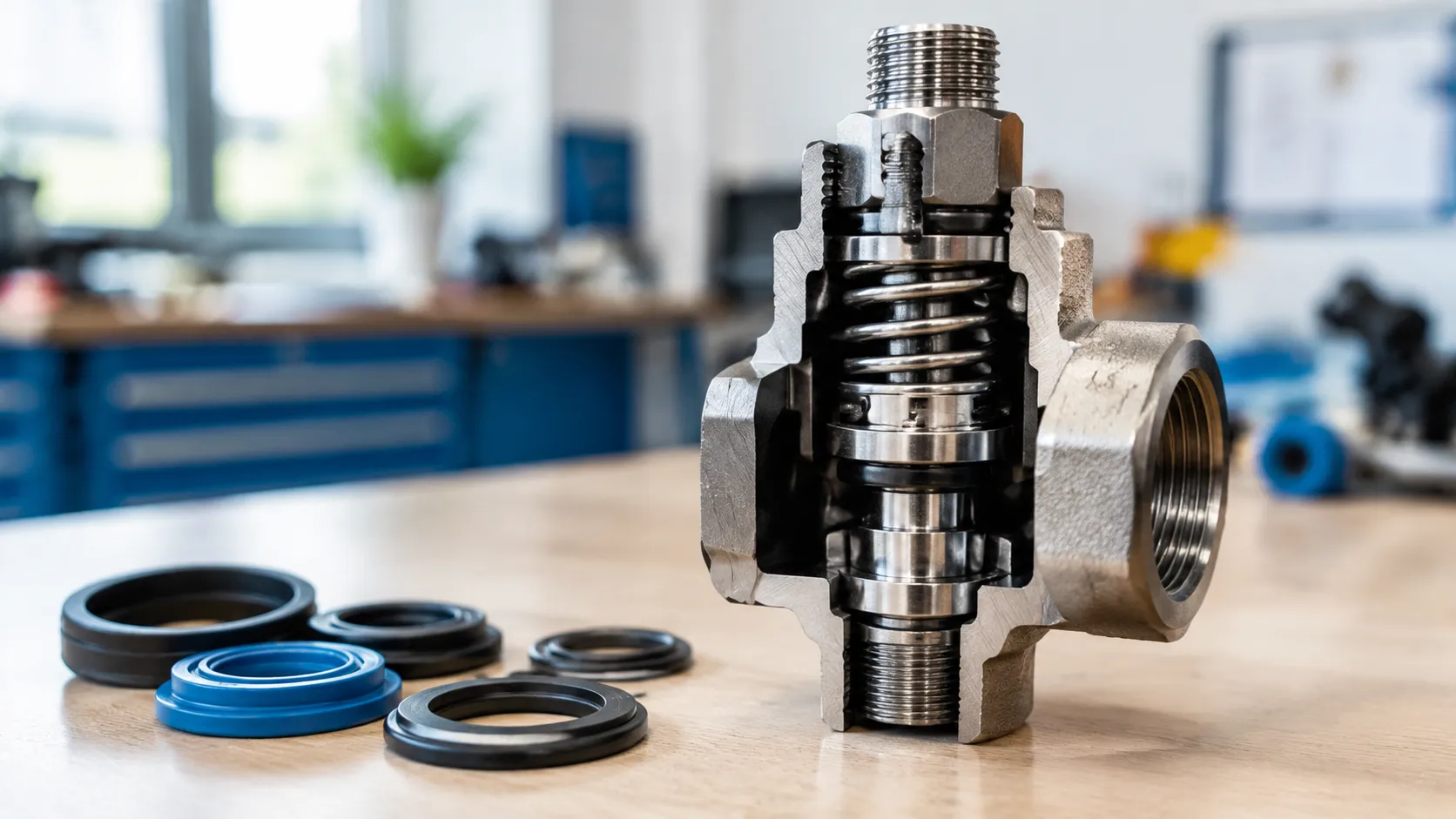
| Gasket Wear | High-frequency replacement | Minimal elastomer stress |
| Material Life | Prone to localized pitting | High resistance to aggressive sanitizers |
By selecting advanced surface treatments and proper metallurgical processes—similar to choosing between through- vs case-hardening for processing components—you ensure your equipment withstands intense daily mechanical stress without sacrificing hygiene.
Lowering Operational and Recall Risks
Bacterial contamination events and product recalls can devastate a meat processing operation. Crevice-free blade blocks serve as a reliable line of defense against costly operational disruptions.
- Preventing Biofilm Outbreaks: Eliminating micro-gaps starves bacteria of moisture and organic material, significantly mitigating Listeria and Salmonella risks.
- Consistent Quality Control: Uniform surface roughness ensures predictable batch-to-batch cleanliness and hassle-free swab audits.
- Protecting Brand Reputation: Proactively sealing off bacterial traps reduces product spoilage rates and safeguards customer trust.
Best Practices for Maintaining Crevice-Free Blade Blocks
Even with an ideal sanitary design, consistent care is essential to safeguard food safety and maximize equipment longevity. We recommend establishing structured protocols that protect surface integrity and eliminate risk factors across every processing shift.
Standard Operating Procedures for Daily Sanitization
A disciplined daily sanitation workflow keeps crevice-free assemblies performing at their peak while guarding against bacterial contamination:
- Gross Debris Removal: Rinse equipment with warm water (under 45°C) to flush away loose tissue without setting meat proteins on metal surfaces.
- Detergent Foam Application: Apply an alkaline foam solution across the entire block, ensuring complete coverage over all food grade knives and mounting hardware.
- Rinse and Check: Wash down surfaces thoroughly, verifying that no residual fat or bio-burden remains in hidden dead spots.
- Sanitizer Treatment: Apply an approved chemical sanitizer, allowing the required contact time to ensure total surface decontamination before startup.
Recommended Cleaning Solutions and Tools
Choosing compatible chemicals and non-abrasive tools preserves surface roughness standards and prevents accidental scratching.
| Solution / Tool | Function | Operational Benefit |
|---|---|---|
| Alkaline Cleaners | Heavy-duty fat and protein removal | Prevents organic buildup on stainless steel components |
| Peracetic Acid (PAA) | Broad-spectrum microbial sanitization | Leaves zero harmful chemical residue |
| Soft Nylon Brushes | Gentle manual scrub for tough spots | Protects polished metal from creating microscopic dirt traps |
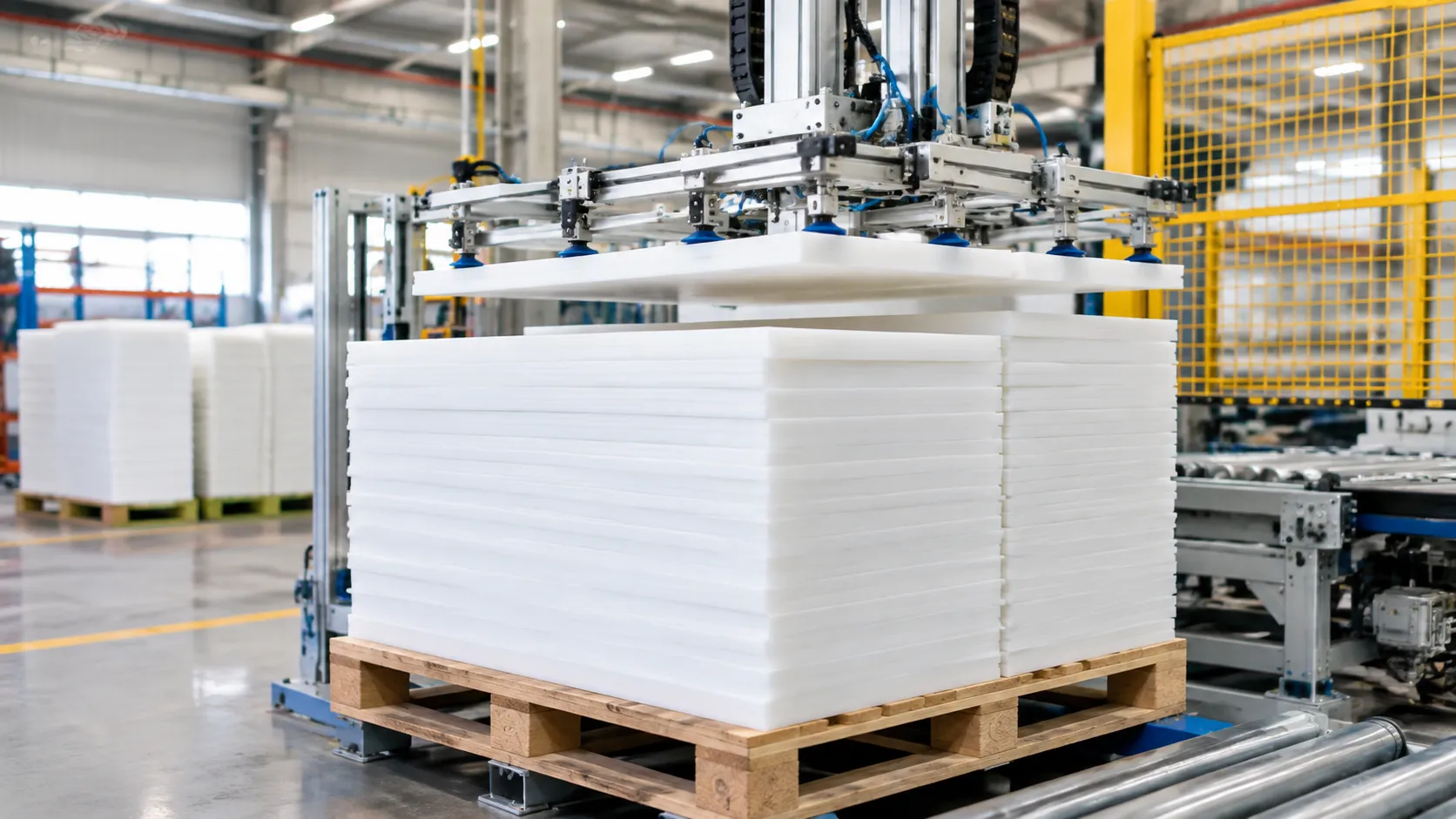
When upgrading surrounding conveyor hardware, pairing hygienic cutting systems with food-grade UHMW-PE guide rails ensures the entire processing environment withstands harsh daily washdown chemicals.
Routine Inspection and Wear Prevention
Proactive wear management prevents mechanical damage from creating new microbial harborages:
- Surface Scratches: Inspect metal block surfaces weekly for deep gouges or pitting that could compromise cleanability.
- Fastener and Mount Audits: Ensure hardware remains torqued to specification to prevent micro-gaps from opening during heavy vibration.
- Edge Alignment Checks: Monitor blade alignment to prevent physical metal-on-metal friction that causes shedding or cross contamination.