Choosing between hard-anodized aluminum and 316L stainless steel FFS rollers can directly affect your packaging line's cost, speed, and maintenance demands.
The right roller is not simply the strongest option. It is the material that fits your operating environment, load requirements, and long-term budget.
In this guide, you'll see how hard-anodized aluminum FFS rollers can reduce sourcing, machining, energy, and equipment-wear costs, and when 316L stainless steel rollers remain necessary for corrosive, washdown, or heavy-duty applications.
Let's get into the details.
Understanding Hard-Anodized Aluminum and 316L Stainless Steel FFS Rollers
Machining tolerance review: Typical machining tolerance is ±0.01 mm. Selected dimensions may achieve ±0.005 mm after technical review. Final tolerances depend on the drawing, material, part size, geometry, finishing and inspection requirements and must be confirmed before order acceptance.
What Are Hard-Anodized Aluminum Rollers?
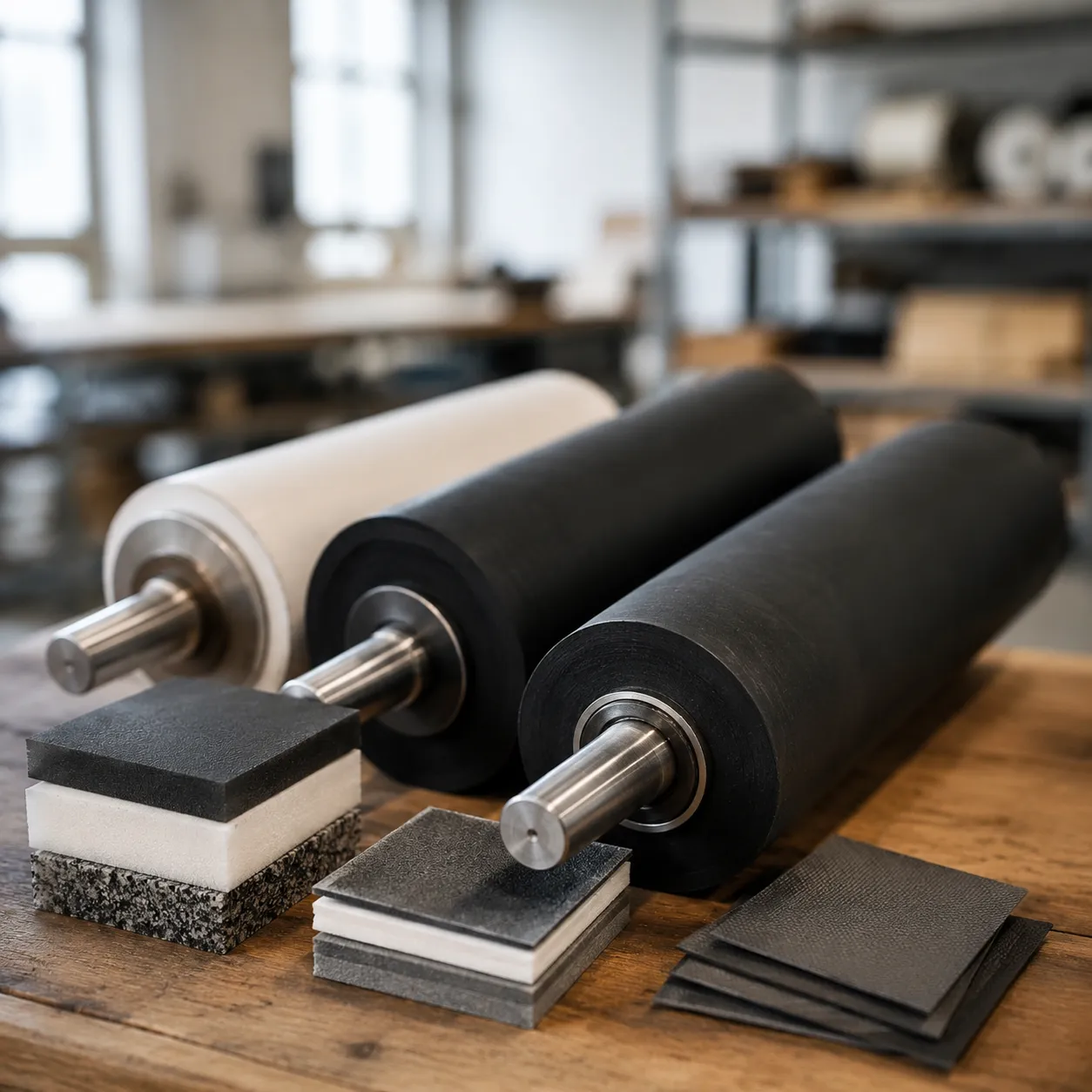
Hard-anodized aluminum rollers are lightweight CNC-machined components finished with a hardened anodic surface layer. They are well suited to film transport, guide, and drive positions in form-fill-seal packaging machinery where reduced roller mass, precise rotation, and efficient production are important.
The aluminum base supports faster machining and lower raw material cost, while hard anodizing improves surface hardness and adds corrosion-inhibiting protection. For suitable non-product-contact roller applications, this combination can reduce component weight and manufacturing expense without sacrificing dimensional control.
What Are 316L Stainless Steel Rollers?
316L stainless steel rollers are precision-machined rollers selected for demanding sanitary environments. Their non-porous surface and strong corrosion resistance make them appropriate for direct product-contact zones, aggressive washdown processes, and applications exposed to acidic or chemically demanding conditions.
For food-grade CNC machining, 316L provides a dependable material option where hygiene, durability, and material traceability are critical. It generally requires more machining time and carries a higher material cost than aluminum, but remains necessary where operating conditions require its corrosion and washdown performance.
The Role of Rollers in Form-Fill-Seal Packaging Systems
FFS rollers guide, tension, transport, and support packaging film through continuous form fill seal operations. Their dimensional accuracy affects film tracking, sealing consistency, machine stability, and production uptime.
A correctly specified roller must match the operating environment, speed, load, sanitation requirements, and contact conditions. Precision CNC turning and milling can achieve tight roller geometry and alignment tolerances, supporting reliable performance across packaging machinery replacement parts and OEM assemblies.
Key Performance Differences: Hard-Anodized Aluminum vs 316L Stainless Steel
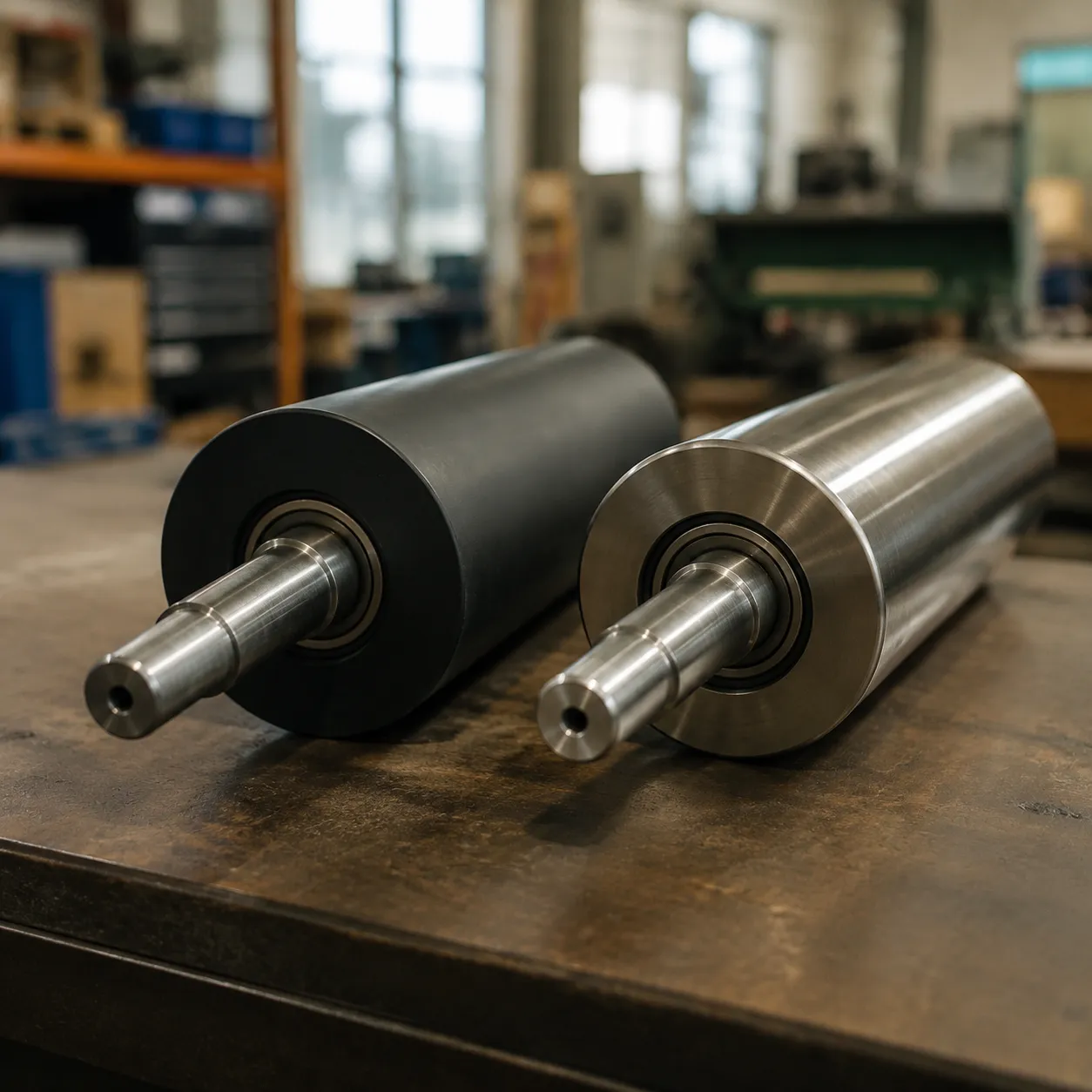
Hard-anodized aluminum and 316L stainless steel FFS rollers can both support precise packaging machinery operation. The right material depends on washdown exposure, product-contact requirements, roller load, speed, and required surface performance.
Corrosion and Wear Resistance
316L stainless steel offers strong corrosion resistance for demanding food-processing conditions. Its non-porous surface is well suited to direct product-contact zones, frequent cleaning, and aggressive CIP washdown environments.
Hard-anodized aluminum uses a hardened anodized surface layer to improve wear and corrosion resistance. It is a practical option for regulated film-handling rollers and other non-direct-contact roller positions where low weight and efficient machining matter.
| Performance factor | Hard-anodized aluminum | 316L stainless steel |
|---|---|---|
| Corrosion resistance | Suitable for controlled packaging environments | Strong choice for washdown and corrosive exposure |
| Wear surface | Hardened anodized outer layer | Durable base material surface |
| Food-contact use | Review against the specific application requirements | Preferred for direct product-contact areas |
| Typical fit | Film transport and drive rollers | Product-zone and washdown rollers |
Strength, Weight, and Rotational Inertia
316L stainless steel provides high strength for heavy-duty rollers and high-load conveying applications. However, its greater mass increases rotational inertia, which can place more demand on drive components during repeated high-speed indexing.
Hard-anodized aluminum supports meaningful weight reduction. Lower roller mass can reduce rotational inertia and help high-speed form fill seal systems respond more efficiently. Aluminum is also easier to machine at speed, supporting lower CNC machining time for suitable designs.
| Performance factor | Hard-anodized aluminum | 316L stainless steel |
|---|---|---|
| Roller weight | Low | High |
| Rotational inertia | Lower | Higher |
| High-load suitability | Best for appropriately engineered applications | Strong fit for heavy-duty loads |
| Machining efficiency | Faster turning and milling potential | More demanding machining process |
Thermal Conductivity and Surface Finish Options
Aluminum has excellent thermal conductivity, which can be useful where roller temperature response affects film handling or process consistency. Hard anodizing adds a durable surface finish while preserving the material's lightweight advantage.
316L stainless steel is selected where sanitary durability and corrosion resistance take priority over weight reduction. Both materials can be precision-machined to tight roller geometry requirements, including tolerances down to ±0.01 mm where the design and inspection plan require it.
Our hard-anodized aluminum and 316L packaging component comparison helps OEM teams assess material selection around sanitary conditions, component function, and manufacturability.
Cost Breakdown: How Hard-Anodized Aluminum Rollers Cut Costs
Lower Material Sourcing and Machining Expenses
Hard-anodized aluminum can lower the raw material cost of selected FFS rollers compared with 316L stainless steel. It also machines more efficiently in CNC turning and milling, helping reduce cycle time and tooling demand. We combine the material choice with DFM review to remove nonessential operations while protecting the dimensions needed for stable film handling. Our hard-anodized FFS rollers for packaging machines are produced for applications where a hard, durable surface and lower part cost are both priorities.
Energy Efficiency and Reduced Equipment Wear
Weight reduction is a practical operating benefit. A lighter aluminum roller has lower rotational inertia than a comparable 316L stainless steel roller, so high-speed form-fill-seal equipment may require less torque during repeated starts, stops, and indexing cycles. This can reduce stress on drive components and support smoother operation in film-feed sections of packaging machinery.
- Lower roller mass supports faster machine response.
- Reduced load can limit wear on motors, shafts, bearings, and drive assemblies.
- Accurate CNC machining helps maintain roller alignment and consistent film travel.
Maintenance and Long-Term Operating Costs
Hard anodizing creates a wear-resistant outer layer that can support reliable service in suitable film-handling and non-direct-contact positions. By lowering initial replacement cost and reducing mechanical load, hard-anodized aluminum rollers can help control maintenance expenses over time.
Material selection must still match the operating environment. For aggressive washdown, high-acid exposure, or direct product-contact areas, 316L stainless steel remains the stronger choice for corrosion resistance and sanitary durability. We verify material requirements, dimensional tolerances, and inspection needs before production, with CMM checks and material traceability available for packaging OEM documentation.
Application Scenarios for FFS Packaging Systems
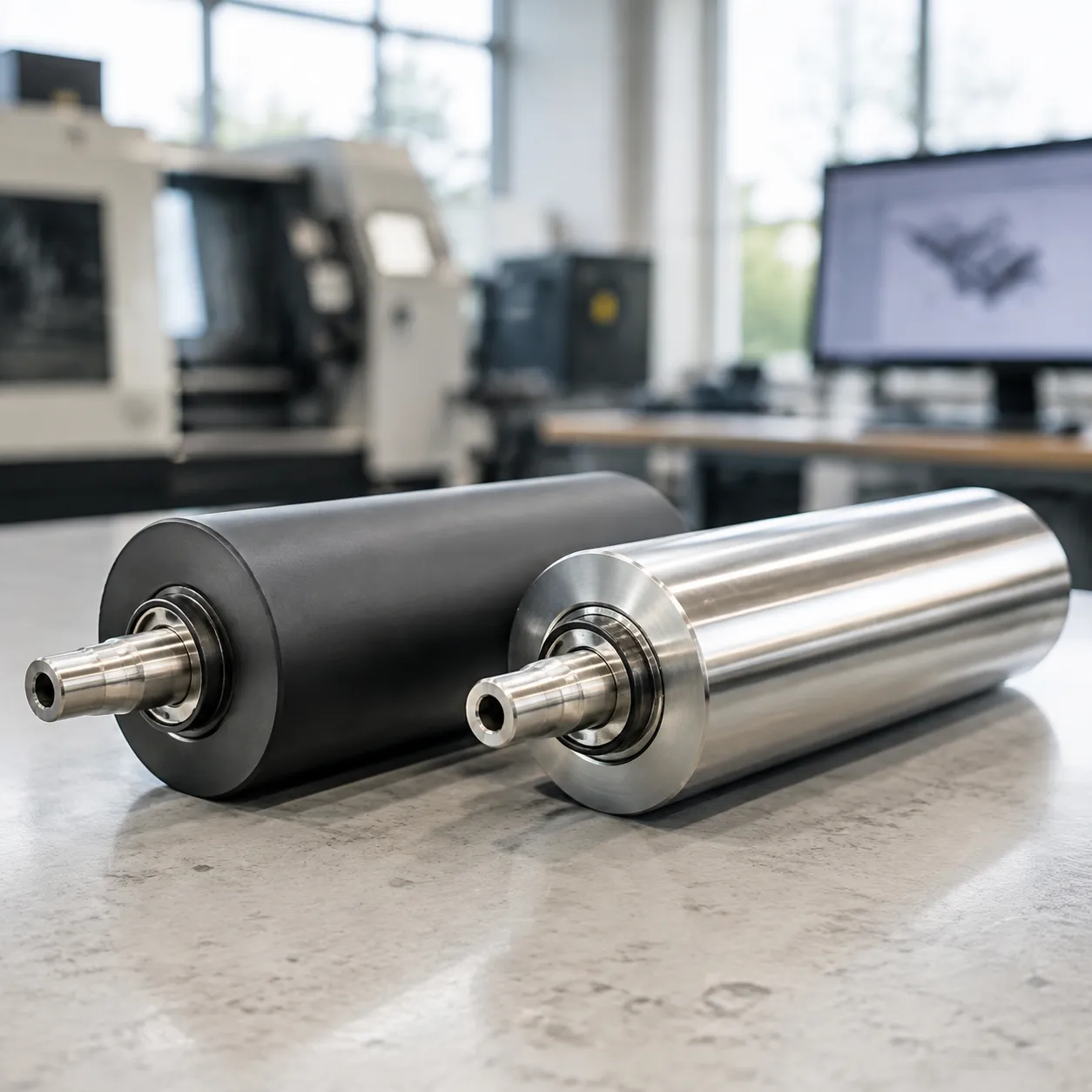
High-Speed and High-Efficiency Packaging Lines
For high-speed form-fill-seal equipment, hard-anodized aluminum rollers can reduce moving mass and rotational inertia. This supports responsive film handling while lowering the load placed on drive components. Their hard surface and efficient CNC machining make them a practical option for film transport rollers, drive rollers, and lightweight packaging machinery assemblies. Our hard-anodized aluminum parts for packaging machines are machined to the required fit and surface condition for the application.
Corrosive or Washdown Processing Environments
316L stainless steel rollers are the stronger choice where rollers face frequent washdown, aggressive cleaning conditions, or direct product-contact requirements. Its corrosion resistance and non-porous surface support hygienic operation in food processing, beverage, dairy, meat, and pet food packaging lines. Material selection should account for the complete cleaning process, exposure conditions, and sanitary compliance requirements rather than focusing only on initial raw material cost.
Heavy-Duty and High-Load Conveying Applications
For heavy-duty roller positions, 316L stainless steel provides dependable strength and durability where sustained loads, demanding operating conditions, or rigid support are required. It is well suited to high-load conveying points and applications where replacement cost or unplanned downtime would create larger operational expenses. Hard-anodized aluminum remains suitable for lighter film-handling and structural roles, while 316L is typically retained for critical load-bearing or washdown-exposed components in packaging machinery production environments.
How to Choose the Right FFS Roller to Maximize Cost Savings
Evaluating Operational Requirements and Environmental Factors
We select FFS rollers based on the real operating conditions, not material price alone. The right choice protects packaging line uptime while controlling raw material, machining, and replacement costs.
| Operating factor | Best material direction |
|---|---|
| Direct food-contact area | 316L stainless steel |
| Frequent CIP or aggressive washdown | 316L stainless steel |
| High-speed film transport | Hard-anodized aluminum |
| Weight-sensitive rotating assembly | Hard-anodized aluminum |
| High chemical or acid exposure | 316L stainless steel |
| Tight alignment requirements | CNC-machined aluminum or 316L |
Roller geometry, shaft fit, runout, load, cleaning routine, and surface requirements should be reviewed together. Managing tolerance stack-up in drive shafts also helps maintain stable roller alignment and consistent film handling.
When to Select Hard-Anodized Aluminum Rollers
Hard-anodized aluminum rollers are a practical choice for film-handling, drive, and support positions where direct product contact and harsh washdown exposure are not required.
Choose hard-anodized aluminum when the priority is:
- Lower raw material cost and faster CNC machining
- Weight reduction for high-speed form fill seal systems
- Reduced rotational inertia and lower stress on drive components
- Good thermal conductivity where temperature response matters
- A wear-resistant anodized surface for suitable film-contact applications
With accurate CNC turning and milling, we machine hard-anodized aluminum components to tight dimensional requirements for stable roller performance.
When 316L Stainless Steel Rollers Are Necessary
316L stainless steel rollers remain the preferred option when hygiene and corrosion resistance carry more value than initial cost savings. Its non-porous surface and strong resistance to washdown conditions support demanding food-grade packaging machinery environments.
Use 316L stainless steel rollers for:
- Direct product-contact zones
- High-moisture, frequent-cleaning production lines
- CIP washdown environments
- Acidic or chemically demanding processing conditions
- Heavy-load roller positions requiring higher material strength
For projects requiring sanitary material selection and documented traceability, our 316L stainless steel CNC machining capability supports material certification, dimensional inspection, and quality reporting.