Overview
What Are Hard-Anodized FFS Rollers?
Machining tolerance review: Typical machining tolerance is ±0.01 mm. Selected dimensions may achieve ±0.005 mm after technical review. Final tolerances depend on the drawing, material, part size, geometry, finishing and inspection requirements and must be confirmed before order acceptance.
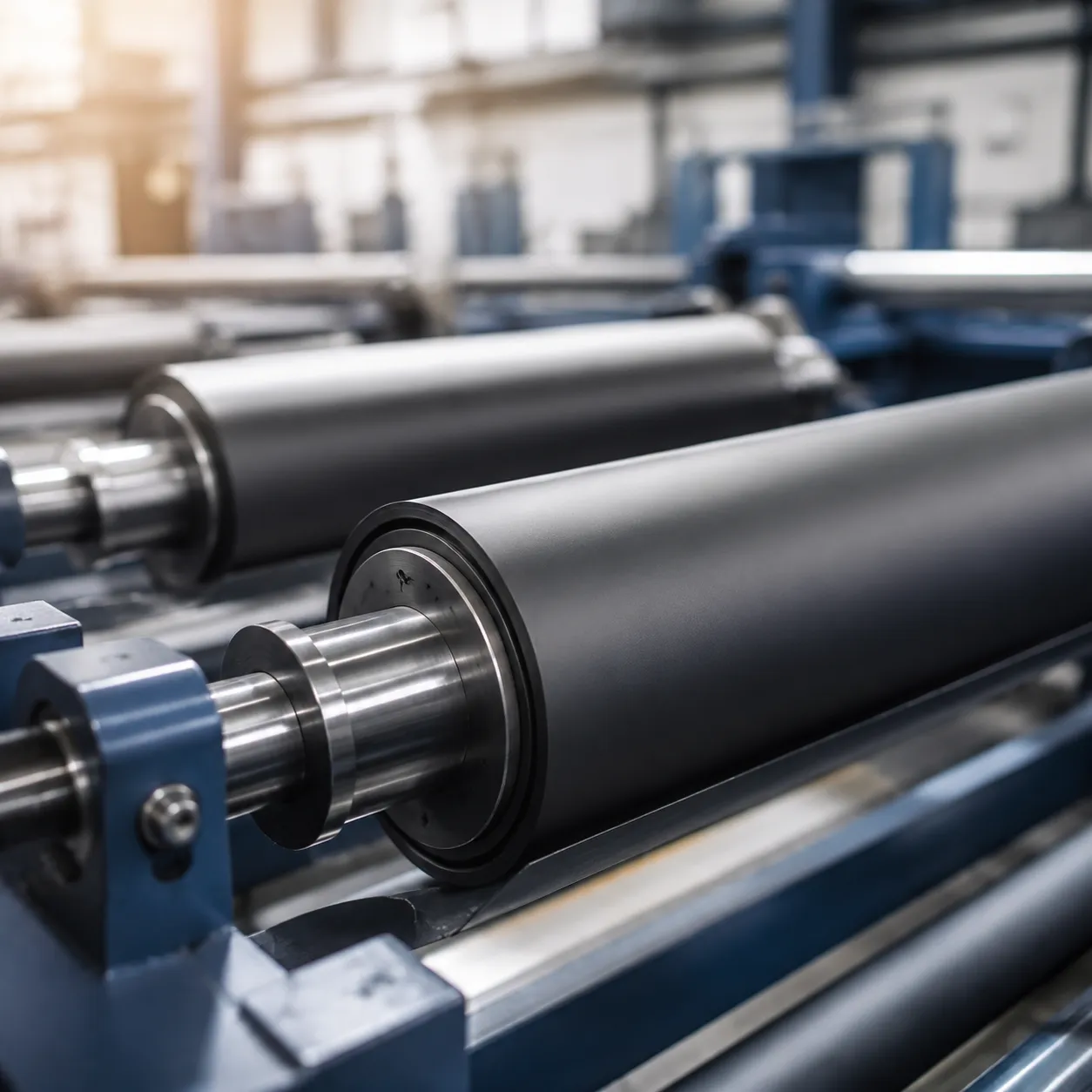
Hard-anodized FFS rollers are specialized components engineered to optimize plastic film handling across high-speed form fill seal operations. Built from high-grade aluminum and finished with an advanced electrochemical surface treatment, these rollers deliver high precision, minimal drag, and reliable web control in continuous industrial packaging equipment.
Overview of Hard-Anodized Guide Rollers
A hard-anodized aluminum guide roller serves as the backbone of dynamic web-guiding and film-feeding systems. Designed to handle sensitive flexible substrates without causing distortion or slippage, these rollers balance structural strength with low rotational mass.
- Material Construction: High-strength aluminum alloys providing high stability with low weight.
- Core Function: Smooth guidance, precise alignment, and constant tension control for flexible packaging films.
- Application Scope: Ideal for vertical and horizontal form-fill-seal (FFS) machines, pouch-making systems, and converting machinery.
How Hard-Coat Anodizing Enhances Roller Performance
Standard aluminum surfaces wear quickly under continuous contact with abrasive packaging films and harsh cleaning agents. Hard-coat anodizing creates a dense, sapphire-hard anodic oxide coating directly integrated into the metal substrate, fundamentally elevating operational capabilities.
- Superior Wear Resistance: Prevents surface scoring, grooves, and micro-abrasions caused by continuous high-speed film friction.
- Exceptional Corrosion Resistance: Protects against aggressive washdown chemicals, moisture, and acidic product contact.
- Enhanced Operational Efficiency: Maintains a smooth surface profile that reduces friction and eliminates static build-up, ensuring maximum machine uptime.
Key Features and Advantages of Hard-Anodized Rollers
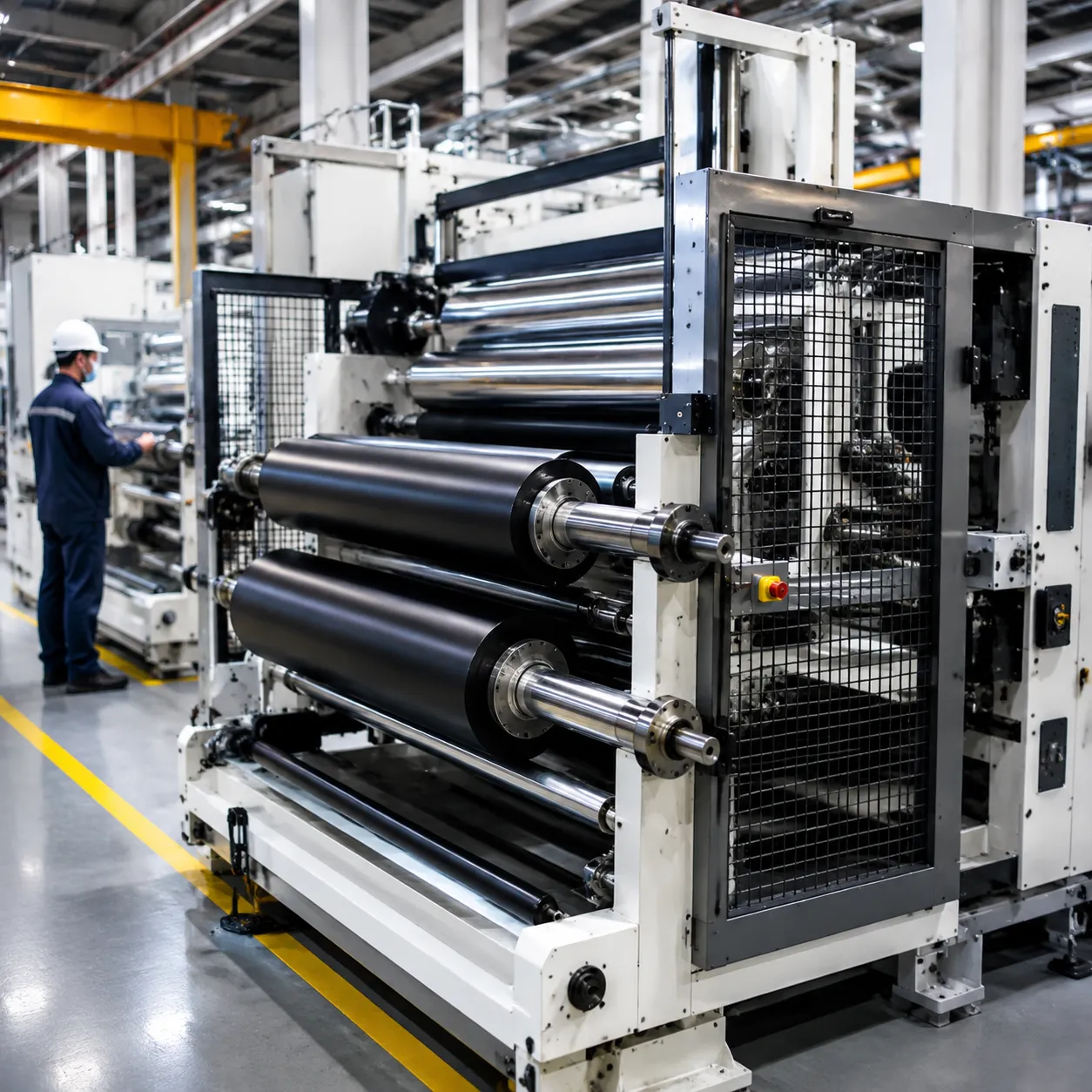
We engineer our hard-anodized FFS rollers for packaging machines to eliminate line stoppages and boost operational efficiency on high-speed production runs.
Exceptional Wear and Corrosion Resistance
A thick anodic oxide coating provides each aluminum guide roller with a glass-hard shield against abrasive films and aggressive cleaning chemicals. When evaluating material options for heavy wear, using hard-anodized aluminum vs 316L stainless packaging parts gives you superior scratch resistance and corrosion resistance without adding unwanted weight to your drive systems.
- Surface Hardness: Achieves up to 60–65 HRC to block abrasive wear during continuous plastic film handling.
- Chemical Defense: Stands up to steam, solvents, and acidic washdowns without degrading.
- Flake-Free Surface: Integrated surface treatment never peels or contaminates food and medical packages.
High Precision and Low Rotational Inertia
We utilize an optimized hollow shaft design to trim dynamic weight without sacrificing structural rigidity. Lower rotational inertia allows your packaging machinery to accelerate faster, prevent web dragging, and maintain exact film tension control at max operational speeds.
Thermal Resistance and Extended Service Life
Friction heat from continuous web contact and proximity to heat-sealing jaws will not compromise our roller geometry. The anodic layer evenly disperses heat to prevent thermal warping, significantly boosting component life and cutting total maintenance costs.
| Performance Metric | Hard-Anodized FFS Roller | Advantage for Packaging Lines |
|---|---|---|
| Surface Hardness | Up to 65 HRC | Prevents grooving and wear from abrasive webs |
| Rotational Weight | Ultra-light hollow aluminum | Instant acceleration with reduced motor wear |
| Corrosion Defense | Sealed anodic oxide coating | Resists chemical washdowns and rust |
| Service Life | 2–3x longer than standard rollers | Minimizes scheduled downtime and maintenance |
Types of Anodizing and Surface Coatings
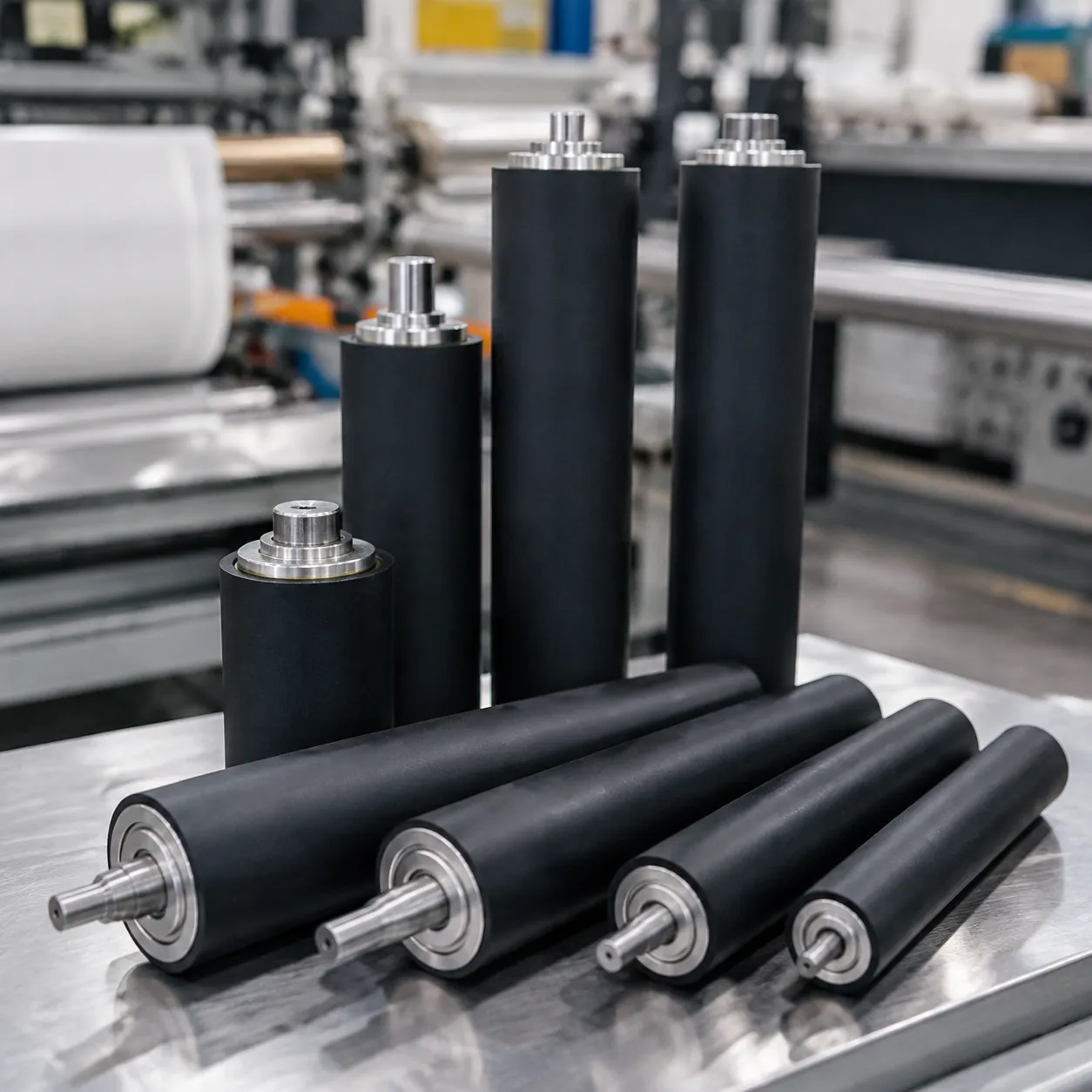
Choosing the right surface treatment for an aluminum guide roller directly impacts machine uptime and web handling quality. We engineer our hard-anodized FFS rollers for packaging machines using distinct anodizing processes and specialty coatings tailored to your specific film types and tension requirements.
Type III Hard-Coat Anodizing
Type III hard-coat anodizing is the gold standard for high-speed Form-Fill-Seal (FFS) packaging lines. This low-temperature electrochemical process creates a dense, rock-hard anodic oxide coating deep into the aluminum substrate.
- Layer Thickness: Typically 50 µm (0.002 in), growing equally above and below the original aluminum surface.
- Surface Hardness: Achieves up to 60–70 HRC equivalent, offering extreme wear resistance against abrasive materials.
- Operational Edge: Maximum protection against galling, micro-abrasion, and grooving caused by high-tension plastic film handling.
Type II Sulfuric Acid Anodizing
Type II anodizing provides a thinner oxide layer compared to hard-coating. While it offers solid corrosion resistance, it is best suited for static or low-wear components rather than heavy-duty film-contact zones.
| Feature | Type II Anodizing | Type III Hard-Coat Anodizing |
|---|---|---|
| Coating Thickness | 5–25 µm | 50 µm+ |
| Wear Resistance | Moderate | Superior |
| Primary Advantage | Cost-effective corrosion resistance | High-durability industrial packaging equipment protection |
| Best Application | Static structural supports | High-speed, high-friction FFS web rollers |
Specialty Surface Finishes and Coatings
Standard hard-coating can be further enhanced to overcome tricky converting environments. For tacky substrates, barrier films, or high-static materials, we combine hard anodizing with specialized surface finishing capabilities to optimize friction and release.
- PTFE-Impregnated Anodizing: Infuses Teflon directly into the porous anodic coating to dramatically lower friction and prevent adhesive buildup.
- Non-Stick Matte Finishes: Precise bead-blasted substrate textures applied before anodizing to prevent web clinging and air trapping.
- Calibrated Roughness Profiles: Tailored surface roughness (Ra) engineered specifically to maintain positive web traction without scratching sensitive printed films.
Applications in FFS Packaging Machines
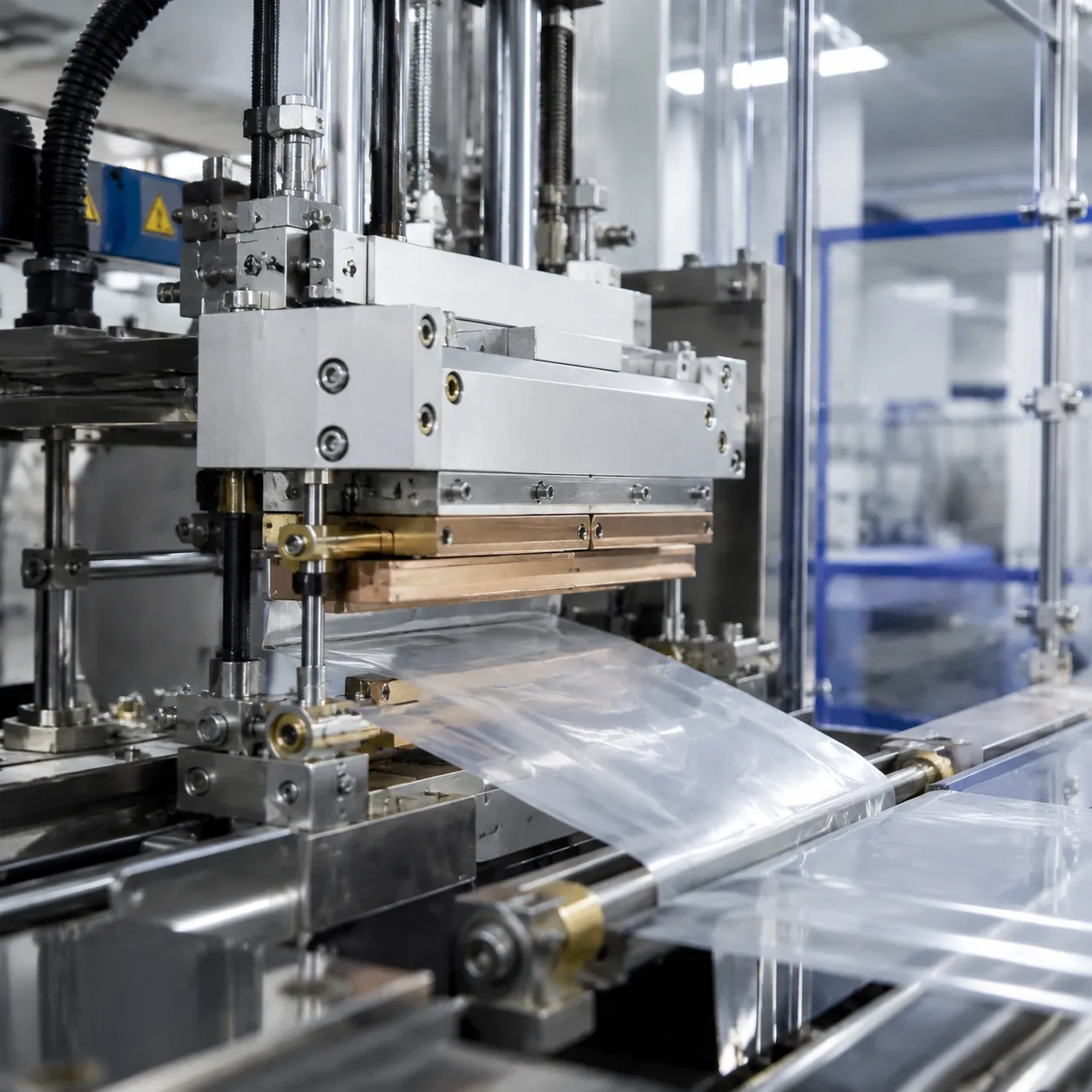
In modern industrial packaging equipment, hard-anodized FFS rollers act as the backbone for smooth, continuous web movement. By combining low rotational weight with extreme wear resistance, we design these rollers to prevent film slipping, scratching, and alignment loss across all production stages.
Film Feeding and Web Guiding Systems
Precise web tension is crucial when processing delicate packaging materials. Our rollers deliver consistent surface friction and low inertia, ensuring smooth feeding without web drift:
- Static Reduction & Smooth Travel: Smooth surface finishes lower static buildup during plastic film handling.
- Wrinkle-Free Alignment: Keeps thin poly, foil, and laminate films perfectly aligned under tension.
- Component Longevity: Upgrading to engineered hard-anodized 6061 aluminum parts for packaging machines reduces roller wear caused by continuous high-speed film friction.
Form-Fill-Seal (FFS) Packaging Lines
Vertical and horizontal form-fill-seal (FFS) systems place relentless demands on mechanical components. In these environments, operational efficiency hinges on zero-downtime performance.
- Food & Pharma Compliance: Smooth anodic oxide layers resist harsh washdown chemicals and prevent contamination.
- Precise Indexing: Low-inertia designs allow rapid starting and stopping, maintaining precise print alignment during pouch forming.
- Reliable Operations: Proven performance across demanding automated workflows in the global packaging industry.
Flexible Packaging and Converting Machinery
Beyond standard FFS lines, these specialized aluminum guide rollers excel in high-speed slitting, rewinding, and laminating equipment:
- Multi-Layer Laminates: Easily handles heavy, multi-ply barrier films without surface warping or grooving.
- High Line Speeds: Balanced dynamic rotation eliminates chatter marks at high operating speeds.
- Corrosion Protection: Resists atmospheric oxidation and chemical fumes common in converting environments.
Technical Specifications and Parameters
We engineer our hard-anodized FFS rollers for packaging machines to exact technical standards. Getting these precise parameters right ensures peak operational efficiency and prevents costly film slippage or web drift during high-speed production runs.
Dimensions, Tolerances, and Wall Thickness
Precision dimensional control is crucial for smooth film handling. We utilize a lightweight, high-strength hollow shaft design on our aluminum guide roller lineup to minimize rotational inertia while keeping structural deflection to a minimum.
Properly managing mechanical dimensions and knowing how to manage tolerance stack-up in drive shafts helps maintain flawless alignment across complex industrial packaging equipment.
| Parameter | Standard Specification | Custom Capability |
|---|---|---|
| Outer Diameter (OD) | 30 mm – 200 mm | Up to 350 mm |
| Wall Thickness | 3 mm – 12 mm | Engineered per load spec |
| OD Machining Tolerance | ±0.01 mm | ±0.005 mm on selected dimensions only, subject to review (selected dimensions; subject to review) |
| Concentricity / TIR | ≤ 0.02 mm | ≤ 0.01 mm |
Anodized Layer Hardness and Surface Roughness
Our advanced surface treatment applies a heavy-duty anodic oxide coating that dramatically boosts both wear resistance and corrosion resistance. This protects the roller face from abrasive films and harsh washdown chemicals during continuous plastic film handling.
- Coating Hardness: 400 HV to 600 HV (up to 60 HRC equivalent)
- Layer Thickness: 30 µm to 50 µm (Type III Hard Anodizing)
- Surface Roughness (Ra): Ra 0.4 µm to Ra 0.8 µm (custom mirror polishing or matte anti-stick textures available)
Dynamic Balancing and Alignment Standards
High-speed packaging lines require strict dynamic balancing to eliminate vibration, extend bearing life, and maintain uniform web tension.
- Dynamic Balancing Grade: ISO 1940 G2.5 standard at operational speeds up to 3,000 RPM
- Axial Runout: Maintained within ≤ 0.015 mm across the entire face length
- Shaft Straightness: ≤ 0.02 mm per meter for precise web tracking
How to Choose the Right Roller for FFS Packaging Lines
Selecting the optimal hard-anodized FFS rollers for packaging machines requires aligning material friction, web dynamics, and structural mounting. We build our rollers to eliminate slippage, reduce web drift, and boost throughput across high-speed industrial packaging equipment.
Matching Rollers to Packaging Film Material
Different flexible packaging films demand specific surface textures to ensure smooth plastic film handling without scratching, dragging, or static buildup.
| Packaging Film Type | Surface Challenge | Recommended Roller Solution |
|---|---|---|
| PE / LDPE | High friction, film sticking | Micro-grooved or satin hard-coat anodize |
| BOPP / PET | Sensitive to scratches, static prone | Ultra-smooth anodized surface ($R_a$ 0.4 µm) with conductive grounding |
| Foil Laminates | High drag and abrasive wear | Type III anodized aluminum guide roller with high wear resistance |
| Paper / Hybrids | Particle buildup and dust | Hard-coat layer resistant to abrasion and surface fouling |
- Tack Control: Tacky substrates benefit from specialized surface release treatments that stop film wrap-around.
- Surface Integrity: Delicate barrier films need low surface roughness to prevent optical blemishes and pinholes.
Evaluating Tension Control and Operational Speed
High-speed form fill seal lines demand minimal rotational inertia and fast response to web speed shifts.
- Low Inertia: We utilize thin-wall aluminum bodies to reduce rotational mass, preventing film scuffing during rapid startup and stopping.
- Precision Dynamic Balancing: Rollers running at speeds over 300 m/min are dynamically balanced to ISO G2.5 standards to prevent high-speed vibration.
- Low-Drag Bearings: Premium sealed bearings keep friction to a minimum, improving tension control and operational efficiency.
Custom Shaft Design and Mounting Options
Integrating rollers into specialized machinery requires matching exact shaft profiles and mounting specifications.
- Shaft Configuration: Choose dead-shaft setups to lower rotating weight, or live-shaft designs for driven roller stations.
- Hollow Shaft Design: Incorporating a hollow shaft design cuts total assembly weight, extending bearing operational life.
- Drive Integration: For high-torque drive zones, pairing light aluminum shells with precision-machined hardened conveyor drive shafts delivers long-term fatigue resistance.
- Custom Mounting: Options include threaded ends, keyways, snap-ring grooves, or custom flanges for quick drop-in replacement.
Customization, Quality Control, and Shipping
We manufacture hard-anodized FFS rollers for packaging machines to match your exact machinery blueprints, ensuring direct drop-in replacement and seamless operation.
OEM Custom Fabrication Services
Our custom engineering transforms your technical specifications into reliable components built for high-speed packaging lines.
- Tailored Machining: Custom outer diameters, face lengths, and journal steps designed for your specific setup.
- Optimized Configurations: Options for a lightweight hollow shaft design to reduce rotational inertia and improve film response.
- Targeted Surface Treatment: Adjustable anodic oxide coating thickness and texturing customized for your specific plastic film handling needs.
Quality Assurance and Inspection Testing
Maintaining peak operational efficiency requires flawless component performance. Every aluminum guide roller undergoes strict testing before leaving our facility.
- Dimensional & Runout Checks: CMM and dial indicator testing verify micro-level tolerances and concentricity.
- Coating Hardness Testing: We verify that the surface treatment provides superior wear resistance and long-term corrosion resistance.
- High-Speed Dynamic Balancing: Eliminates vibration on fast form fill seal packaging runs.
Our comprehensive quality inspection capabilities ensure every component consistently meets rigorous global standards.
Export Packaging and Shipping Logistics
To prevent damage during international transport, we follow strict export packaging standards for all industrial packaging equipment parts.
| Packaging Stage | Material / Method | Key Benefit |
|---|---|---|
| Primary Protection | Non-abrasive protective wrap & VCI anti-rust film | Protects anodized surfaces from scratches and moisture |
| Structural Packing | Custom-molded foam inserts inside fumigated wooden crates | Prevents shaft bending and absorbs transit impacts |
| Global Shipping | Door-to-door air freight and ocean logistics options | Delivers reliable, fast turnaround to your facility |