Overview
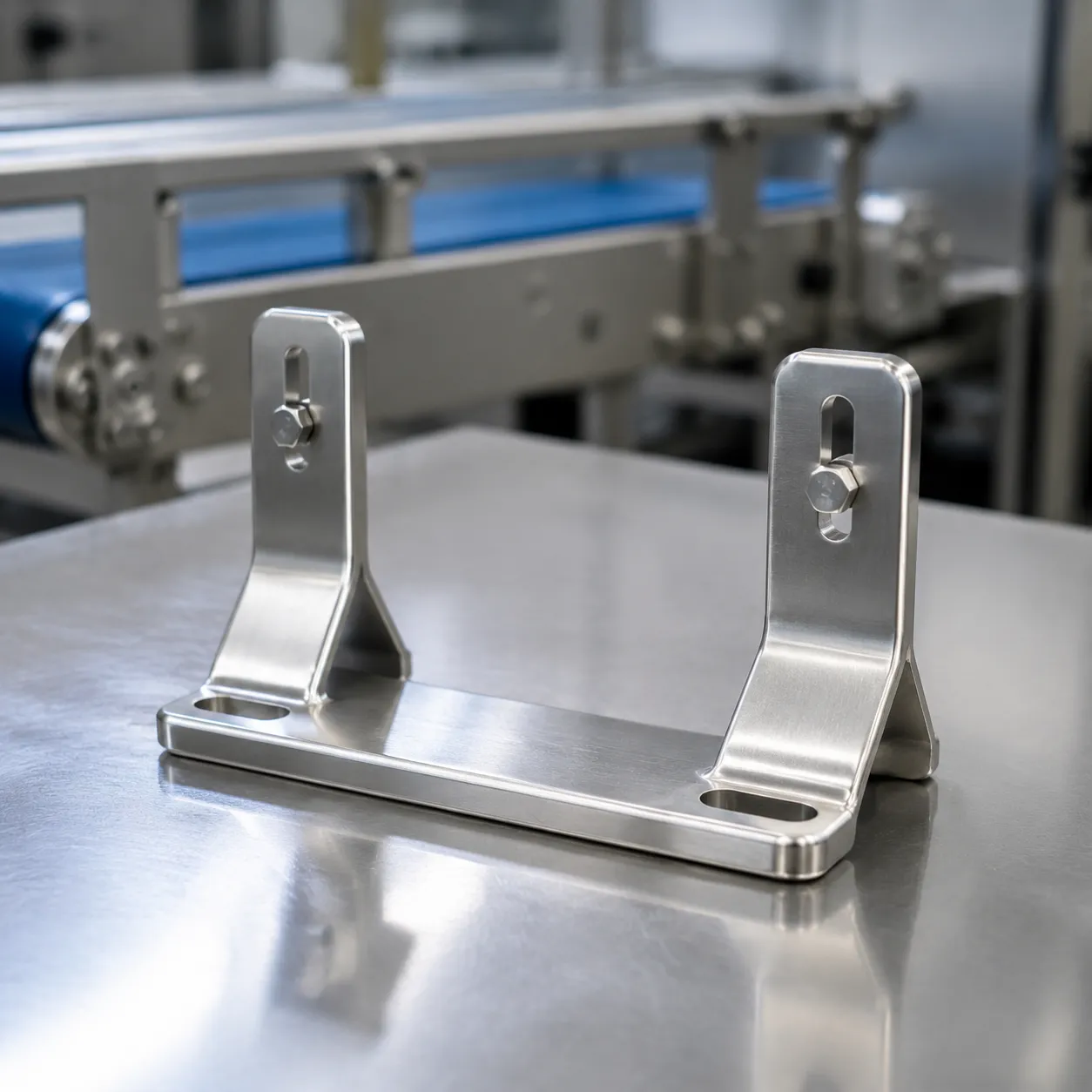
Overview of Electropolished 316L Conveyor Brackets
Electropolished 316L conveyor brackets are essential structural components engineered specifically for high-moisture, high-salinity seafood processing lines. Designed to meet strict sanitary standards, these brackets deliver long-term structural integrity and corrosion protection in demanding marine environments.
Role of Brackets in Seafood Processing Conveyors
Conveyor brackets act as the primary load-bearing supports across automated seafood processing systems. They lock critical mechanical components in place to maintain operational stability during continuous, high-speed line operations.
- Component Anchor: Firmly secure drive rollers, guide rails, frame structures, and automation sensors.
- Alignment Maintenance: Prevent conveyor belt misalignment, reducing mechanical wear and unexpected downtime.
- Vibration Resistance: Absorb operational shocks caused by heavy product loads and fast-moving processing lines.
Why Choose 316L Stainless Steel for Marine Environments
Seafood processing exposes machinery to constant saltwater, organic acids, and harsh chlorine-based sanitizers. Standard alloys deteriorate rapidly in these conditions, leading to equipment failure and batch contamination risks.
| Material Feature | Standard 304 Stainless | Marine-Grade 316L Stainless | Performance Advantage in Seafood Processing |
|---|---|---|---|
| Molybdenum Content | 0% | 2.0% – 3.0% | Provides extreme resistance to saltwater pitting and chloride attack. |
| Carbon Content | <= 0.08% | <= 0.03% | Prevents weld-zone intergranular corrosion during custom fabrication. |
| Corrosion Lifetime | Limited in brine | Superior longevity | Eliminates rust contamination risks on raw seafood product lines. |
The Importance of Electropolishing Surface Treatment
Electropolishing is an electrochemical process that significantly enhances surface hygiene. Unlike mechanical polishing, which can mask micro-scratches, electropolishing strips away surface impurities and microscopic peaks to create a smooth, mirror-like finish.
- Micro-Smooth Profile: Reduces surface roughness (Ra), eliminating microscopic crevices where bacteria and proteins adhere.
- Enhanced Passivation: Removes free iron from the surface, creating an enriched chromium-oxide film that maximizes saltwater corrosion resistance.
- Efficient Washdown: Enables faster, more efficient sanitation cycles while reducing water and chemical consumption during daily equipment cleanings.
Key Advantages for Seafood Processing Applications
We design our electropolished 316L conveyor brackets specifically to handle the relentless, wet, and saline environments of seafood processing facilities. Standard hardware quickly corrodes or harbors bacteria under constant brine exposure, but our sanitary conveyor components offer the ideal balance of structural strength and supreme cleanability.
Superior Saltwater Corrosion Resistance
Seafood handling exposes processing equipment to concentrated salt solutions and harsh sanitizing chemicals daily.
- 316L Stainless Steel Base: We start with 316L stainless steel, an alloy enriched with molybdenum to combat pitting and crevice corrosion far better than standard 304 steel.
- Electropolishing Passivation: The electropolishing passivation process removes free surface iron and leaves a smooth, ultra-durable chromium oxide layer for maximum saltwater corrosion resistance.
- Unmatched Reliability: Our corrosion resistant hardware prevents chemical pitting, ensuring structural integrity and extending equipment lifespan in coastal or shipboard processing plants.
Hygienic Surface Preventing Bacterial Contamination
Microbial control is critical when processing fresh fish and shellfish. Raw surfaces or microscopic machining marks can trap organic matter and foster biofilm growth.
- Microscopic Smoothness: Electropolishing removes tiny surface burrs and microscopic valleys where Listeria and other pathogens take root.
- Hygienic Equipment Design: By combining precise machining with high-level surface finishing, we eliminate tight crevices. Much like our 316L slicer blade blocks for meat processing, these brackets are engineered from the ground up to support zero-tolerance sanitation rules.
- Non-Porous Finish: Eliminates surface microscopic gaps, stopping bacteria from clinging to bracket assemblies.
Easy Washdown and Simplified Maintenance
Shift changes and daily sanitation procedures require hardware that cleans quickly without requiring endless manual scrubbing.
- Faster Washdown Times: Water and chemical solutions run off the polished surface instantly, washing away slime, scales, and oils with minimal effort.
- Reduced Chemical Usage: Smooth surfaces require fewer harsh cleaning chemicals and lower water pressures to reach full sanitization, protecting your line and saving operational costs.
- Durable Washdown Conveyor Parts: Built for heavy-duty food processing equipment, our brackets resist wear from daily high-pressure chemical washdowns without degrading over time.
Custom Machining and Manufacturing Capabilities
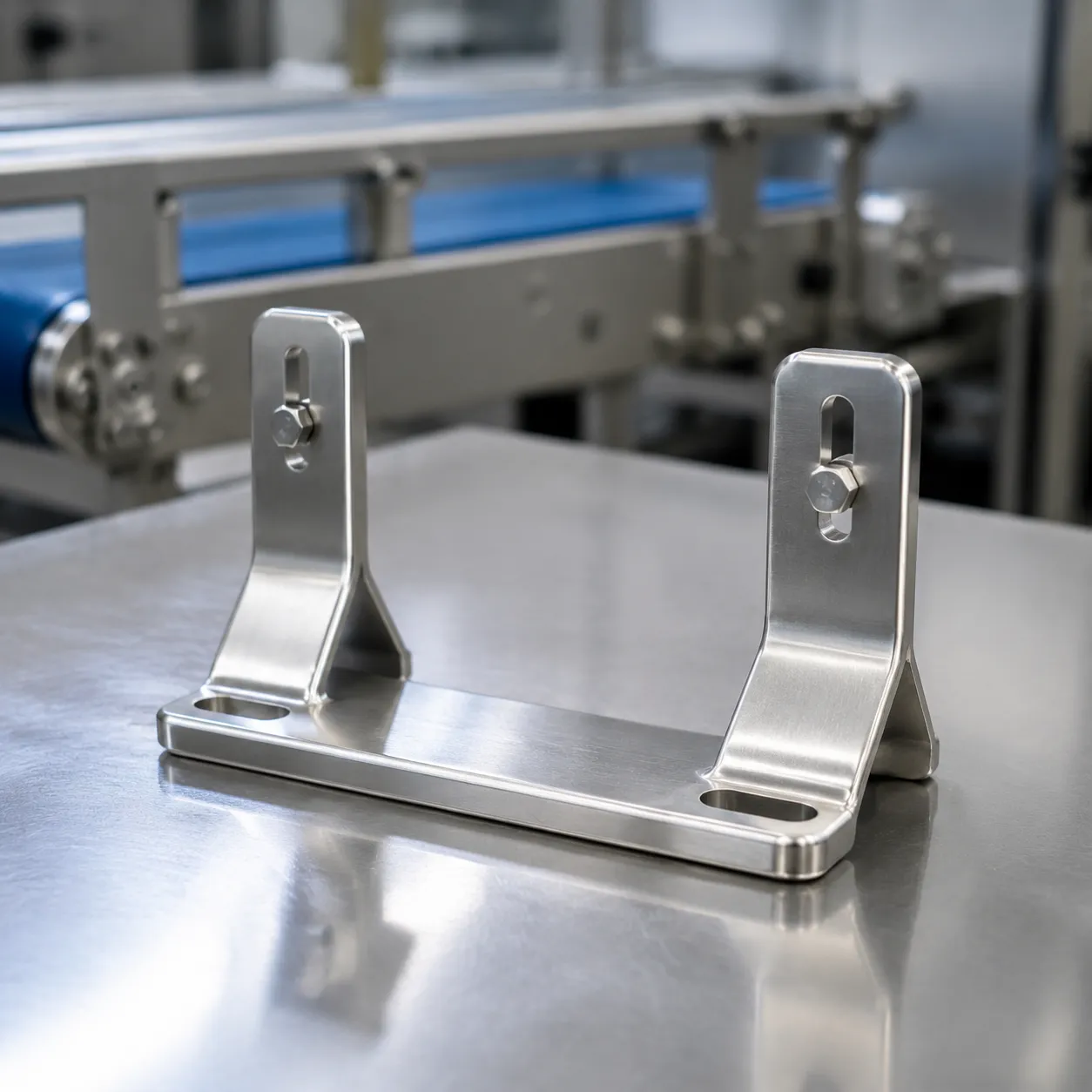
We manufacture high-precision electropolished 316L conveyor brackets tailored to the rigorous demands of seafood processing environments. Our facility leverages advanced machining technologies to deliver durable, corrosion-resistant hardware engineered for exact fitment and high sanitary compliance.
Precision CNC Milling and Turning Services
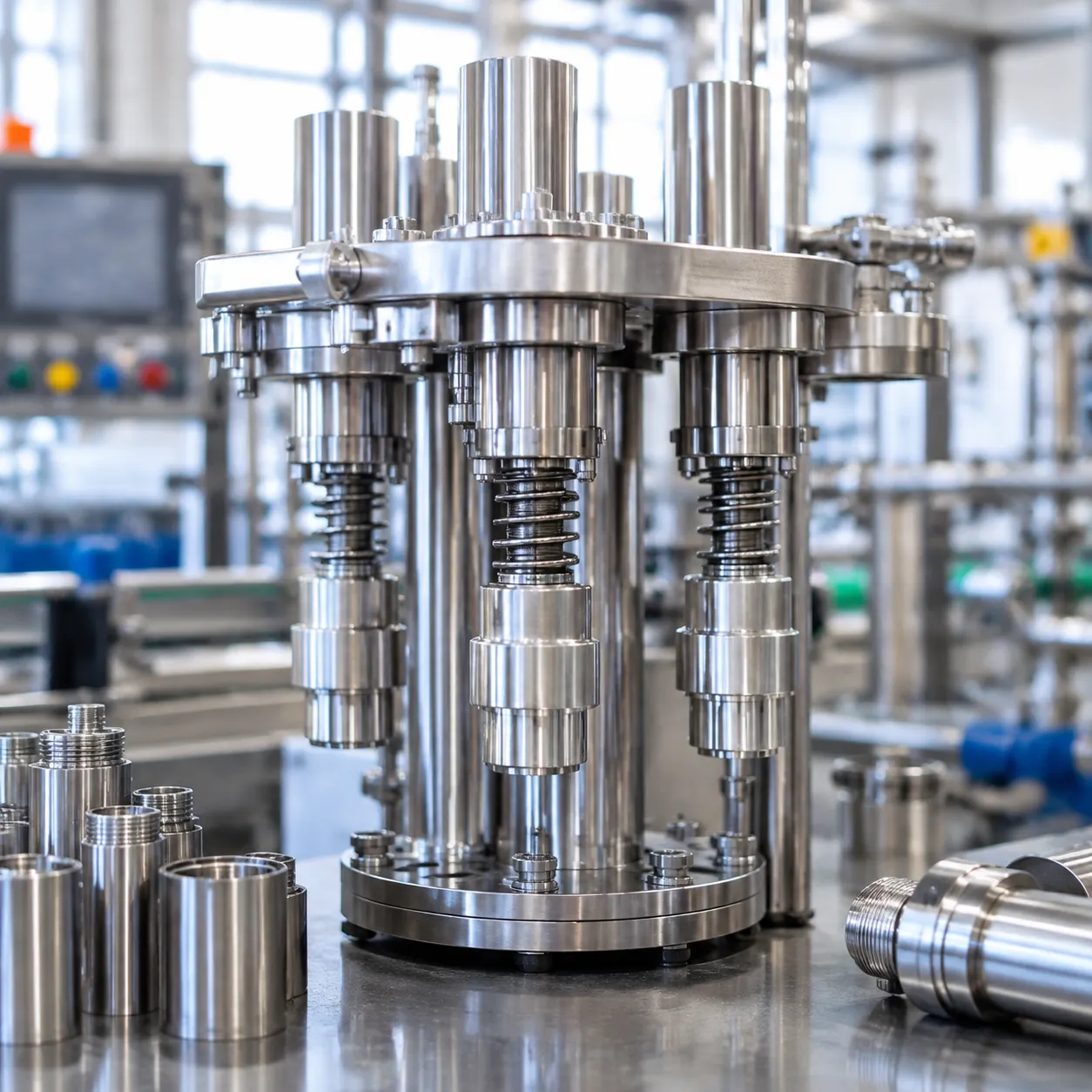
Our food grade CNC machining processes maintain tight tolerances and ultra-smooth surface finishes essential for sanitary conveyor components. Machining tough stainless steel 316L requires specialized tooling and optimized cutting strategies to avoid work hardening and surface micro-imperfections.
- Tight Tolerances: Precision milling guarantees exact alignment across drive shafts, rollers, and mounting frames.
- Contamination Prevention: Dedicated tooling prevents cross-contamination from carbon steel during production.
- Optimized Surface Prep: Smooth, chip-free cuts prepare the metal for optimal electropolishing results.
5-Axis Machining for Complex Bracket Geometries
Seafood processing conveyors often require complex bracket geometries to fit tightly around existing motors, washdown sprays, and structural framing. By utilizing our advanced 5-axis machining capabilities, we craft intricate, single-piece brackets that eliminate heavy weld seams and hard-to-clean crevices.
- Single-Setup Accuracy: Complete machining in one continuous setup maximizes geometric precision and reduces production lead times.
- Hygienic Contours: 5-axis milling enables smooth, rounded radii and angled drain slopes that prevent standing water and debris accumulation.
Prototyping and High-Volume Production Runs
Whether you need a specialized set of replacement brackets for a custom line modification or thousands of standardized parts for OEM conveyor systems, our production workflows scale seamlessly to meet your deadlines.
- Rapid Prototyping: Turn initial CAD files into functional 316L prototypes quickly for on-site fit testing and washdown trials.
- Scalable Production: Automated multi-axis cells deliver high volume consistency and low unit costs.
- Full Quality Verification: Every batch undergoes rigorous dimensional checks and surface roughness (Ra) verification prior to final electropolishing.
Applications in Seafood Processing Conveyor Systems
We build our electropolished 316L conveyor brackets to withstand the harsh, corrosive environments found across every phase of seafood production.
Sorting, Washing, and Inspection Lines
Sorting and inspection stages subject hardware to constant saltwater spray and continuous vibration.
- Brine & Saltwater Defense: High-purity stainless steel 316L prevents pitting and surface staining caused by high-salinity seawater.
- Vibration-Proof Mounting: Securely locks down vision systems, sensors, and side rails on high-speed sorting belts.
- Zero-Crevice Design: Smooth surface geometry prevents organic debris from trapping near mounting points.
Gutting, Filleting, and Processing Stations
Processing stations demand heavy-duty sanitary conveyor components that handle fish oils, organic waste, and intense mechanical pressure.
- Seamless Tooling Integration: Designed to mount alongside specialized food processing equipment and sanitary knife holders and cutter seats.
- Bacterial Resistance: Electropolished finishes keep fish proteins and bacteria from clinging to the bracket body.
- Chemical Endurance: Holds up against aggressive daily washdowns using caustic and acidic cleaning agents.
Freezing and Automated Packaging Conveyors
Freezing and final packaging demand component stability under drastic thermal shifts and rapid belt speeds.
- Sub-Zero Resilience: Maintains mechanical strength in IQF (Individually Quick Frozen) blast freezers without thermal embrittlement.
- Precision Alignment: Keeps automated packaging belts running smoothly, eliminating costly downtime from misaligned washdown conveyor parts.
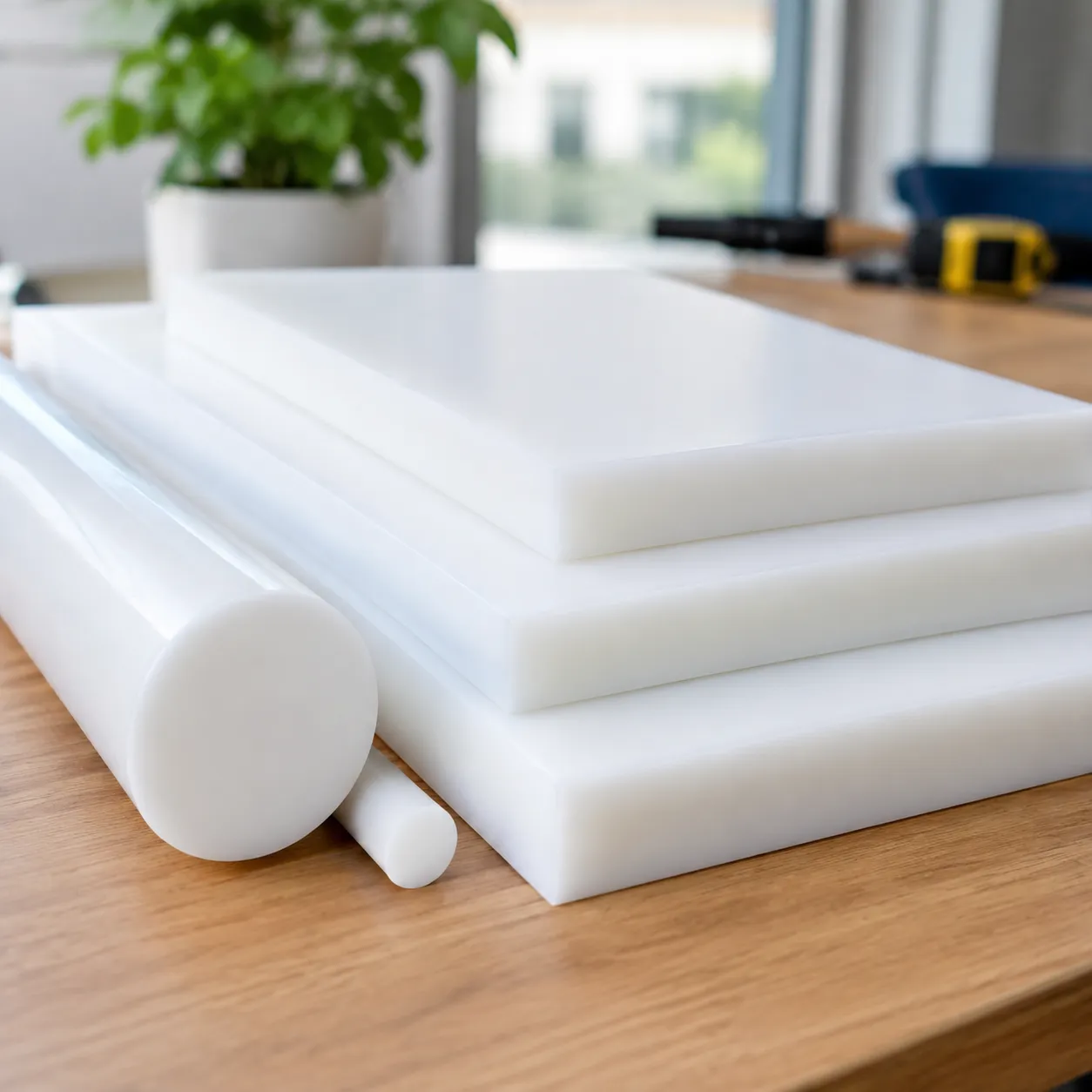
- Synergy with Plastics: Pairs effortlessly with engineered food conveyor wear materials like UHMW-PE and POM to minimize friction and wear.
Quality Control and Sanitary Compliance
We enforce strict quality control standards to guarantee that every bracket meets the harsh demands of seafood processing environments. From raw material intake to final packaging, our rigorous sanitary standards protect your production line against contamination, corrosion, and unplanned downtime.
Surface Finish (Ra) and Electropolishing Inspection
Seafood processing demands smooth, non-porous contact surfaces to prevent bacterial buildup and biofilm formation. Every electropolished 316L conveyor bracket undergoes meticulous surface validation to verify micro-smooth finishes that exceed sanitary requirements. Leveraging our specialized surface finishing capabilities, we achieve precise surface roughness (Ra) targets while ensuring optimal electropolishing passivation.
- Profilometer Verification: Contact and optical profilometer testing to confirm surface roughness levels down to Ra 0.4 µm (16 µin) or better.
- Passivation Testing: Chemical testing according to ASTM A967 standards to verify the complete removal of free iron and the establishment of a passive chromium oxide layer.
- Visual & Optical Inspection: High-magnification visual checks to eliminate microscopic pits, burrs, or surface inclusions.
Material Certification and Traceability
High-salinity environments rapidly expose inferior alloys. We guarantee the structural integrity of your sanitary conveyor components by enforcing total material control from raw bar stock to finished parts. Through our comprehensive quality inspection protocols, we provide full material documentation for complete peace of mind.
- Mill Test Reports (MTRs): Type 3.1 certifications providing full chemical composition and mechanical property data for every batch of 316L stainless steel.
- Positive Material Identification (PMI): On-site XRF analyzer testing on raw incoming materials to verify correct molybdenum and low-carbon content.
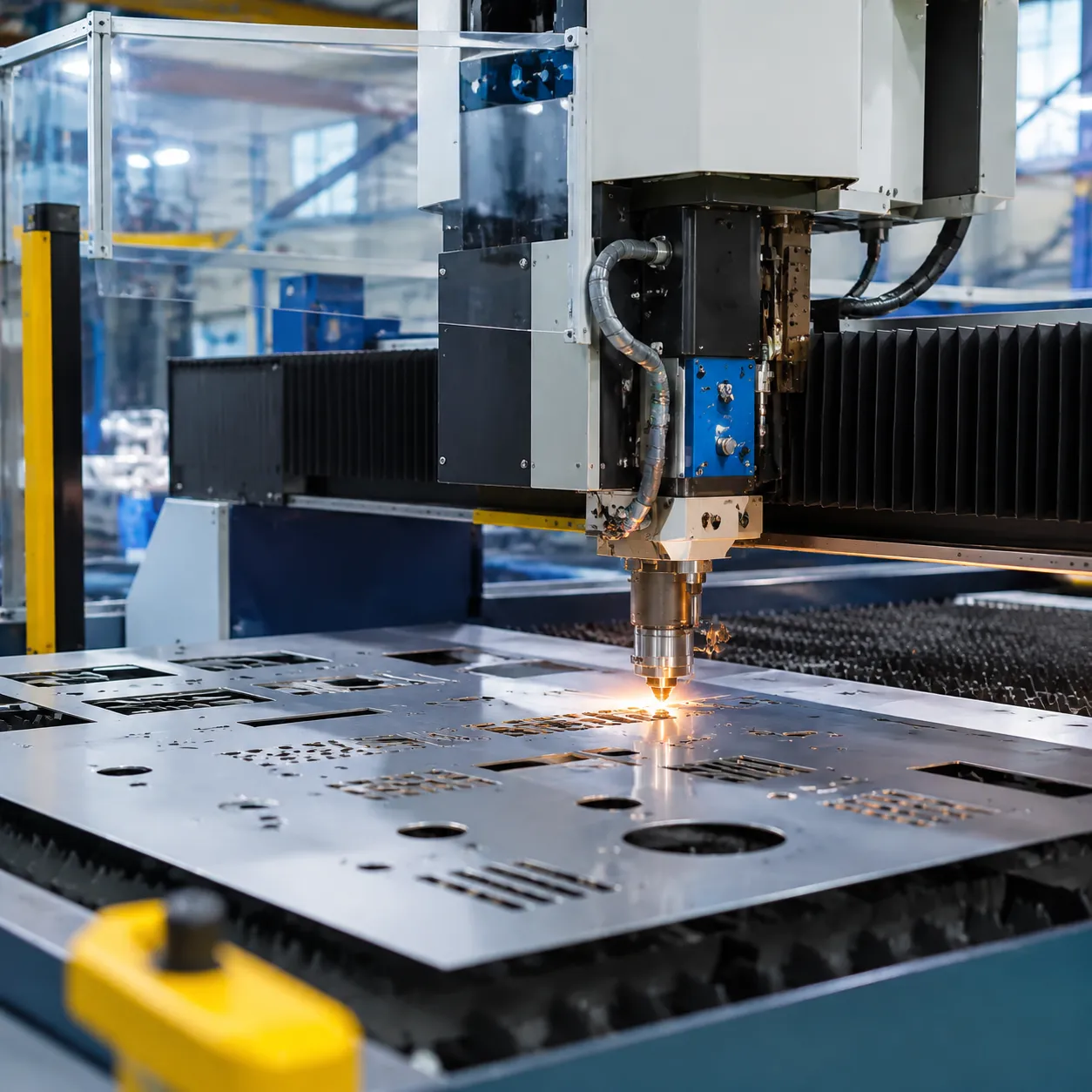
- Part Traceability: Custom laser engraving options for lot numbers, heat numbers, and part identifiers to maintain supply-chain accountability.
Compliance with FDA and Food Safety Standards
Our electropolished 316L conveyor brackets for seafood processing are manufactured to meet global food safety regulations and sanitary design guidelines, ensuring seamless integration into processing facilities worldwide.
| Compliance Standard | Application & Benefit |
|---|---|
| FDA Food Contact Compliance | Materials and finishes strictly comply with FDA regulations for direct and indirect food contact. |
| EHEDG & 3-A Design Principles | Radiused corners and crevice-free geometries prevent debris accumulation during harsh washdowns. |
| Cleanability Protocols | Completely free from processing oils, polishing compounds, and chemical residues upon delivery. |
How to Select and Source Custom Conveyor Brackets
Selecting the right electropolished 316L conveyor brackets for seafood processing requires balancing mechanical strength with strict hygiene standards. We evaluate critical structural factors to ensure seamless integration into high-capacity washdown conveyor systems.
Evaluating Load Capacity and Mounting Specifications
Seafood processing lines subject sanitary conveyor components to heavy product loads, constant vibration, and thermal shifts during freezing or washdown. Calculating static and dynamic loads prevents structural fatigue and conveyor belt misalignment.
| Spec Category | Evaluation Metric | Requirement for Seafood Lines |
|---|---|---|
| Load Capacity | Peak static & dynamic weight | Must withstand 2x operational load + impact forces |
| Mounting Pattern | Hole spacing & bolt configuration | Slotted or threaded mounts for quick alignment |
| Structural Rigidity | Bending moment resistance | Eliminates frame flex under heavy processing loads |
Custom Design Customization and CAD Requirements
Standard hardware rarely fits custom conveyor layouts. We work directly with your 3D CAD models (STEP, IGES, SolidWorks) to manufacture customized conveyor brackets optimized for sanitary washdown.
- Hygienic Geometry: Specify continuous smooth radii on internal corners to eliminate dead zones where food debris collects.
- Drainage Angles: Incorporate sloped mounting faces so water and cleaning chemicals drain freely.
- Material Integrity: Just like high-precision 316L food-grade CNC machined components, custom brackets require verified low-carbon stainless alloys to ensure lifetime corrosion resistance in saltwater environments.
Selecting a Precision CNC Machining Supplier
Partnering with an experienced manufacturer ensures your custom components meet stringent sanitary equipment standards.
- In-House Electropolishing & Passivation: Ensures controlled surface finish quality (Ra < 0.4 μ m) and reliable passive layer depth.
- Complete Material Traceability: Provides full Material Test Reports (MTRs) confirming authentic 316L stainless steel composition.
- Multi-Axis Machining Capabilities: Uses 5-axis CNC milling to manufacture complex bracket geometries with high repeatability.
- Sanitary Design Compliance: Delivers component designs that align with FDA, USDA, and EHEDG food safety guidelines.