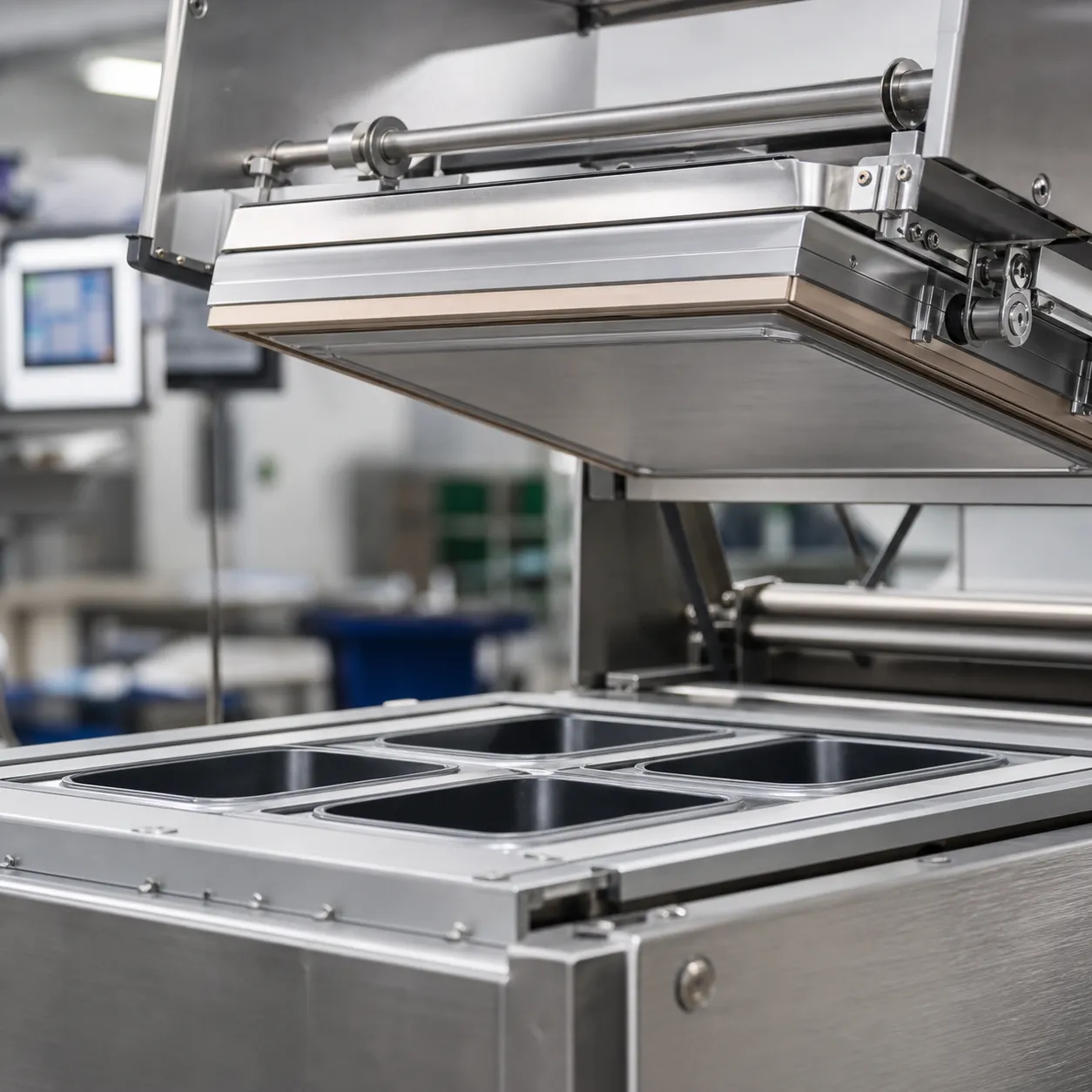
Overview
What Are Sealing Jaws & Heat Plates for Tray Sealers?
Sealing jaws and heat plates for tray sealers are precision-engineered tooling components that form the mechanical and thermal core of industrial packaging systems. They deliver targeted heat transfer and uniform clamping pressure to fuse flexible lidding films onto rigid or semi-rigid containers, guaranteeing clean, high-barrier packaging.
Understanding Heat Sealing Technology in Packaging
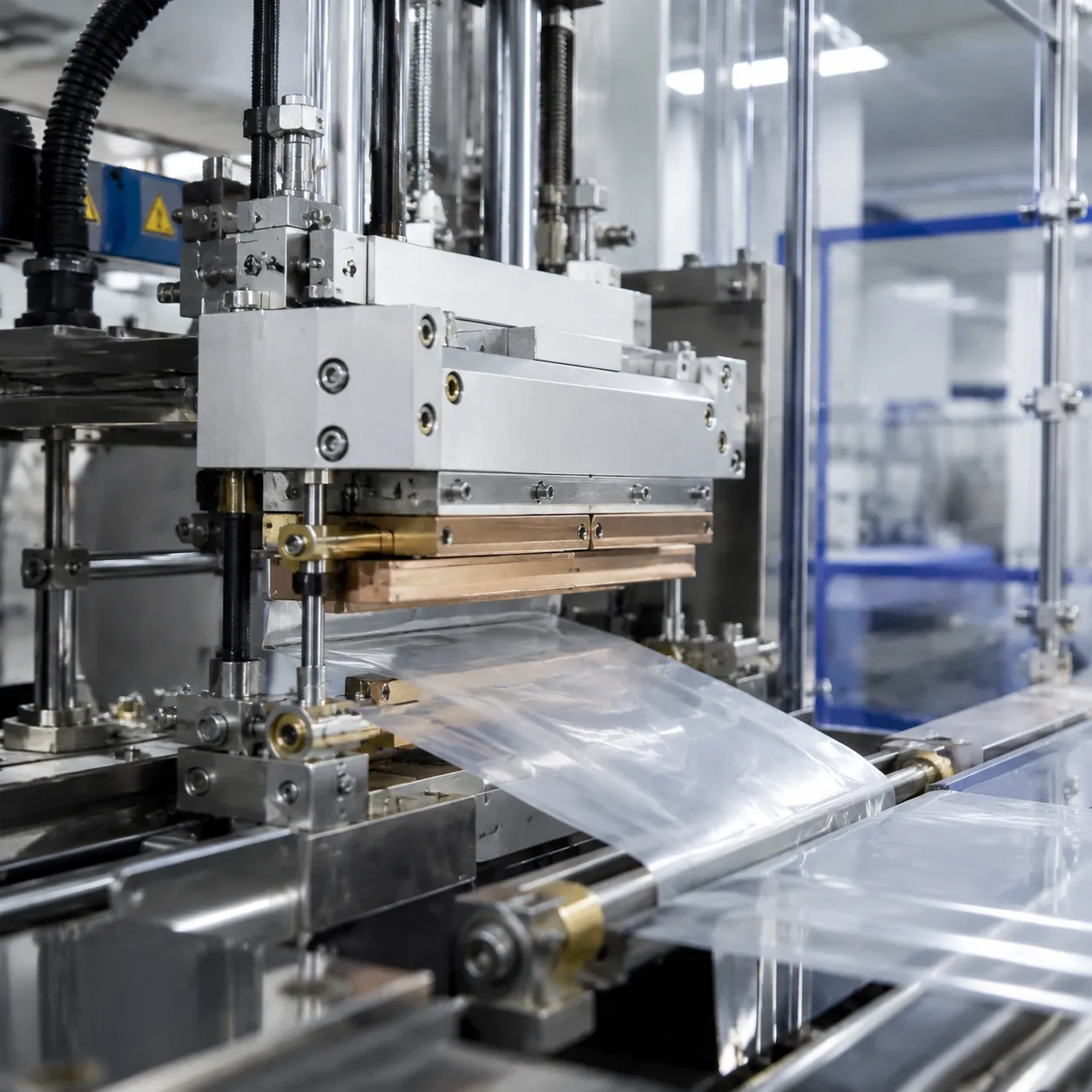
Heat sealing technology relies on three critical variables: temperature, pressure, and dwell time. During the sealing cycle, heat plates transfer thermal energy through the lidding film to melt its sealant layer, while sealing jaws apply calibrated pressure to weld the film directly to the tray lip.
- Airtight Sealing: Creates strong, hermetic bonds that prevent leaks and preserve product freshness.
- Thermal Efficiency: Maintains stable heat transfer across continuous heat sealing and high-speed packaging machinery cycles.
- Versatile Integration: Operates reliably across tray sealing platforms, thermoforming machinery, and specialized packaging setups.
Core Components of Tray Sealing Systems
An efficient tray sealing system integrates several high-precision tooling parts:
- Heat Plates: Solid metallic blocks housing high-density heating elements and accurate temperature sensors to maintain strict thermal thresholds.
- Sealing Jaws & Seal Fixtures: Engineered alignment bases designed with custom sealing profiles to distribute pressure evenly across the tray flange.
- Teflon Coated Jaw Surfaces: Non-stick thermal coatings that prevent film adhesion, eliminate material burn-on, and keep maintenance low.
- Tray Sealing Knives: Perimeter cutting blades that trim excess lidding film cleanly around the tray contour during the sealing stroke.
Key Design Features and Specifications
Serration Profiles and Surface Relief Options
Selecting the right surface relief geometry is critical for achieving a consistent, airtight sealing bond on every tray. The contact pattern directly dictates heat delivery and mechanical pressure distribution:
- Coarse Serrations: Ideal for heavy-duty tray films, cutting through light liquid or product contamination along the seal rim.
- Fine Pitch Profiles: Perfect for delicate, thin-gauge films where heat transfer must be fast without scorching or tearing.
- Flat Surface Reliefs: Designed for smooth, peelable lidding films requiring broad, uniform pressure across the tray flange.
Durable Materials and Thermal Coatings
We engineer heat plates and sealing jaws to withstand high-cycle production and harsh washdown conditions. Component lifespan depends on matching the right base metal with specialized non-stick coatings:
| Material / Coating | Key Characteristics | Primary Application |
|---|---|---|
| Aluminum | High thermal conductivity and rapid heat-up times. | High-speed food and retail packaging lines. |
| Stainless Steel | Superior wear resistance and non-corrosive build. | Sterile medical and harsh washdown facilities. |
| PTFE / Teflon Coating | Stops film melt sticking and reduces carbon buildup. | Long-lasting teflon coated jaw configurations. |
For maximum thermal efficiency, we recommend precision machined aluminum alloys, while high-hygiene applications benefit from corrosion-resistant stainless steel.
Precision Tooling and Custom Specifications
Every tray sealing line demands tight manufacturing tolerances to prevent seal leaks and premature tool fatigue. We engineer custom sealing profiles tailored to your tray geometry and film composition:
- Integrated Temperature Sensors: Machined channels house thermal probes for accurate real-time heating monitoring across the entire sealing plane.
- Micron-Level Surface Flatness: CNC-milled contact surfaces eliminate cold spots and ensure even force distribution.
- Modular Tooling Inserts: Quick-change jaw plates allow fast product switches with minimal line stoppage.
Types of Sealing Jaws and Heat Sealing Fixtures
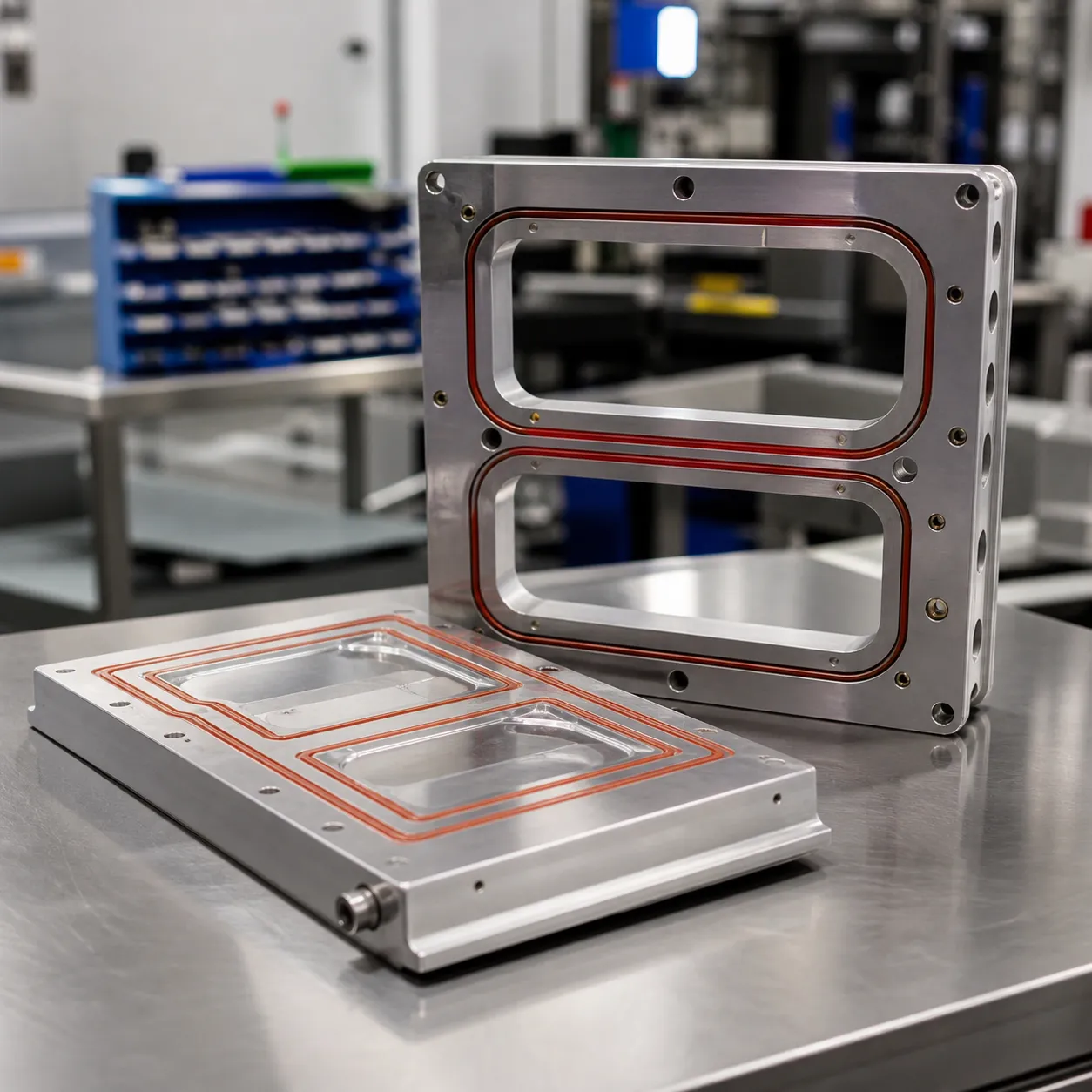
We offer a range of sealing jaws & heat plates for tray sealers engineered to handle diverse packaging demands, from high-speed automated lines to specialized container geometries.
Standard and Custom Sealing Tooling
Selecting the right tooling setup depends entirely on your tray geometry and film specifications. Standard seal fixtures fit common off-the-shelf tray shapes, minimizing lead times and setup costs. For non-standard container shapes or multi-compartment trays, custom sealing profiles ensure total seal integrity across every edge.
- Standard Tooling: Fits industry-standard rectangular, square, or round trays; ideal for quick replacement.
- Custom Tooling: Precision-machined for unique package contours, deep-draw designs, and complex barrier films.
- Modular Design: Simple setup that integrates seamlessly with existing tray sealers to adapt to changing production demands.
Flexible and Easy-Seal Jaw Configurations
To prevent film distortion and burn-through, specialized jaw configurations distribute clamping force evenly across every seal line, protecting product quality while maximizing throughput.
| Feature | Key Benefit | Primary Application |
|---|---|---|
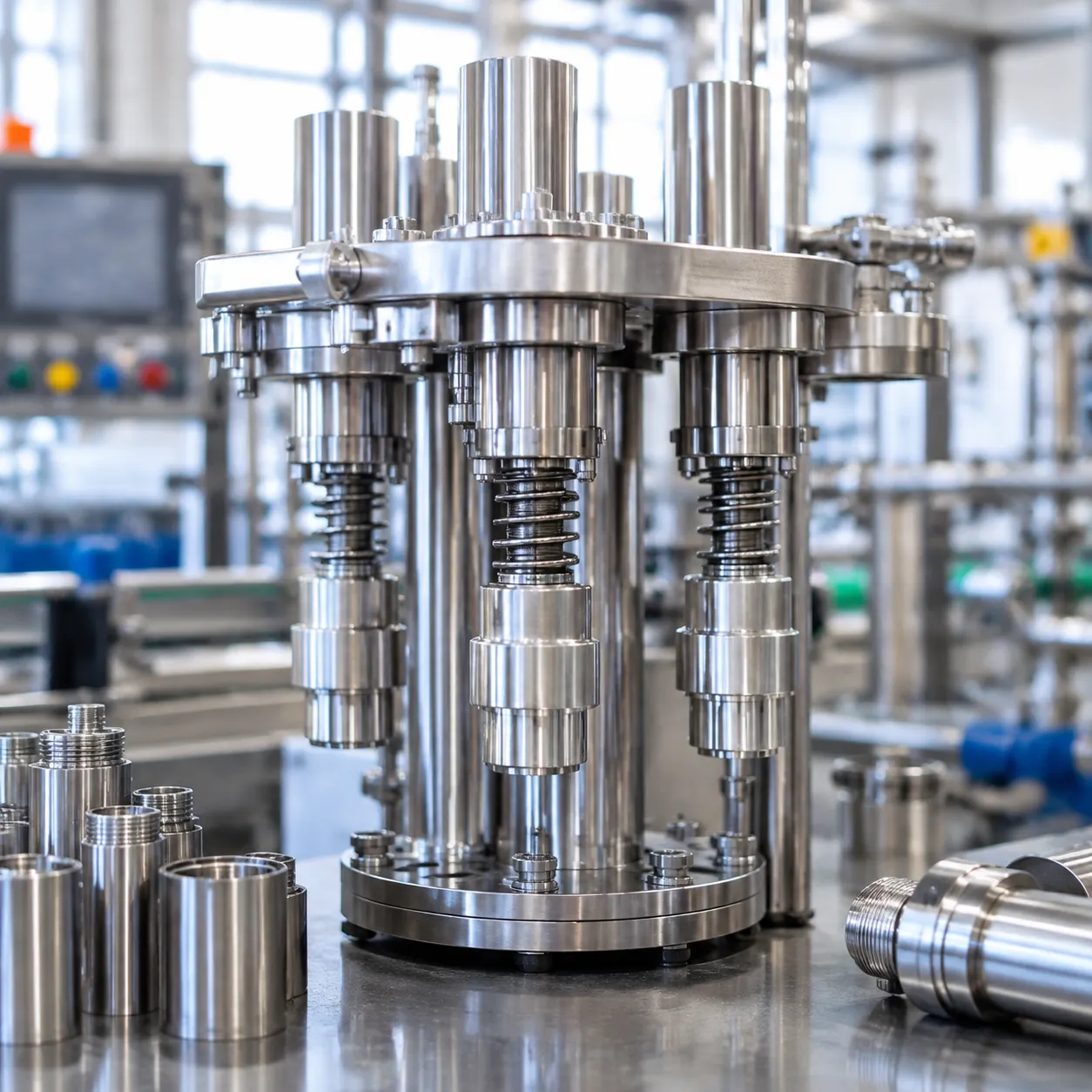
| Spring-Loaded Assemblies | Balances seal pressure across irregular tray lips | High-speed automated lines |
| Teflon Coated Jaws | Prevents film sticking and heat seal residue buildup | Continuous heat sealing operations |
| Quick-Change Tooling | Minimizes offline downtime during product turnover | Flexible, multi-SKU facilities |
Integrated Tray Sealing Knives and Cutting Blades
For a clean, professional shelf presentation, tray sealing knives are integrated directly into the heat plate assembly. This allows sealing and film trimming to execute in a single, synchronized mechanical stroke.
- Contour Cut Blades: Precision-ground blades that trim film flush against complex tray borders.
- Serrated & Straight Blades: High-wear steel edges designed for instant, clean film separation without fraying.
- Unified Tooling Blocks: Combining cutting components directly with high-performance sealing modules keeps packaging lines running reliably without film snagging.
Industry Applications for Tray Sealer Components
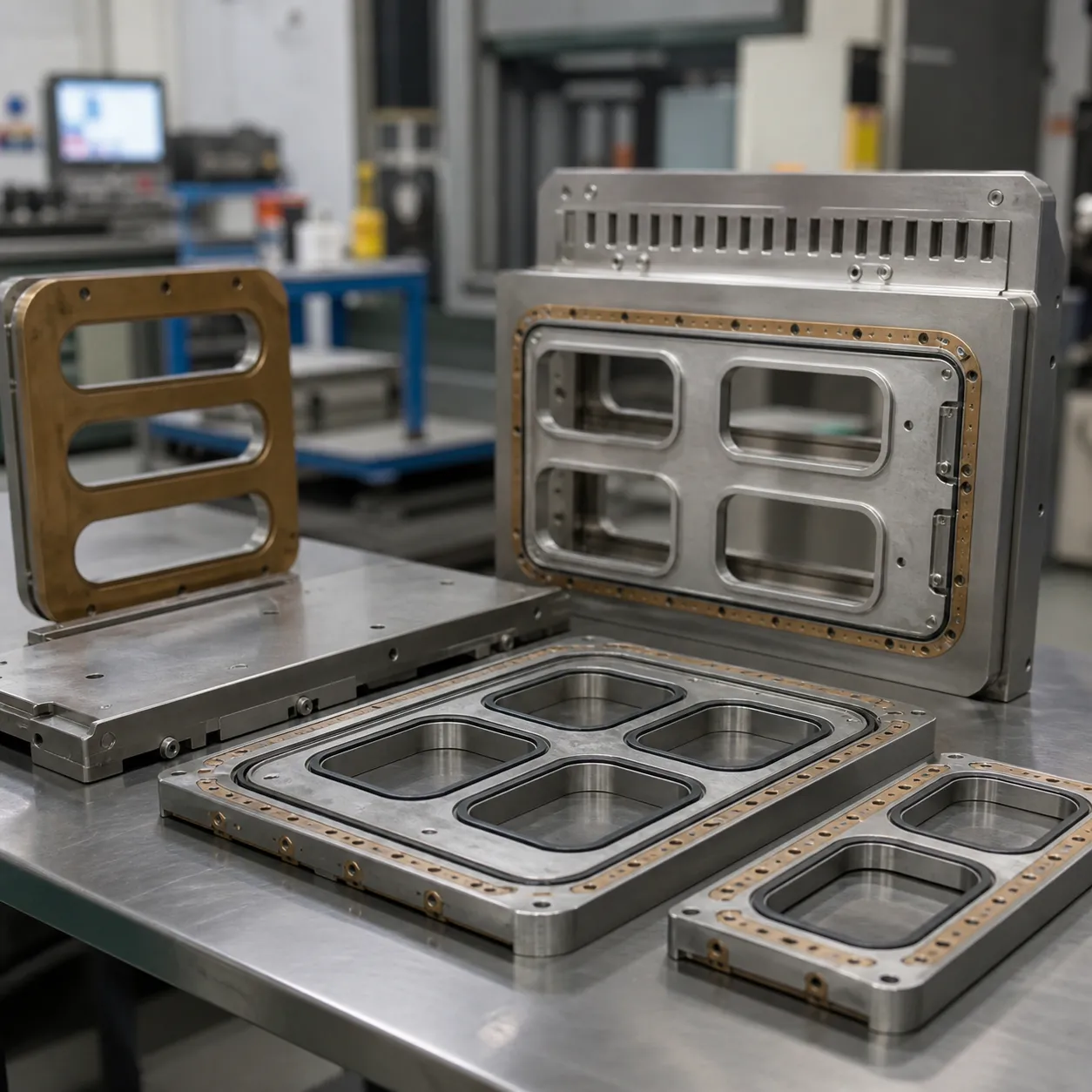
Reliable sealing jaws & heat plates for tray sealers are essential across diverse manufacturing sectors. We build durable, precision-machined tooling designed to maintain strict seal integrity, survive continuous thermal cycling, and maximize production efficiency.
Food and Beverage Packaging Solutions
In the food processing industry, maintaining product freshness, preventing leaks, and eliminating contamination are non-negotiable. We engineer tray sealer components specifically tailored for fresh meats, ready meals, produce, and dairy packaging:
- Modified Atmosphere Packaging (MAP): Precision heat plates ensure an airtight sealing surface to lock in barrier gases and maximize shelf life.
- Non-Stick Performance: Optional teflon coated jaw surfaces prevent film sticking, burning, and residue buildup during rapid packaging cycles.
- Clean Perimeter Trimming: Integrated tray sealing knives deliver crisp, burr-free cuts around every tray contour for attractive retail displays.
Medical and Pharmaceutical Tray Sealing
Medical device and pharmaceutical packaging demands total package integrity, cleanroom compliance, and strict batch validation. Our medical-grade sealing fixtures deliver repeatable accuracy under demanding quality standards:
- Thermal Uniformity: Embedded high-accuracy temperature sensors eliminate hot and cold spots across the sealing face.
- Leak-Free Validation: Rigid seal fixtures maintain perfectly parallel alignment to avoid micro-leaks in Tyvek®, foil, or blister trays.
- Cleanroom Ready: Smooth, easy-to-clean surface finishes resist oxidation and withstand frequent chemical wipe-downs.
Industrial and Commercial Product Packaging
Industrial components, electronics, hardware, and personal care items rely on robust packaging to survive handling and shipping. Supporting the broader packaging industry, our heat plates and sealing jaws seamlessly integrate into automated production lines:
- Machine Adaptability: Engineered to retrofit seamlessly into standard packaging machinery, thermoforming machinery, and custom packaging setups.
- Custom Sealing Profiles: Specialized knurl and serration patterns designed to bite through thick PET, PVC, and polypropylene films.
- High-Volume Durability: Built from premium tool steels and alloys that endure continuous heat sealing without warping or losing clamping pressure.
sensitive content
Proper Setup, Calibration, and Maintenance
Keeping your sealing jaws & heat plates for tray sealers dialed in is the secret to avoiding leaking packages, film burn-through, and sudden line stoppages. Proper installation and routine maintenance guarantee consistent thermal transfer and long-term reliability.
Inspection and Mechanical Jaw Alignment
Before powering on the system, mechanical alignment must be exact. Even the slightest offset creates uneven seal thickness and compromised barrier performance.
- Surface Check: Inspect the teflon coated jaw faces for chips, deep scratches, or burnt-on film residue.
- Parallel Alignment: Adjust mounting blocks to ensure the upper heat plate and bottom tool meet perfectly flat across all axis points.
- Precision Verification: Adhering to strict quality inspection standards during jaw setup prevents premature wear on guide pins and pneumatic actuators, ensuring long-term airtight sealing.
Pressure Impression and Temperature Adjustments
Balancing pressure and heat creates the structural bond required for leak-proof packaging.
- Thermal Mapping: Use calibrated temperature sensors to verify even heat distribution across the entire surface of the heat plates. Cold spots lead to unsealed edges.
- Pressure Paper Tests: Run pressure-sensitive impression film between the sealing jaws to map out clamping force.
- Force Equalization: Fine-tune pneumatic cylinders or mechanical springs until the contact impression is uniform across every single tray cavity.
Preventative Maintenance and Cleaning Protocols
A disciplined maintenance routine protects your investment and maintains high production speeds across every shift.
- Daily Hot Cleaning: Wipe down heat plates while warm using soft brass brushes or non-abrasive cloths to clear film build-up without stripping protective coatings.
- Blade Inspections: Regularly check integrated tray sealing knives for dullness, missing teeth, or misalignment to maintain crisp film cuts.
- Lubrication: Keep guide shafts and mechanical pivot points lubricated with high-temperature, food-grade lubricants.
- Thermal Recoating: Plan routine re-tefloning before bare metal shows through to preserve smooth release performance and prevent costly downtime.
How to Choose the Right Sealing Jaws and Heat Plates
Choosing the right sealing jaws & heat plates for tray sealers directly impacts seal integrity, cycle speed, and overall line efficiency. We balance tray metallurgy, film chemistry, and machine specifications to deliver seal fixtures that produce consistent, airtight sealing every time.
Evaluating Film and Tray Material Compatibility
Matching the heat plate surface and jaw profile to your packaging substrates prevents film burn and incomplete seals. Different tray materials demand distinct thermal transfer rates and pressure levels:
- Polypropylene (PP) & PE Trays: Require moderate temperatures (140°C–180°C) with uniform pressure distribution to avoid tray warping.
- CPET / APET Trays: Demand fast thermal transfer and precise cooling zones to maintain structural integrity while securing strong heat seals.
- Aluminum Foil Containers: Need specialized coated jaw surfaces to prevent metal-on-metal wear and uneven heat dissipation.
- Barrier & Lidding Films: Specialty films used in demanding environments, like vacuum or MAP applications in the meat processing industry, require custom heat profiles to ensure a reliable seal barrier.
Production Speed and Thermal Efficiency Requirements
To keep high-speed packaging machinery running smoothly, heat plates must maintain stable temperatures during rapid cycles.
- Thermal Mass & Conductivity: High-grade aluminum alloys deliver rapid heat recovery between cycles, while non-stick coatings stop film melt from sticking to the plate.
- Embedded Temperature Sensors: Precision temperature sensors eliminate hot spots and cold zones across the sealing area, keeping quality uniform at maximum operational speeds.
| Feature / Specification | Standard Heat Plates | Teflon-Coated Plates | High-Density Custom Tooling |
|---|---|---|---|
| Thermal Recovery | Standard | Fast | Ultra-Fast |
| Wear Resistance | Moderate | High | Superior |
| Primary Advantage | Low initial cost | Prevents film sticking | Built for continuous high-speed runs |
| Best Substrate Match | Simple PE / PP trays | Sticky / Barrier lidding films | Complex tray geometry & high-volume production |
Selecting Between OEM and Custom Tooling Suppliers
When replacing or upgrading sealing jaws & heat plates for tray sealers, you can choose stock replacements or custom-engineered components:
- Stock OEM Replacement: Ideal for standard tray sizes and quick off-the-shelf swaps when original specifications do not need changing.
- Custom Sealing Tooling: Best for non-standard tray shapes, tricky lip widths, or unique film types. We build custom sealing profiles engineered to maximize pressure efficiency, lower reject rates, and extend tooling lifespan.