What is DLC Coating and How Does It Work in Food Processing?
Diamond-Like Carbon (DLC) coating is a high-performance thin film coating that bridges the gap between diamond hardness and graphite lubricity. Designed for heavy-duty manufacturing environments, DLC coating provides superior surface protection for equipment processing abrasive and viscous materials.
Definition and Mechanism of Diamond-Like Carbon (DLC) Coating
DLC coatings are nanocomposite carbon films synthesized using advanced vapor deposition processes, such as Plasma-Enhanced Chemical Vapor Deposition (PECVD) and Physical Vapor Deposition (PVD).
- Atomic Structure: DLC combines diamond-like sp3 hybridized carbon bonds with graphite-like sp2 carbon bonds.
- Interfacial Bonding: The process creates strong chemical bonds directly with the metal substrate, producing a thin layer (typically 1 to 5 microns) that will not chip or peel under severe strain.
- Substrate Protection: It shields underlying metal parts from direct mechanical wear, chemical attacks, and surface deformation.
Key Physical Properties: High Hardness and Low Friction
DLC surface treatments transform standard industrial alloys into ultra-durable wear parts.
| Physical Property | Performance Value | Industrial Benefit |
|---|---|---|
| Surface Hardness | 2,000 – 5,000 HV | Prevents micro-scratching and particle erosion |
| Friction Coefficient | 0.05 – 0.15 | Minimizes wear, friction, and heat build-up |
| Coating Thickness | 1 – 5 μm | Maintains exact component tolerances and fit |
| Chemical Inertness | High | Protects against corrosion and oxidation |
The combination of extreme hardness and exceptional lubricity allows mechanical components to operate continuously with minimal friction-induced energy loss and surface degradation.
Biocompatibility and Food Safety Standards Compliance
Food contact safety is non-negotiable in processing pet food. DLC coatings meet demanding international regulatory standards, making them an ideal solution for direct food contact parts.
- FDA Compliance: Chemically inert and non-toxic, fully meeting food safety requirements for dry and wet food processing.
- Contamination Prevention: High wear resistance eliminates metal micro-particulate shedding into pet food formulations.
- Inert Surface: Highly resistant to acidic additives, animal fats, and aggressive sanitation chemicals, preventing surface breakdown over time.
Wear Challenges in Pet Food Manufacturing Equipment
Pet food manufacturing is one of the most demanding environments for processing machinery. Heavy processing of abrasive grains, bone meal, high-fat slurries, and organic acids pushes equipment to its physical limits every single day. Without proper surface protection, friction and chemical breakdown severely compromise operational efficiency across the pet food industry.
Abrasive and Erosive Wear in Extrusion and Mixing
Extrusion and high-shear mixing subject machinery to intense, continuous mechanical force. As dry ingredients, bone meal, and mineral supplements move through processing lines, they act like industrial sandpaper against bare metal:
- Abrasive Wear: Hard mineral particles grind directly against metal walls, screws, and mixing elements, continuously scratching and stripping material away.
- Erosive Wear: High-velocity slurries under extreme pressure scour die ports and liners, wearing down precise tolerances and thinning critical equipment walls.
Corrosion Risks from Acidic and High-Fat Pet Food Ingredients
Mechanical wear is only half the battle; chemical attack accelerates component failure. Modern pet food formulas rely on organic acids, liquid digests, animal fats, and mineral salts. Exposed to heat and humidity inside extruders, these ingredients form an aggressive micro-environment. Acidic compounds cause micro-pitting in the metal substrate, making the surface far more vulnerable to rapid friction wear.
Critical Components Subject to Premature Wear
Unprotected metal components degrade rapidly under combined mechanical and chemical stress. Identifying high-stress wear parts helps us apply targeted surface protection right where it is needed most:
| Component | Primary Wear Driver | Operational Impact |
|---|---|---|
| Extruder Screws & Barrels | High-pressure friction & bone meal abrasion | Loss of pressure, reduced throughput, elevated energy consumption |
| Shaping Dies & Plates | High-velocity abrasive slurry erosion | Inconsistent kibble sizing, target shape deformation |
| Rotary Cutting Knives | Edge erosion & corrosive micro-pitting | Unclean kibble cuts, frequent blade changes, increased maintenance downtime |
| Dosing Pumps & Valves | Acidic slurries & fine particulates | Dosing inaccuracy, fluid leaks, premature seal breakdown |
Understanding these severe wear mechanisms makes it clear why upgraded surface protection is essential—and why leveraging advanced solutions like a DLC coating extends pet food wear part life while reducing costly maintenance halts.
How DLC Coating Extends Pet Food Wear Part Life
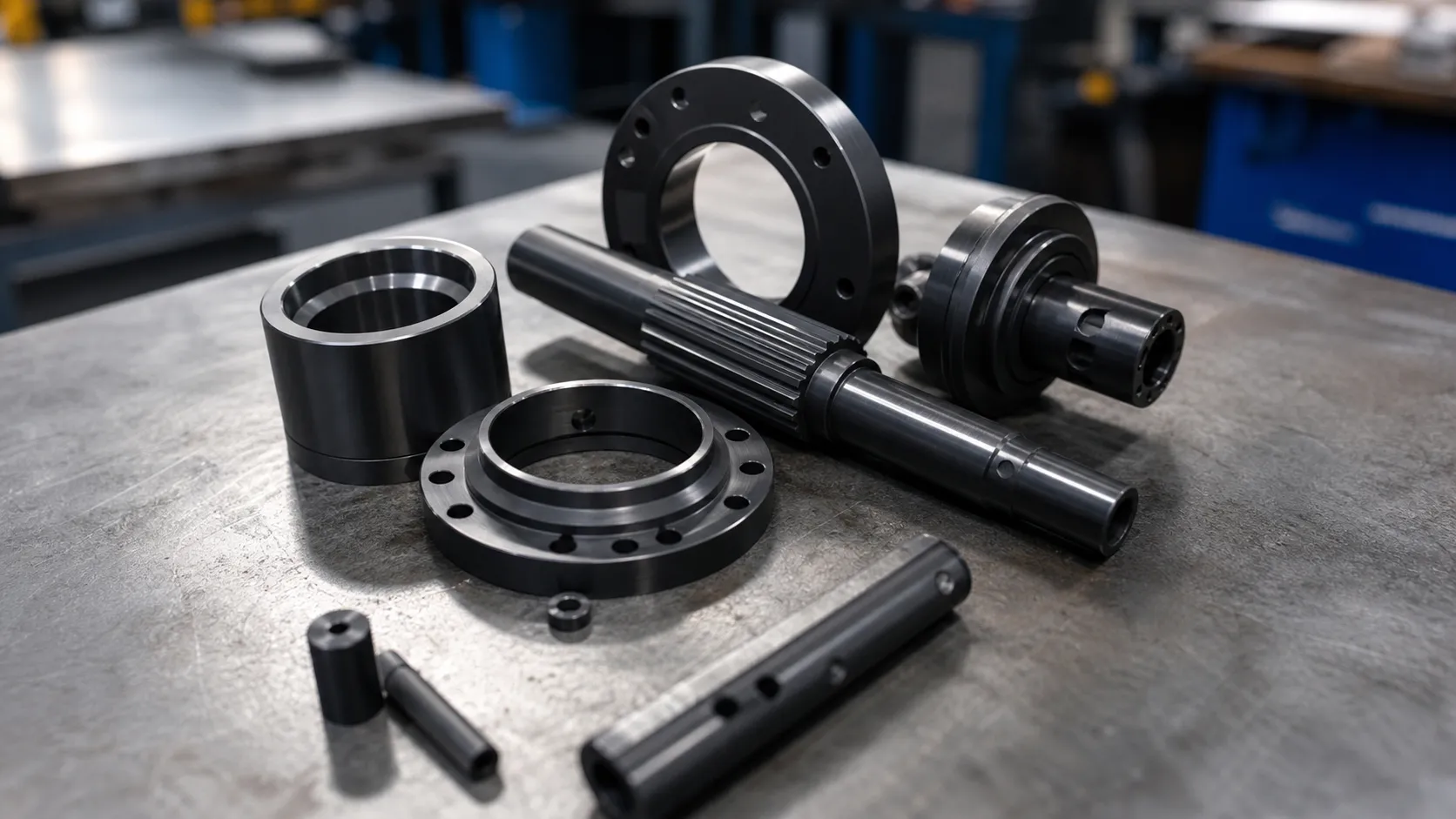
We see firsthand how aggressive pet food recipes destroy standard metal tooling. Integrating a diamond-like carbon thin film coating onto critical processing components fundamentally changes how your equipment withstands daily production stress. DLC coating extends pet food wear part life by forming an ultra-hard, slick barrier that shields raw metals from extreme physical and chemical demands.
Significant Reduction in Surface Friction and Friction-Induced Heat
High friction inside processing equipment generates localized heat that cooks proteins and scorches fats right onto mechanical surfaces. DLC coatings cut the friction coefficient down to extreme lows, allowing materials to glide smoothly.
- Heat Mitigation: Prevents thermal degradation of sensitive ingredients during high-speed run times.
- Energy Savings: Reduces torque and mechanical resistance, taking pressure off drive motors.
- Smooth Operation: Maintains steady material flow through high-pressure zones without micro-seizing.
Enhanced Resistance to Abrasive Pet Food Formulations
Bone meal, mineral mixes, and dense grains act like fluid sandpaper on processing metal. DLC provides extreme surface hardness, creating an unyielding shield against severe abrasive wear. Upgrading high-wear machine parts with DLC protects against deep scratching, erosion, and dimensional changes that disrupt production accuracy.
| Feature | Standard Metal Surface | DLC Coated Surface |
|---|---|---|
| Wear Mechanism | Rapid gouging & scoring | Ultra-hard scratch resistance |
| Abrasive Tolerance | Low (degrades under ash/bone meal) | High (maintains surface integrity) |
| Surface Smoothness | Roughs over time | Retains slick finish longer |
Prevention of Ingredient Adhesion and Material Buildup
Sticky slurry and high-fat recipes naturally cling to bare steel, causing clogging and localized corrosion. DLC boasts outstanding non-stick characteristics and low surface energy, stopping residue before it clings.
Across the modern food processing industry, preventing material adhesion keeps lines moving efficiently. DLC ensures continuous product release, reduces cross-contamination risks, and drastically shortens sanitation washdown cycles.
Increased Component Lifespan and Reduced Maintenance Downtime
Extending the service life of your machinery directly improves profitability. DLC coating extends pet food wear part life by up to 3x to 10x compared to untreated tooling, slashing your overall cost of ownership.
- Fewer Line Shutdowns: Minimize unscheduled emergency stops for part replacement.
- Consistent Product Quality: Maintain exact physical dimensions on shaping dies and blades over millions of cycles.
- Lower Spare Part Costs: Realize immediate ROI by drastically extending time between component swap-outs.
- Primary Applications of DLC Coating in Pet Food Machinery
We apply thin film diamond-like carbon coatings directly to high-wear machinery components to stop premature breakdown before it starts. By targeting the exact areas subject to severe friction and abrasion, DLC coating extends pet food wear part life and maintains consistent production output.
Extruder Screws, Barrels, and Shaping Dies
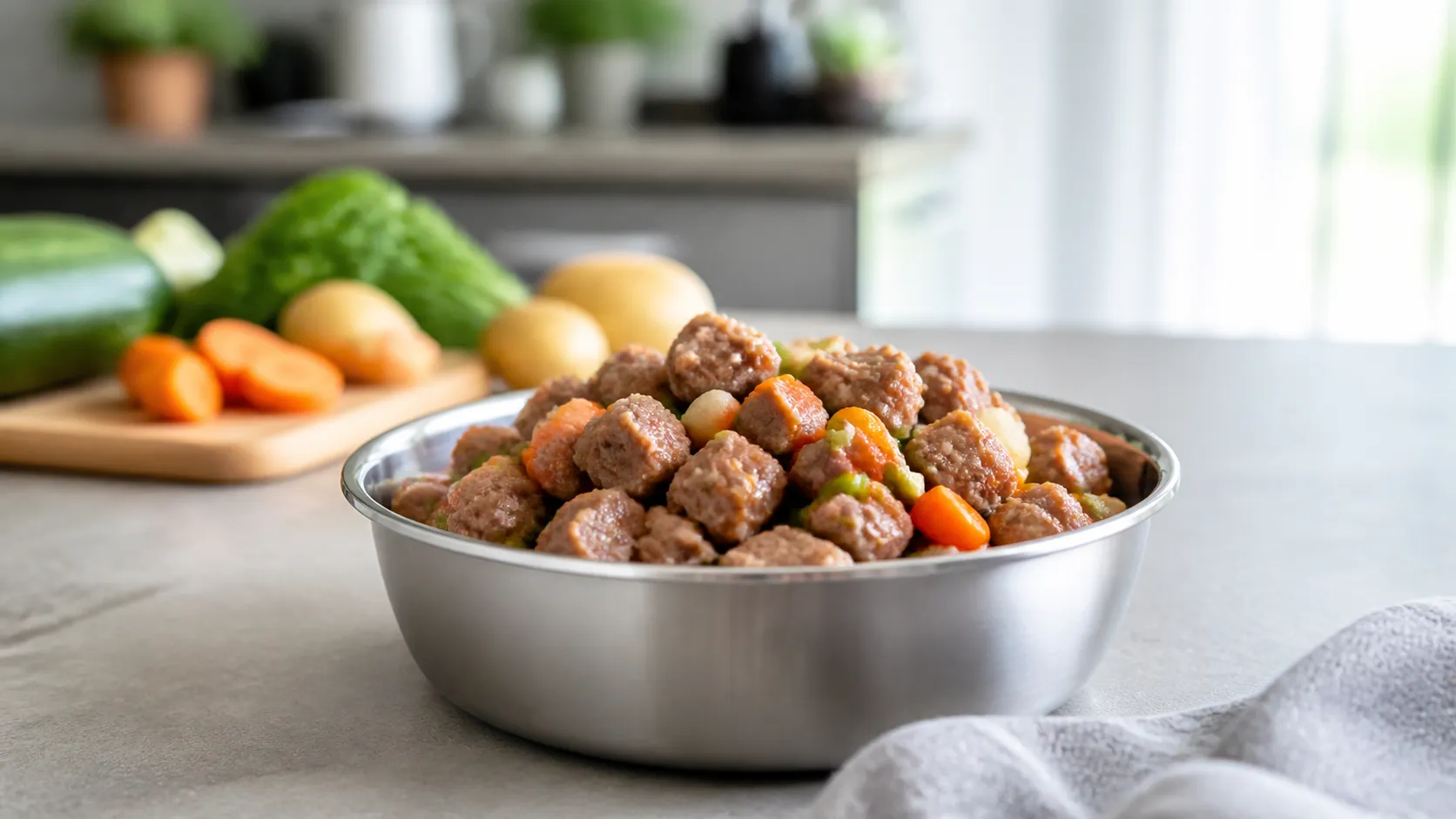
Extrusion equipment takes the heaviest beating in pet food processing due to intense pressure, heat, and abrasive starch slurries.
- Extruder Screws & Barrels: Applying DLC coating to high-shear flight zones reduces friction-induced heat and protects tight tolerances between the screw and barrel walls.
- Shaping Dies: Coated die orifices resist severe erosion from dense kibble recipes. This ensures uniform piece sizing, clean extrusions, and zero sticky ingredient buildup around die face ports.
- Service Life Extension: Protected extrusion tooling delivers reliable wear resistance, cutting replacement frequency dramatically.
High-Speed Cutting Blades and Rotary Knives
Rotary knives and fly cutters face constant friction while chopping wet, tacky, or dry extrudates at high speeds. Uncoated blades quickly dull, leading to uneven cuts and frequent line shutdowns.
- Edge Retention: The extremely low friction coefficient of DLC coatings keeps cutting edges sharp up to five times longer than bare stainless steel.
- Clean Cuts: Smooth surface lubricity stops wet kibble slurry from clinging to the blade face, preventing crushed products and ragged edges.
- Reduced Motor Strain: Sharp, low-friction blades require less drive torque, protecting motor assemblies from heat overload.
Dosing Pumps, Valves, and Conveying Systems
Slurry dosing systems handle thick fats, digest liquids, and acidic flavor enhancers that degrade mechanical surfaces over time.
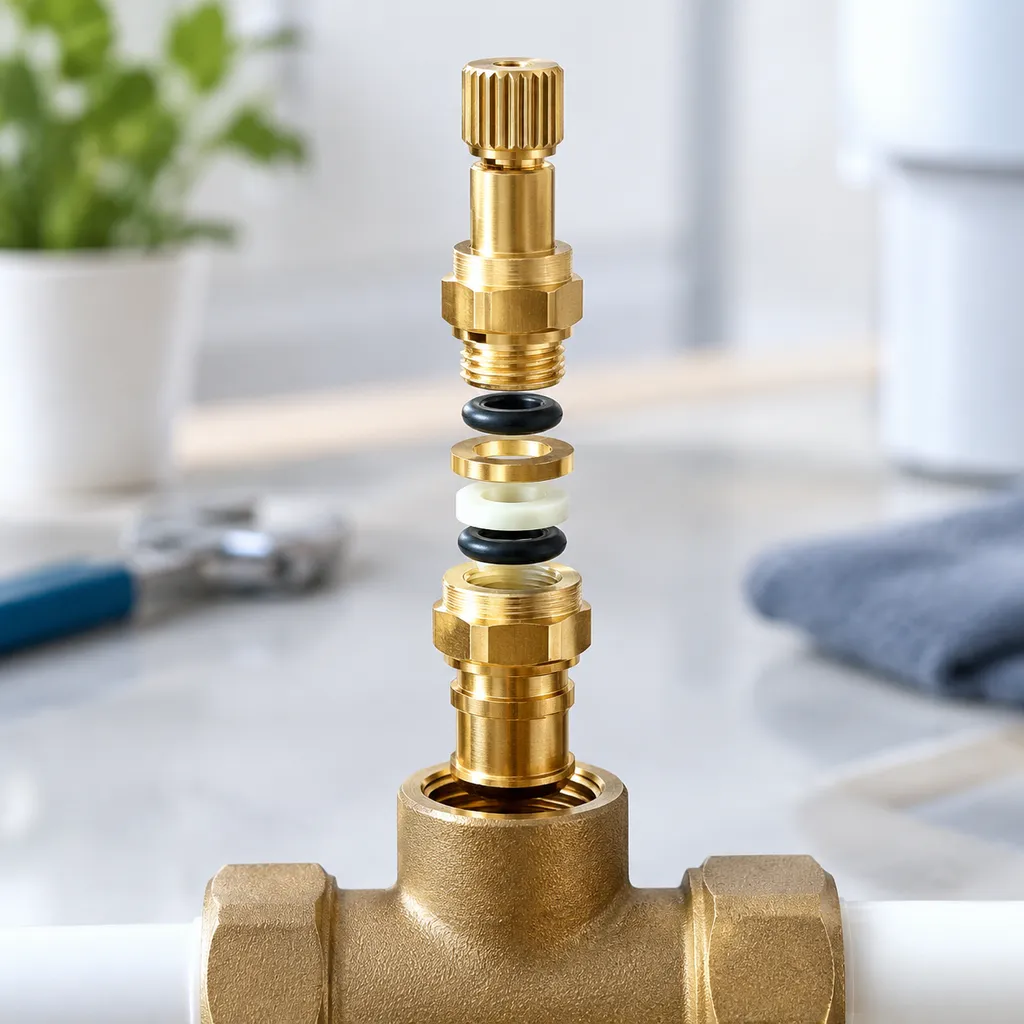
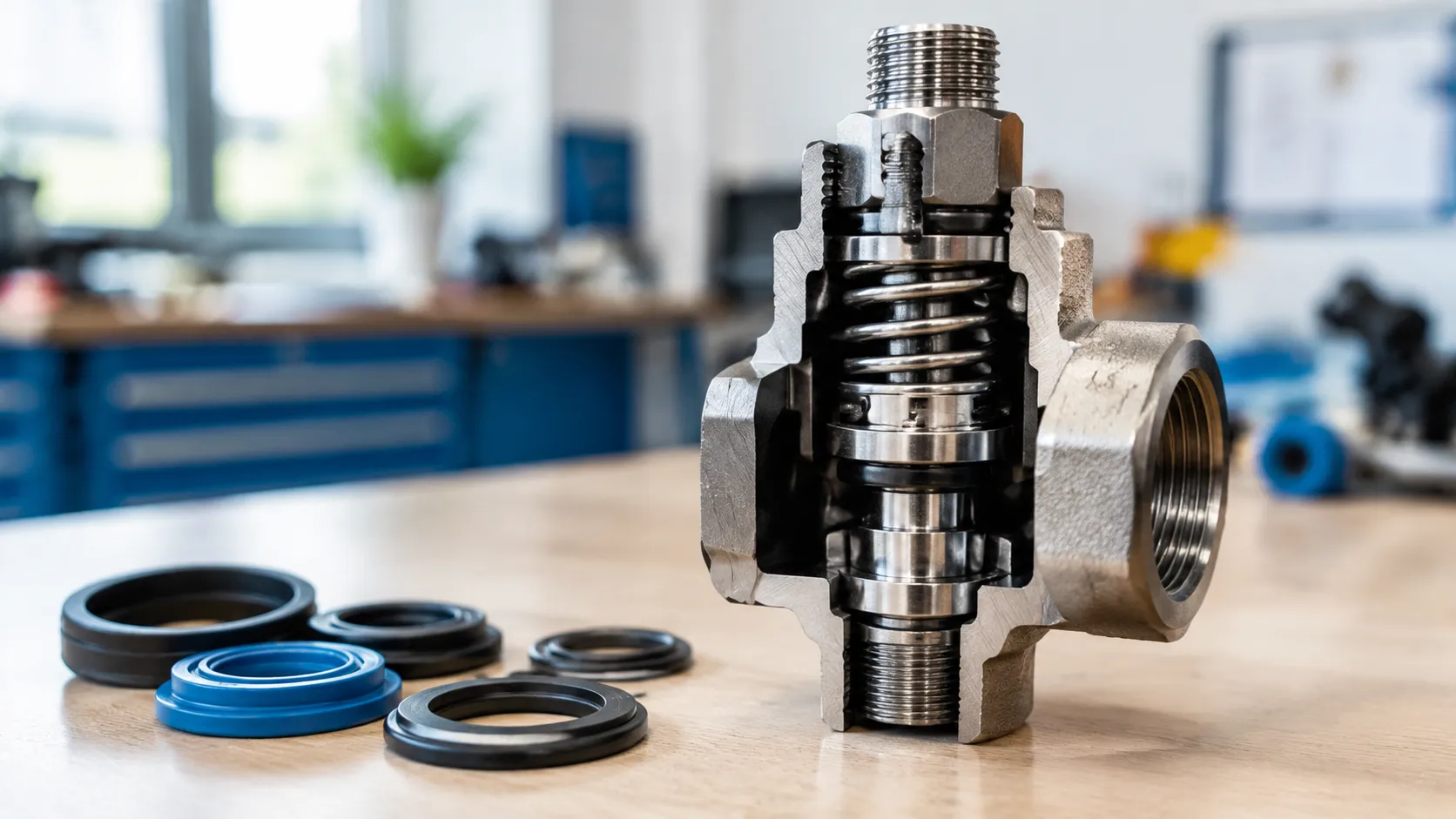
- Dosing Pumps & Valves: Liquid delivery hardware benefits from total surface lubricity and chemical barrier protection. Drawing from our experience with specialized valve manifold manufacturing, protecting fluid control components ensures zero leakage and steady volumetric accuracy.
- Conveying Screws & Rotors: DLC thin film coating prevents sticky ingredients from building up on augers and rotary valves, keeping material moving smoothly without binding.
- Component Protection: Vital fluid handling parts remain fully functional under heavy daily exposure to corrosive and abrasive media.
- DLC Coating vs. Traditional Surface Treatments for Wear Parts
When upgrading pet food processing machinery, traditional surface treatments like hard chrome, nitriding, or thermal sprays are often the standard choice. However, diamond-like carbon (DLC) coating delivers distinct physical performance advantages that directly extend wear part life.
DLC Coating vs. Hard Chrome Plating
Hard chrome plating has long been a go-to surface layer, but it carries clear limitations in high-stress pet food plants:
Friction and Wear: Hard chrome offers decent hardness, but its higher friction coefficient generates extra heat. DLC coating provides an ultra-low friction surface, reducing heat and surface degradation.
Flaking and Safety: Chrome can micro-crack or chip off under heavy mechanical shock, risking batch contamination. DLC thin film coating adheres tightly without micro-cracking, maintaining full component protection.
Environmental Impact: Chrome plating faces growing regulatory constraints, whereas chemical vapor deposition processes used for DLC coatings offer a much cleaner, compliant profile.
DLC Coating vs. Nitriding and Thermal Spray Coatings
Nitriding hardens the metal surface, while thermal spray adds a thick ceramic or alloy barrier. Yet, both fall short when handling abrasive wet pet food slurries:
Nitriding: Increases base hardness, but lacks the extreme lubricity needed to prevent sticky ingredient buildup and friction heat.
Thermal Spray: Offers a thick layer, but weaker interfacial bonding can cause delamination or spalling under rapid temperature shifts and heavy mechanical pressures.
The DLC Advantage: DLC blends superior diamond-like hardness with remarkable surface lubricity. Its thin, uniform layer coats delicate geometries on your replacement wear parts without altering critical fit tolerances.
Cost-Benefit and Return on Investment (ROI) Analysis
While applying DLC coating requires a slightly higher initial investment than traditional treatments, the service life extension it provides creates an unmistakable return on investment.
| Surface Treatment | Friction Coefficient | Wear Resistance | Risk of Downtime | Long-Term ROI |
|---|---|---|---|---|
| Hard Chrome | Moderate | Moderate | High (Flaking/Wear) | Low to Fair |
| Nitriding | Moderate | Moderate to High | Medium | Fair |
| Thermal Spray | Moderate to High | High | Medium (Delamination) | Fair |
| DLC Coating | Extremely Low | Exceptional | Extremely Low | Maximum |
By slashing unplanned maintenance downtime and cutting part replacement frequency, DLC coating quickly pays for itself. Keeping high-speed lines running continuously converts those coating costs directly into operational profit.
Selection Guidelines and Limitations of DLC Coating
While applying DLC coating extends pet food wear part life significantly, achieving optimal performance depends on proper specification. Diamond-like carbon thin film coating delivers high wear resistance and low friction, but base material compatibility and operating constraints dictate overall success.
Substrate Material Compatibility and Preparation
Not all metals react the same way to coating processes. Proper substrate selection and surface preparation are essential for strong interfacial bonding and preventing premature coating failure.
- Compatible Substrates: High-speed tool steels, titanium alloys, and high-grade stainless steel components provide the core hardness needed to support the ultra-hard DLC layer.
- Surface Polish: Base parts must be precision-machined and polished. Surface defects or micro-roughness prevent uniform coating and compromise adhesion.
- Deposition Process: Techniques like plasma-assisted chemical vapor deposition or PVD must be calibrated to the substrate's heat-treatment temperature to avoid softening the underlying metal.
Evaluating your underlying manufacturing materials beforehand ensures robust component protection during high-load processing cycles.
Operating Temperature Limits and Environmental Factors
DLC coatings excel in high-wear environments, but environmental limits must be respected:
- Thermal Thresholds: Standard DLC coatings maintain structural integrity up to 300°C to 350°C (572°F to 662°F). Exceeding these temperatures causes graphitization, breaking down the coating's hardness.
- Chemical Stability: DLC provides excellent resistance against acidic additives, high-fat slurries, and aggressive CIP cleaning solutions without degrading.
- Mechanical Shock: While extremely hard, thin DLC films require uniform load distribution; sharp, heavy impacts can cause surface spalling if the substrate underneath yields.
Best Practices for Choosing DLC Solutions for Pet Food Equipment
To maximize service life extension and maintain full FDA compliance, keep these steps in mind when retrofitting machinery:
- Prevent the Eggshell Effect: Always ensure the substrate material is hardened sufficiently to support the thin outer coating under heavy loads.
- Map Operating Thermal Profile: Verify that continuous extrusion, mixing, or cutting temperatures stay within the thermal limits of the selected DLC formulation.
- Pair Mating Surfaces Wisely: Balance hardness levels between interacting wear parts to maintain optimal lubricity and reduce friction coefficients across the assembly.
- Custom Coating Thickness: Adjust film thickness based on the application—thinner films for sharp cutting blades, thicker layers for high-abrasion slurry valves and pump housings.