Electropolishing and Filling Valve Surface Finish
Electropolishing removes metal electrochemically from a stainless steel surface. It can be considered as a finishing step for filling valve bodies, but the required result must be defined from the valve design and application. A reflective appearance alone is not evidence of cleanability, corrosion resistance or sealing performance.
This article explains drawing and inspection considerations. ZSCNC's Wuxi machining base focuses on CNC milling and turning. An electropolishing route, treated areas and acceptance evidence must be confirmed separately before order acceptance.
Start With the Machined Geometry
A finishing specification should identify passages, seats, seal grooves, threads and mounting features separately. The designer must state which areas contact product and which interfaces control assembly fit. Review the current drawing revision and mating parts before deciding on a finishing allowance.
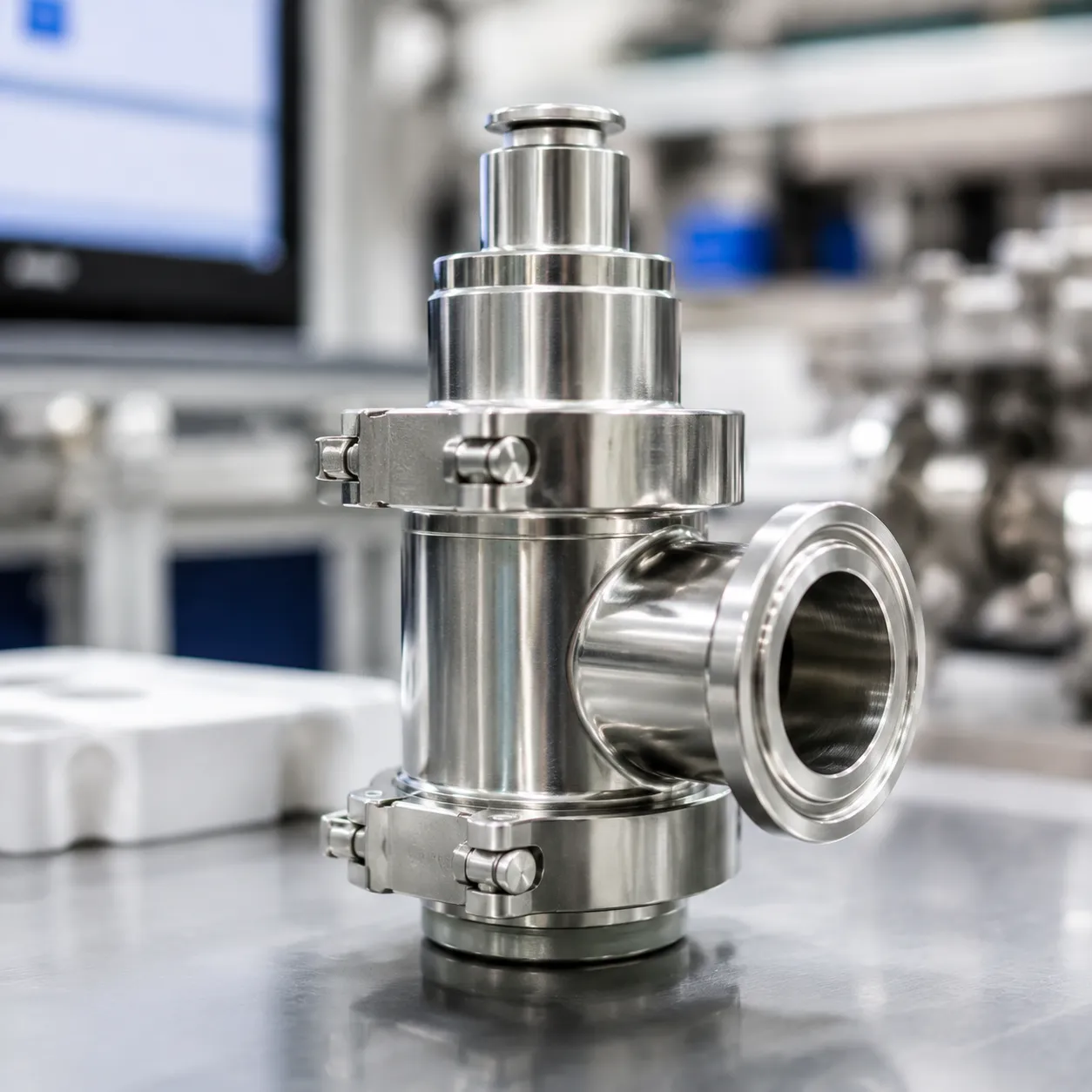
Do not use electropolishing as an assumed cure for a deep scratch, incorrect seat geometry or an inaccessible burr. Define the permitted edge break and the method for checking cross-hole intersections and seal-entry edges. If additional blending or polishing is proposed, agree the geometry and acceptance limits first.
Specify Surface Texture and Dimensions After Treatment
- Surface texture: identify the required parameter, limit, checking locations and measurement method. A single Ra target should not be assigned automatically to every passage or seal interface.
- Finished size: state whether dimensions apply before or after treatment. Check valve seats, bores, threads and seal grooves against the final drawing requirements.
- Treated areas: identify internal and external surfaces, masking requirements and areas that must remain untreated.
- Acceptance evidence: agree the required inspection report, treatment record and any application-specific tests.
Do not assume a fixed percentage reduction in Ra or a universal removal depth. Proposed treatment allowance and achievable finish need confirmation for the actual geometry and initial surface. Check the completed part rather than relying on visual brightness.
Electropolishing, Mechanical Polishing and Passivation
Electropolishing, mechanical polishing and chemical passivation describe different processes. Specify the required route instead of treating their names as interchangeable. Where more than one operation is proposed, confirm sequence, surface condition and dimensional acceptance after the final operation.
For a quotation, use an area-marked drawing and state the required process or allow a proposed route for approval. See our drawing-based 316L filling valve bodies and stainless steel material requirements.
Cleaning and Corrosion Require Application Validation
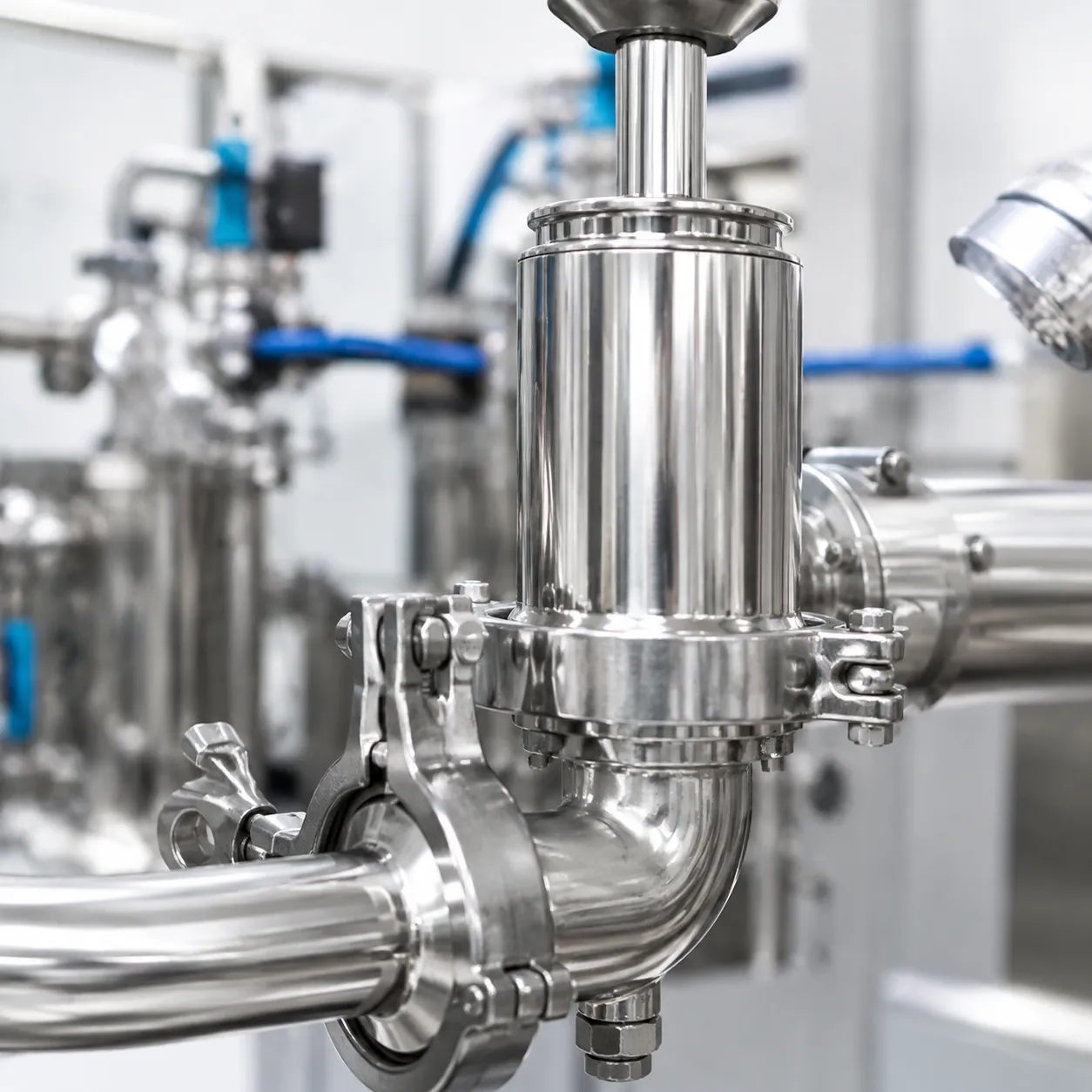
Surface treatment does not by itself establish a sterile product path, prevent biofilm, guarantee zero leakage or determine cleaning-cycle duration. Product properties, passage geometry, seals, cleaning chemistry, temperature and the complete equipment arrangement all need application review.
EHEDG explains that its equipment test methods do not establish performance for every specific application; the food manufacturer remains responsible for a suitable cleaning regime. A machined or electropolished component is not automatically EHEDG-certified. No FDA or ASME BPE compliance is implied by the treatment name.
RFQ and Inspection Checklist
- Approved 2D drawing and 3D model, revision and mating-interface information.
- Exact stainless grade, stock condition and any material-document requirement.
- Product-contact areas, cleaning conditions and the specified finishing route.
- Final dimensions, datums, surface-texture checking locations and edge requirements.
- Quantity, delivery destination and required inspection evidence.
Material certificates, heat traceability and EN 10204 3.1 documents are not included by default; request them so availability can be confirmed for the selected stock and order. Review our drawing-based inspection scope and send drawings for a quote. Equipment function and cleaning performance require validation by the equipment owner.
Technical References
- worldstainless: Surface treatment — process background.
- EHEDG: Test methods — scope and application limitations.