
Overview
What Are UHMW-PE Guide Rails and Wear Strips?
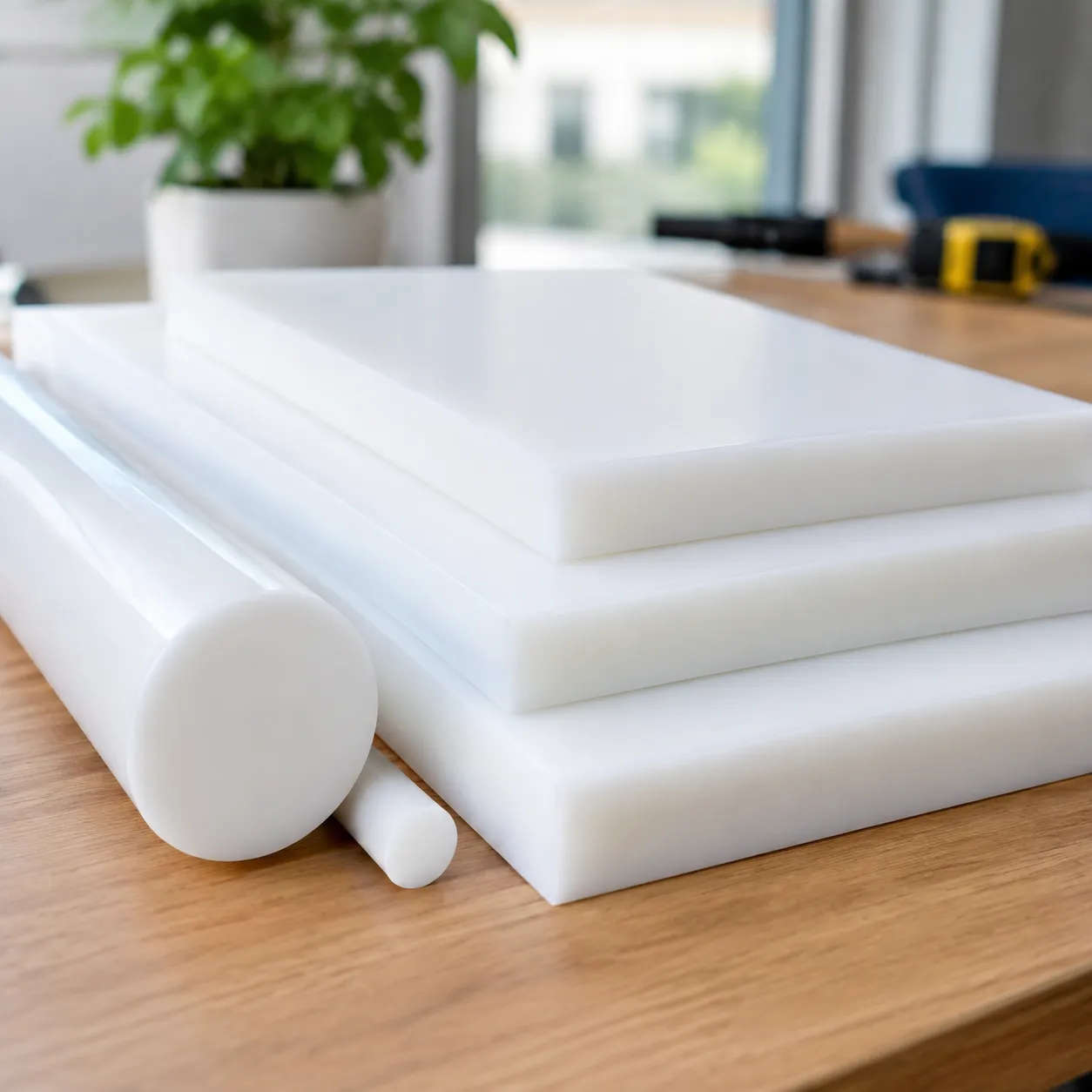
UHMW-PE guide rails and wear strips are high-performance, low-friction components designed to protect conveyor systems, route product flows, and prevent premature equipment degradation. They provide a replaceable sliding or guiding surface. Wear life, friction and noise depend on the material grade, mating surface, load, speed and installation. ZSCNC reviews custom-machined rails and strips for conveyor OEMs and equipment maintenance teams against supplied drawings.
Definition and Material Composition of UHMW-PE
UHMW-PE is ultra-high molecular weight polyethylene, an engineering thermoplastic used for sliding and wear components. It combines low moisture absorption, low friction and impact resistance. These properties do not remove the need to check creep, thermal expansion, contact pressure and operating temperature for the selected grade.
Role of Guide Rails and Wear Strips in Conveyor Systems
In automated handling systems, UHMW-PE components function as essential chain guides and reliable conveyor belt support structures. A correctly selected and mounted strip can separate moving components from the supporting metal frame. Inspect wear and alignment as part of the conveyor maintenance plan.
Primary functions include:
Friction Mitigation: Reduces drive motor strain and energy consumption.
Product Alignment: Keeps containers, boxes, and raw items securely in line to prevent jams.
Vibration Control: Absorbs mechanical chatter for quieter, smoother plant operations.
Food-Contact Grade and Documentation Requirements
Food-contact suitability applies to a specific material grade and intended use, not to every UHMW-PE rail. Tell us the destination market, food type, contact time, temperature and cleaning conditions. Any required supplier declaration or traceability documentation must be identified and its availability confirmed before the material is ordered. A food-grade material designation does not certify the complete conveyor or make the finished part antibacterial.
Key Benefits of UHMW-PE for Food Conveyors
Ultra-high molecular weight polyethylene (UHMW-PE) is the industry benchmark for UHMW-PE guide rails & wear strips for food conveyors. Its properties can be useful for sliding and guiding duties when the grade and installation match the application.
| Key UHMW-PE Property | Conveyor Performance Impact |
|---|---|
| High Impact & Abrasion Resistance | Provides a replaceable wear surface; inspect for grooving and damage |
| Self-Lubricating (Low Friction) | Reduces line drag, motor strain, and product tipping |
| Low Moisture Absorption | Limits moisture-related dimensional change; thermal movement and cleaning still require review |
| Chemical Compatibility | Check the specific chemical, concentration, temperature and exposure time |
Exceptional Wear and Abrasion Resistance
UHMW-PE is a candidate for sliding wear duties. Comparisons with metals or other plastics require representative wear conditions rather than a universal service-life claim.
- Extended Equipment Life: Check contact pressure, debris and the mating surface when selecting a grade for chains or containers.
- Reduced Downtime: Plan replacement intervals from actual wear observations.
- Component Protection: Acts as a sacrificial lining that preserves expensive stainless steel conveyor frames and drive chains.
For another wear-component application, see pet food wear tracks. Material and surface-treatment selection depends on the actual abrasive load.
Low Coefficient of Friction for Smooth Operation
The self-lubricating surface of UHMW-PE can reduce sliding drag when paired with a suitable mating surface.
- Energy Savings: Assess any energy benefit under the actual conveyor load and speed.
- Smooth Container Transfer: Rail geometry, clearance and alignment influence container transfer and scuffing.
- Noise Reduction: Softens metal-on-plastic contact, creating a quieter operating environment for plant staff.
Cleaning and Moisture Considerations
Low moisture absorption is useful in wet environments, but it does not prevent bacterial growth or remove the need for cleaning. Inspect scratches, joints, fastener recesses and worn areas where residue can collect. Check the selected grade against the cleaner concentration, cleaning temperature and exposure time. Do not assume ordinary UHMW-PE is suitable for steam cleaning or every CIP cycle.
Common Types and Profiles of UHMW-PE Wear Strips

Every food processing conveyor line demands specific profiles to keep production moving without jams or excessive friction. We review custom-machined UHMW-PE profiles against the required frame, chain or belt geometry. Profile examples below illustrate possible arrangements; they are not a stocked catalogue or a promise that every shape can be supplied.
Flat and Curved Wear Strips
Flat wear strips provide essential conveyor belt support on straight runs, bearing the continuous friction of moving belts and heavy product loads. Curved wear strips are engineered for corner tracks and turns, preventing lateral drag and keeping modular belts tracking smoothly around bends.
- Flat Strips: Ideal for bed lining, straight slider beds, and under-chain support.
- Curved Tracks: Machined to a drawing-defined radius, subject to stock size and installation review.
Channel and T-Guide Profiles
Channel and T-guide profiles offer direct tracking for roller chains and plastic modular belts. These self-lubricating chain guides can provide an interface over metal frame edges; retention, clearance and wear must be checked.
| Profile Type | Ideal Use Case | Key Advantage |
|---|---|---|
| C-Channel / U-Channel | Fits directly over flat bar stock or sheet metal edges | Quick clip-on installation and edge protection |
| T-Guide | Interlocking track for guided chains and belts | Defines a guiding interface; clearance and alignment remain important |
Snap-On and Belt Guide Profiles
Snap-on designs need a matching support section and a retention method suitable for the load and cleaning cycle. Supply the mating rail dimensions before requesting a replacement. For related component types, see wear parts.
Custom Machined Components
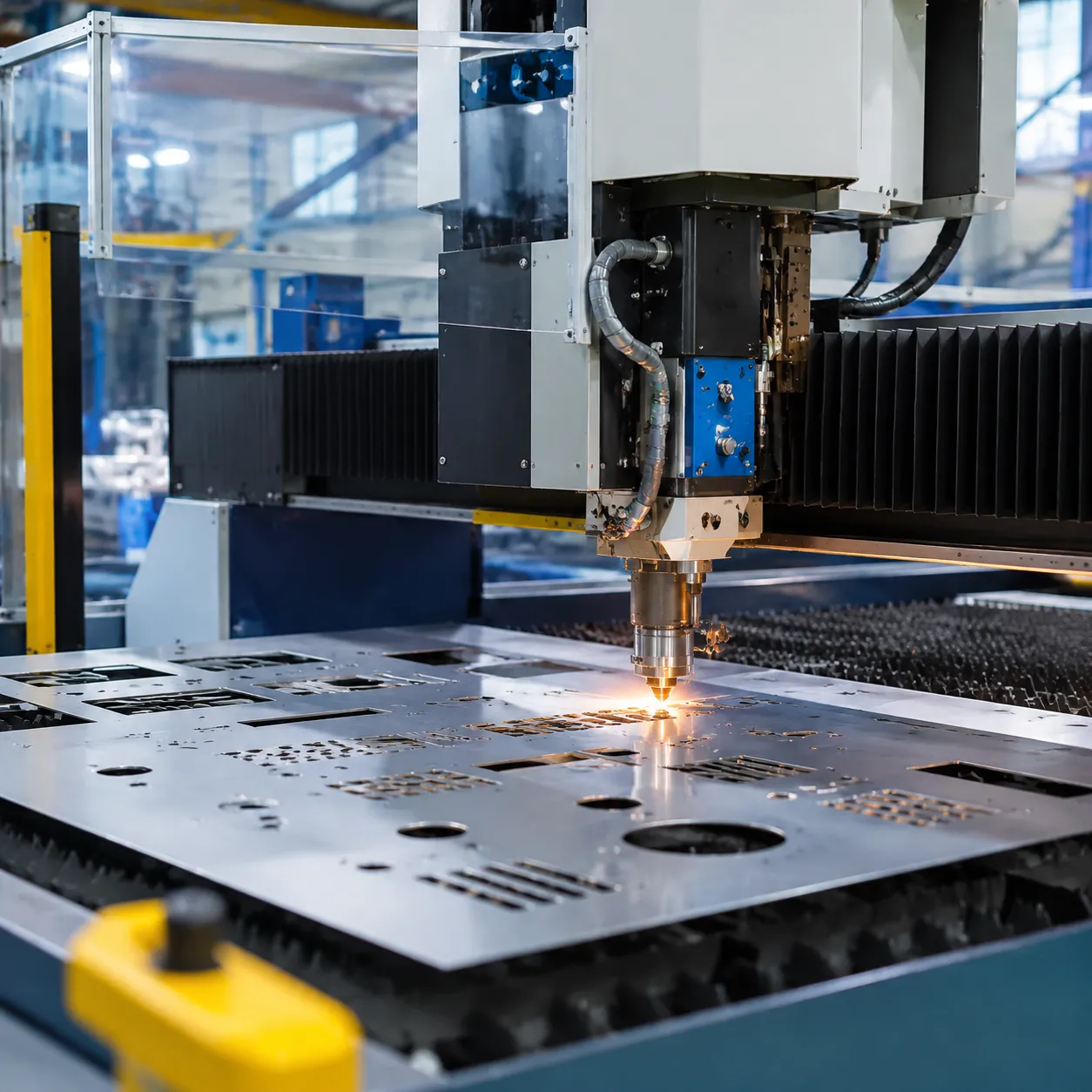
Standard shapes do not always fit proprietary conveyor layouts. We produce custom profiles by CNC machining after reviewing the drawing, material stock and critical dimensions.
- Tailored Geometries: Complex dovetail grooves, multi-channel tracks, and variable-radius curves.
- Specialty Materials: If a named or detectable grade is required, specify its manufacturer and exact designation. Sourcing, documentation and detection requirements must be reviewed before quotation.
Applications in Food and Beverage Conveying
UHMW-PE guide rails and wear strips are used in food and beverage conveyors for sliding support and product guidance. The examples below are application contexts, not verified ZSCNC customer installations or performance guarantees.
Bottling and Canning Lines
High-speed container operations require smooth, low-friction line guidance to prevent tipping, jamming, and container scuffing:
- Container Care: Protects delicate glass bottles, aluminum cans, and PET containers from scratching and damage.
- Noise Reduction: Dampens line chatter and mechanical vibration for a quieter operating environment.
- Continuous Throughput: Maintains stable container movement across high-speed accumulation and transfer zones in demanding beverage processing industry applications.
Meat, Poultry, and Seafood Processing
Protein processing lines require a review of washdown conditions, food contact and mounting details:
- Sanitary Compliance: Confirm the specific grade and food-contact documentation needed for the intended use.
- Washdown Resistant: Check chemical compatibility and the full cleaning temperature cycle; steam compatibility must not be assumed.
- Heavy-Load Support: Delivers durable chain guides and wear protection for raw product lines in the meat processing industry.
Bakery and Packaging Operations
Bakery lines and automated packaging systems require clean, low-maintenance components that keep products moving without sticking:
- Non-Stick Performance: Assess sticking and residue accumulation with the actual conveyed product.
- Reduced Chain Friction: Minimizes drive motor strain and chain wear on long accumulation conveyors and cartoning machinery.
- Precision Guidance: Maintains accurate product alignment through wrapping, sealing, and case-packing equipment.
UHMW-PE vs. Other Conveyor Plastics
Choosing the right material for your conveyor line directly impacts equipment uptime, maintenance frequency, and belt lifespan. While several engineering thermoplastics are used in food processing, ultra-high molecular weight polyethylene offers a distinct performance advantage for high-wear sliding applications. Here is how it compares to other popular materials used for food conveyor wear parts.
UHMW-PE vs. HDPE
Both are polyethylene materials. UHMW-PE is commonly considered for demanding sliding wear duties; HDPE may suit simpler spacers or less demanding parts. Compare the actual grades, geometry and operating conditions rather than assuming a fixed wear-life multiple.
UHMW-PE vs. Acetal (POM)
POM offers stiffness and dimensional stability that may be useful for accurately located guides. UHMW-PE may suit impact and sliding wear duties, but creep and thermal movement need attention. Review chemical compatibility for either material. See our UHMW-PE material information for related machining considerations.
UHMW-PE vs. Nylon
Nylon can offer useful strength and temperature capability, while moisture conditioning can affect its dimensions. UHMW-PE has low moisture absorption, but still moves with temperature and can deform under sustained load. Use the supplier data for the selected grade and conditioning state.
Quick Material Comparison
| Selection issue | What to compare |
|---|---|
| Sliding wear | Grade, mating surface, abrasive debris, pressure and speed |
| Dimensional fit | Thermal expansion, moisture conditioning, stiffness and creep |
| Cleaning | Chemical concentration, temperature and exposure time |
| Food contact | Exact grade declaration and intended-use restrictions |
Selection Criteria and Technical Specifications
Selecting the right UHMW-PE guide rails and wear strips for food conveyors requires balancing line speeds, load requirements, and thermal conditions. These details support material selection, machining review and installation planning.
Load, Speed, and Temperature Considerations
Use the data sheet for the selected grade. A single temperature range or friction coefficient cannot represent every rail and duty cycle.
- Load and speed: Supply contact load, belt or chain speed, duty cycle and mating material so frictional heating and deformation can be reviewed.
- Thermal movement: Supply rail length and the operating and cleaning temperature range. Expansion clearance and mounting slots must be defined for the installation.
- Creep and support: Review unsupported spans, fastener spacing and sustained pressure; low moisture absorption does not guarantee dimensional accuracy under load.
Sizing and Mounting Options
Proper mounting keeps your wear strips flat and secure under heavy continuous loads:
- Profile Types: Choose standard flat strips, curved tracks, snap-on profiles, or metal-backed channel guides based on your conveyor belt support structure.
- Secure Fastening: Utilize specialized stainless steel mounting brackets or metal C-channels to hold wear strips firmly in place while allowing natural thermal movement.
- Expansion Allowance: Define fixed and sliding locations, slots and expansion gaps with the equipment designer. Check that fasteners stay below the wear surface and do not obstruct the belt or chain.
Custom Fabrication and Ordering Requirements
When standard chain guides or wear profiles do not fit the line layout, custom CNC machining can be reviewed against the required geometry:
- Custom Profiles: We machine complex geometries, curved turn tracks, and custom guides directly from your CAD drawings.
- Specialized Material Grades: Specify the exact grade, colour and food-contact or detectability requirements; availability and required documentation are confirmed during review.
- Ordering Details: Provide conveyor speed, load, cleaning conditions and mating frame dimensions. Identify critical fits and inspection dimensions; replacement fit must be checked against the drawing and assembly.
Request a Quote for Custom UHMW-PE Rails and Wear Strips
Send a 2D drawing and, where available, a STEP model through our drawing quotation page. Please include:
- Company name, equipment type and whether this is a new design or replacement.
- Cross-section, overall length, curve radius, holes, slots, tolerances and mating dimensions.
- Material grade, colour and any required material documentation.
- Operating load, speed, temperature and cleaning conditions.
- Sample quantity, expected batch quantity, repeat requirements and requested delivery date.
Samples for OEM validation and repeat-production requirements can both be reviewed. Machining feasibility, inspection scope and lead time are confirmed against the project details.